World news and discussion on TalkFuse.
Trump will face reporters after historic Xi-Putin talks as war questions linger
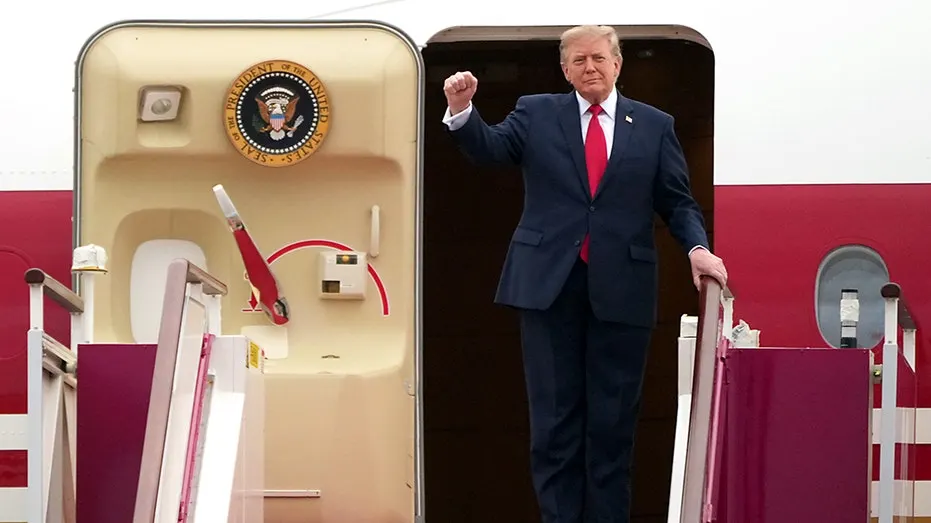
Donald Trump is due to face reporters at the White House after a visit to China that included the first trilateral talks between the US, China and Russia. The meeting brought him together with Xi Jinping and Vladimir Putin, and matters because the countries have sharply competing interests over Ukraine, nuclear arms and global security.
The leaders issued a joint declaration supporting dialogue on reducing nuclear risks, stable energy supplies and United Nations reform, but announced no major breakthroughs on Ukraine or Iran. Trump said he had discussed the Ukraine war with Putin and expressed optimism, though the declaration included no peace initiative; the talks also took place after the New START nuclear treaty expired.
In short
- Trump is set to brief reporters after talks with Xi and Putin.
- The leaders’ declaration made no mention of Ukraine.
- Nuclear risk reduction was among the stated areas for dialogue.
Steelman: both sides, in good faith
The strongest fair case each way — we don't pick a winner.
The case for
Supporters could argue that bringing the US, China and Russia together creates a channel for direct discussion among leaders whose countries have major influence over war and nuclear risks. Even without an immediate agreement on Ukraine, dialogue on nuclear risk, energy and international institutions may help build trust and make later progress more possible.
The case against
Critics could argue that the meeting produced broad statements but no concrete steps on Ukraine, despite the war’s urgency and Trump’s expressed optimism. With the New START treaty expired and no replacement or peace initiative announced, high-level talks may offer little practical reassurance about nuclear risks or an end to the conflict.
Explained simply
The United States, China and Russia are major powers whose decisions affect security and trade around the world. Their leaders are Donald Trump, Xi Jinping and Vladimir Putin; they have different interests and influence over conflicts, nuclear weapons and international institutions.
The war in Ukraine has involved Russia since its full-scale invasion in 2022, and the United States and other countries have supported Ukraine. Nuclear arms agreements have also helped limit risks between the US and Russia, so changes to those arrangements matter beyond the two countries.
Europe Geopolitics Government Politics World