World news and discussion on TalkFuse.
Meloni warns of need for dedicated EU envoy to avoid ‘condemning Europe to irrelevance’ in peace talks
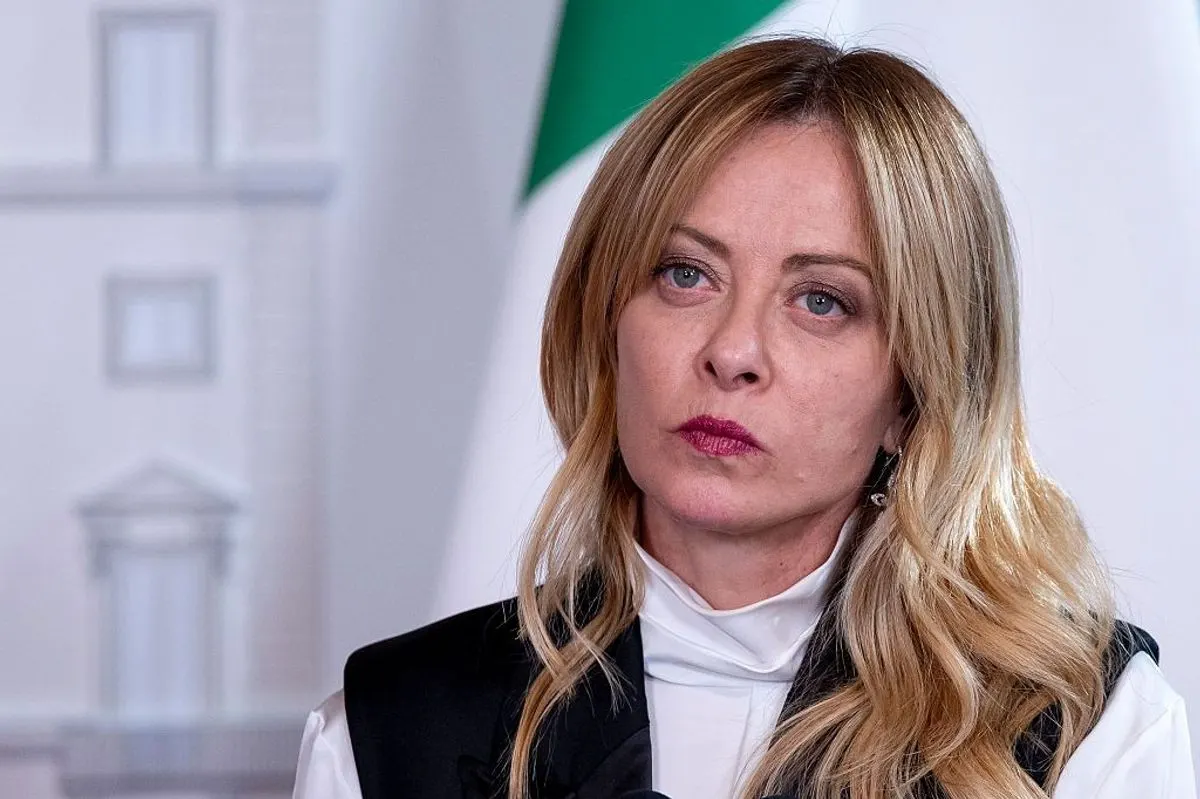
Italian Prime Minister Giorgia Meloni has urged European Council President Antonio Costa to appoint a dedicated EU envoy for Ukraine peace talks. She warned that competing diplomatic initiatives risk weakening Europe’s influence and credibility, and argued that European countries need a unified mandate to speak with one voice.
Meloni’s letter, circulated on 5 November, cited recent meetings in Miami, Oslo and Brussels, as well as a call with Russian President Vladimir Putin by Finland’s Alexander Stubb and Norway’s Jonas Gahr Støre. The next trilateral talks involving Ukraine, Russia and the United States are scheduled for 10–11 November in Abu Dhabi. Meloni asked Costa to raise the envoy proposal at an EU leaders’ meeting on 13 November, with a formal decision by December that could also involve the UK, Norway and other non-EU countries.
In short
- Meloni wants the EU to appoint a dedicated envoy for Ukraine peace talks.
- She says fragmented diplomacy could undermine Europe’s influence.
- She proposed discussing the role in November and formalising it by December.
Steelman: both sides, in good faith
The strongest fair case each way — we don't pick a winner.
The case for
A dedicated envoy could give Europe a clear mandate and a consistent voice in negotiations that may shape its security, while reducing the risk that separate national initiatives undermine one another. Acting together could make European positions easier for other parties to understand and strengthen Europe’s credibility, including if the envoy coordinates with the UK, Norway and other partners.
The case against
Creating an envoy could add another diplomatic channel without ensuring that the parties to the talks would give Europe meaningful influence. A single representative might also constrain national leaders’ flexibility or make it harder to reflect differences among European countries; close coordination through existing leaders and institutions could be a more practical way to contribute.