Technology news and discussion on TalkFuse.
AI demand drives DRAM revenue up 369 per cent as supply tightens
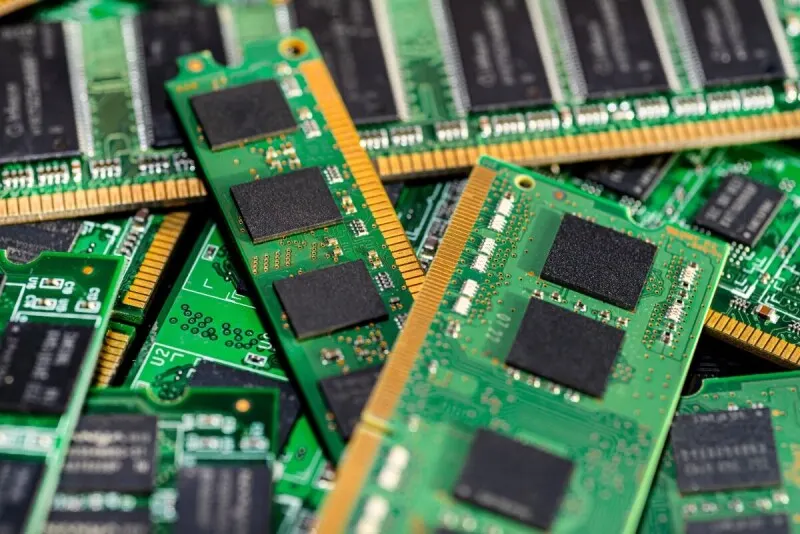
DRAM revenue rose 369 per cent year on year in the third quarter of 2026, as demand from data centres and AI accelerators pushed up prices and left buyers competing for limited supply. The surge matters because manufacturers are directing capacity towards more profitable server memory, tightening availability for PCs and smartphones and contributing to higher prices for those devices.
Bit shipments increased by about 4 per cent, while average DRAM prices reached $1.90 per gigabit and industry revenue approached $200 billion. Samsung held 38 per cent of DRAM revenue; SK hynix reported stronger growth, while Micron’s DRAM revenue grew more slowly. Counterpoint expects prices to remain high next year, with shortages potentially lasting until 2030 and major new factories not due to begin production until 2028.
In short
- DRAM revenue jumped 369 per cent year on year.
- AI and data centre demand are tightening supply.
- Memory shortages could persist until 2030.
Steelman: both sides, in good faith
The strongest fair case each way — we don't pick a winner.
The case for
The boom reflects real demand for memory to run AI systems and data centres, and higher prices can help manufacturers fund the factories and equipment needed to expand supply. Prioritising server memory may be commercially sensible while it earns more and serves customers building computing capacity that businesses increasingly rely on.
The case against
When manufacturers shift capacity towards higher-margin server memory, PC and smartphone makers face tighter supply and consumers may pay more for everyday devices. A market increasingly shaped by a small number of suppliers and very large AI buyers may leave other customers with less choice and make shortages and price rises harder to avoid.
Explained simply
DRAM is the short-term memory that computers use while running programmes. It is found in PCs and smartphones, as well as in the servers that power data centres; AI accelerators, which process artificial intelligence tasks, also rely on large amounts of it.
Samsung, SK hynix and Micron are the main companies making DRAM. As data centres and AI systems buy more server memory, manufacturers are shifting production towards those orders, leaving less capacity for other devices.
This matters because tighter supply can raise memory costs for computer and phone makers, which may feed through to prices for buyers. Building factories takes years, so new production capacity may not arrive quickly.
Read the full article at the source →
Originally published by The Register as “Memory makers mint megabucks while buyers beg for mercy”.