World news and discussion on TalkFuse.
Review finds Met Police has failed to tackle deep-rooted misconduct since 2023
Developed over time first seen 10 hours ago
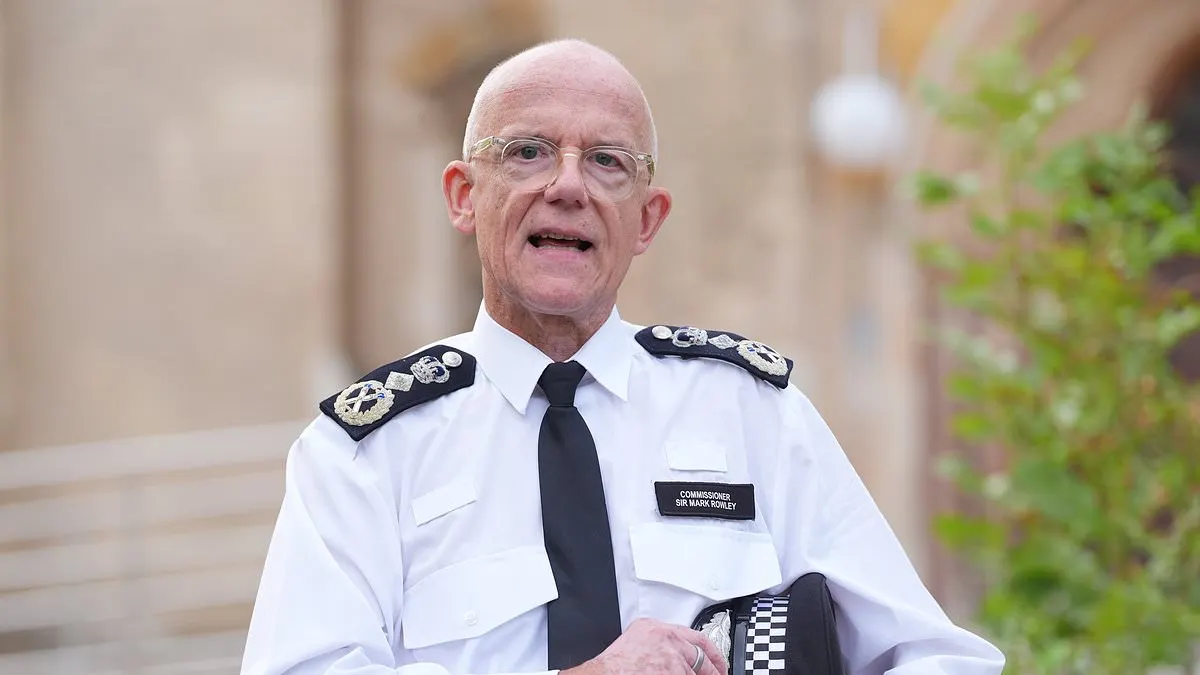
A review by Dr Gillian Fairfield says the Metropolitan Police has made no good progress in any area since the Casey report exposed deep-rooted racism, misogyny and homophobia in 2023. It warns that further scandals are highly likely and concludes that the force’s fundamental problems remain.
The review highlights concerns about racism, investigative failures, victim blaming and bereaved families being misled, as well as predatory behaviour towards women. It makes ten recommendations, including stronger leadership and treating victims as people rather than cases. Commissioner Sir Mark Rowley says standards and performance have improved, but rejects the description of the Met as institutionally racist.
- Sources
- 2
- Outlets
- 2
- Left · Centre · Right
- 0 · 0 · 2
In short
- Review says the Met has made no good progress since 2023.
- Ten recommendations address misconduct and how victims are treated.
- Sir Mark Rowley disputes the label of institutional racism.
How this story developed
- 12 minutes ago The review’s findings were restated as a new assessment, with the Met saying standards and performance had improved and Commissioner Sir Mark Rowley rejecting the label “institutional racism”.
- 6 hours ago Dr Gillian Fairfield’s review said the Met had made no good progress in any area, and recommended stronger leadership and treating victims as people rather than cases.
- 8 hours ago A review found the Metropolitan Police had made insufficient progress on racism, misogyny and homophobia since 2023, warning that deep-rooted problems could lead to further scandals despite 1,800 officers being dismissed for misconduct.
Full account
A review of progress at the Metropolitan Police has concluded that deep-rooted problems identified in 2023 remain. Dr Gillian Fairfield’s assessment says the force has not made “good progress” against any of the 16 culture-related targets set after Baroness Casey’s inquiry, and that institutional racism, misogyny and homophobia persist. It warns that further scandals are highly likely unless the Met changes its culture.
The review describes continuing concerns among women in London and within the force about misogyny and predatory behaviour. It says confidence among LGBT+ communities remains low, while the Met still struggles to recognise racism as an institutional problem. Dr Fairfield criticises what she calls institutional defensiveness: a tendency to emphasise positive developments, treat failings as belonging to the past or attribute misconduct to a few individuals. She says some progress has been made, but the force’s foundations are not yet secure.
The report also focuses on how victims and families are treated. Relatives of people killed have raised concerns about investigations, including accounts of officers appearing to mislead them or dismiss their challenges. The review cites shortcomings in homicide inquiries, including weak professional curiosity, assumptions, limited empathy and insufficient supervision. It says errors persist in domestic abuse investigations, including cases involving abuse perpetrated by police, while noting improvements in the handling of rape cases.
The Met has dismissed about 1,800 officers for misconduct, and the review says systems for identifying misconduct have improved. However, it found that many staff remain reluctant to report bullying or other wrongdoing: nearly half of those surveyed who said they had been bullied had not reported it, often because they feared retaliation. Concerns about behaviour in custody, first exposed at Charing Cross police station, may extend beyond that station. The review makes ten recommendations, including stronger leadership on racism and a redesign of victim care. Commissioner Sir Mark Rowley has accepted the findings and acknowledged that predatory officers still need to be rooted out.
Where outlets differ
From the full account, which is AI-written from the sources:
The first report gives greater prominence to the Met’s failure to confront racism and misogyny, its institutional defensiveness and concerns that women may be targeted by predatory officers. The second supplies more detail on the review’s 16 targets, reporting fears among staff, homicide investigation shortcomings and the finding of progress in rape investigations. Both report the central conclusion that systemic problems persist and that further scandals are likely.
Steelman: both sides, in good faith
The strongest fair case each way — we don't pick a winner.
The case for
The review’s findings support the case that the Met has not yet made the deep organisational changes needed to prevent misconduct and protect the public. Concerns about investigative failures, victim blaming and treatment of bereaved families suggest that the problem may extend beyond individual officers, making stronger leadership and accountability necessary.
The case against
The Met’s position is that standards and performance have improved, and the review’s assessment may not capture all progress made since 2023. Rejecting the label “institutional racism” can reflect a concern that broad terms obscure differences between teams and individuals; reform may be better guided by specific evidence, measurable shortcomings and targeted action.
Explained simply
The Metropolitan Police, often called the Met, is the force responsible for policing Greater London. It is led by a commissioner and overseen by senior officers and public authorities, and its work includes investigating serious crime and supporting victims and bereaved families.
In 2023, a report identified deep-rooted problems including racism, misogyny and homophobia within the force. Dr Gillian Fairfield’s review considers whether the Met has acted on those findings, including how investigations are handled and how victims and families are treated.
The issues matter because public trust affects whether people feel able to report crime and rely on the police. The Met says its standards and performance have improved, while Commissioner Sir Mark Rowley disputes describing the force as institutionally racist.
Coverage · 2 sources
Bias meters
From 2 rated sources.
Read the full article at the source →
Originally published by Daily Mail as “Met Police ‘is still rife with racism, misogyny and homophobia’ three years after Couzens report”.