Culture news and discussion on TalkFuse.
Meta Takes $2.4 Billion Charge for Legal Proceedings in Q2, Revenue Booms 28% to Over $60 Billion
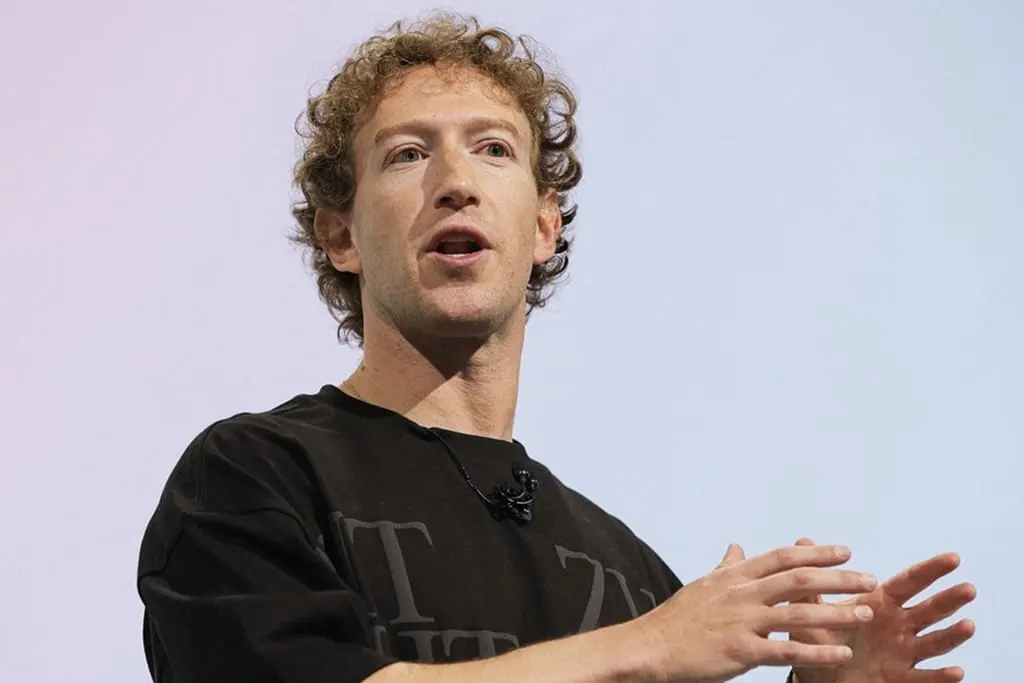
Meta reported soaring second-quarter 2026 revenue but took a significant hit from legal charges and layoff-related costs, highlighting the tension between its booming core business and mounting regulatory pressures. The company, which owns Facebook and Instagram, said the results were dented by a $2.4 billion charge tied to unspecified legal proceedings, with CFO Susan Li warning that ongoing scrutiny of youth-related issues could lead to a "material loss" from several US trials scheduled this year.
Meta posted revenue of $60.8 billion for the quarter, up 28% year-on-year, though net income fell 14% to $15.85 billion, with earnings per share of $6.18, missing Wall Street's forecast because of the legal and severance charges. It also booked $1.18 billion in severance costs from May's layoff of roughly 8,000 staff as part of its pivot towards artificial intelligence. Looking ahead, Meta forecast Q3 revenue of $61-64 billion and narrowed its 2026 capital spending guidance to $130-145 billion, up sharply from $72.2 billion in 2025, as it ramps up AI infrastructure investment — including a newly announced $10 billion data centre venture with BlackRock in El Paso, Texas.
In short
- Meta Q2 revenue jumped 28% to $60.8 billion despite legal setbacks
- $2.4 billion legal charge and $1.18 billion severance costs hurt profit
- Meta boosts 2026 AI capex forecast to $130-145 billion
Steelman: both sides, in good faith
The strongest fair case each way — we don't pick a winner.
The case for
Meta can argue that the legal charge reflects prudent recognition of real risks while its strong revenue growth shows its core business remains resilient. It may say that investing heavily in AI infrastructure and restructuring its workforce are necessary to compete and support future products, even when these choices bring short-term costs.
The case against
Critics can argue that the legal charge and warnings about youth-related trials point to serious consequences from the company’s past choices, with potential costs extending beyond this quarter. They may also question whether sharply higher AI spending and large-scale layoffs are justified when the returns remain uncertain and employees bear immediate costs.
Explained simply
Meta is the company behind Facebook and Instagram, two of the world's largest social media platforms. Its main business is selling advertising to companies that want to reach users on these services.
The company faces mounting legal challenges related to concerns about how its platforms affect young people, particularly around privacy, mental health and safety. Multiple lawsuits are ongoing in the United States and other countries, and regulators are scrutinising whether stronger restrictions on youth access and data collection are needed.
Meta is investing heavily in artificial intelligence, viewing it as central to its future competitiveness. This requires substantial spending on computing infrastructure and data centres, which represents a significant shift in how the company allocates its resources and capital.
Art Business Companies Culture