Micah Parsons says Jayden Daniels ‘probably cost’ Dan Quinn his Commanders head coach job after Week 5 tie
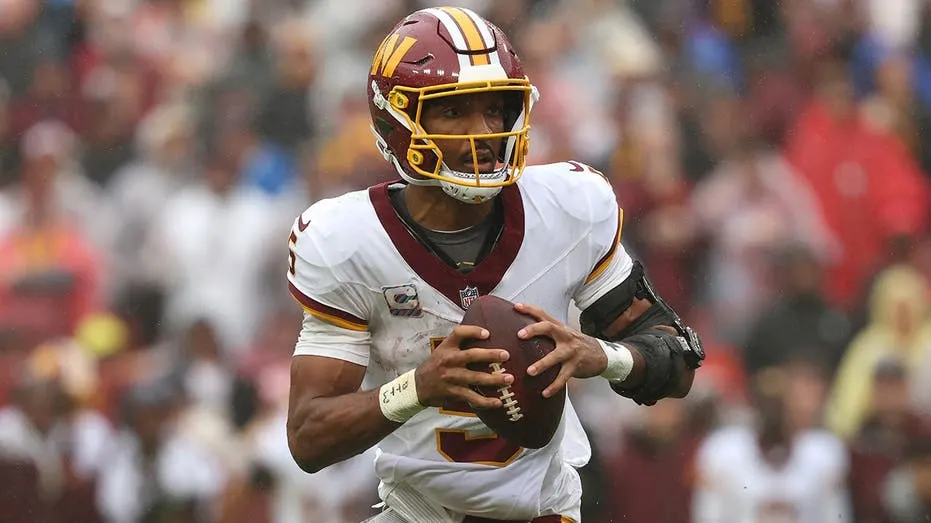
The Washington Commanders drew 27-27 with the New York Giants after Jayden Daniels was sacked in field goal range as overtime expired, ending their chance to win. Green Bay Packers defensive end Micah Parsons said the decision may have cost head coach Dan Quinn his job, adding to questions about Quinn’s position after a poor start to the season.
The Giants had given Washington an opportunity when running back Cam Skattebo fumbled, and New York kicker Dominic Zvada had missed three field goals, including a 46-yard attempt in overtime. Daniels, playing his first game back after dislocating his left elbow, ran for 103 yards and two touchdowns and completed 17 of 25 passes for 199 yards. Parsons argued that Daniels should have thrown the ball away, while the article notes that the wider coaching staff and team have also been blamed for the ending.
- Washington and New York tied 27-27 after an overtime sack.
- Micah Parsons said Daniels’ decision could cost Dan Quinn his job.
- Daniels returned from injury and ran for 103 yards and two touchdowns.
New here? Start with this
The Washington Commanders are an American football team in the NFL, where games can go to overtime if the scores are level at the end of normal time. Dan Quinn is the team’s head coach, responsible for leading the coaching staff and overseeing decisions during games.
Jayden Daniels is Washington’s quarterback, the player who leads the offence and handles most passing plays. Micah Parsons is a defensive end for the Green Bay Packers, a rival NFL team; his comments are an outside view of the Commanders’ performance.
A coach’s job can come under scrutiny when a team struggles, but the outcome of one play may be judged alongside the team’s wider results and decisions. The way a close game ends can also shape debate about how players and coaches manage pressure.
Both sides, in good faith
The strongest fair case each way — we don't pick a winner.
The case for
Parsons’s criticism has merit because Daniels still had a chance to preserve a winning attempt: throwing the ball away could have allowed Washington to try a field goal instead of letting overtime expire in a sack. A head coach is accountable for late-game execution, and repeated costly decisions amid a poor start can reasonably intensify scrutiny of Quinn’s job.
The case against
One play should not determine a coach’s future, particularly when Daniels was returning from an elbow injury and had otherwise made a major contribution to the game. The ending also reflected broader team and coaching decisions, while the Giants’ mistakes had given Washington opportunities; judging Quinn fairly means weighing the season as a whole rather than assigning the draw to Daniels alone.