World news and discussion on TalkFuse.
MICHAEL RUIZ: Lindsay Clancy scores ‘little win,’ but appeal could ‘unravel’ future trials, retired judge says
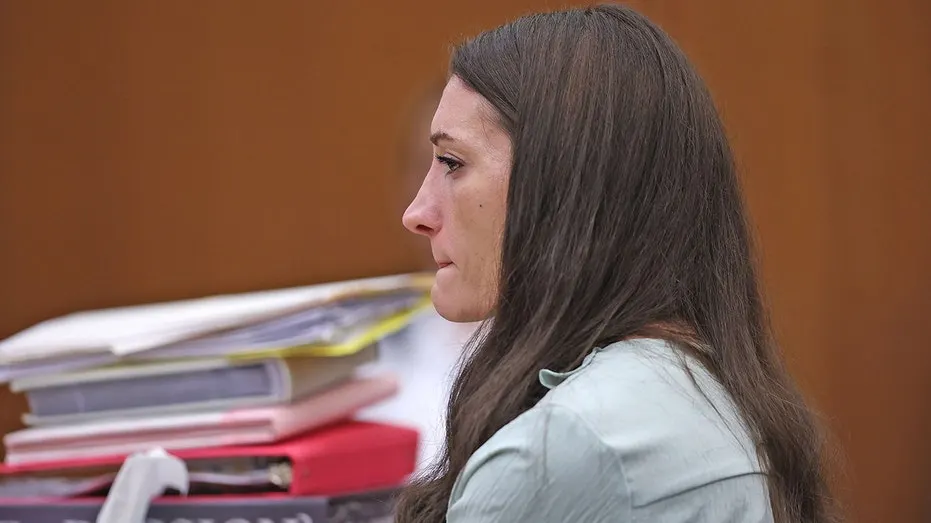
Lindsay Clancy’s appeal over the handling of a deadlocked jury has been referred to Massachusetts’ Supreme Judicial Court, a procedural gain for her defence. A retired judge called it a “small win”, while warning that the appeal’s outcome could affect how courts handle complaints about jurors in future trials.
Clancy’s first trial ended in a hung jury on 4 September after a week of deliberations, with one juror voting to convict. Her lawyers argue that the holdout should have been replaced by an alternate after the foreperson said he was not applying the reasonable doubt standard; the trial judge rejected the request and found there was a “manifest necessity” for a mistrial. The full court has set briefing deadlines for next month and oral arguments for January, while jury selection for the retrial is scheduled to start on 29 March.
In short
- Clancy’s appeal has been referred to Massachusetts’ highest court.
- Her first trial ended in a hung jury after one juror held out.
- The retrial is scheduled to begin with jury selection on 29 March.
Steelman: both sides, in good faith
The strongest fair case each way — we don't pick a winner.
The case for
The defence can argue that a juror who says they are not applying the reasonable doubt standard may be unable to follow the court’s instructions, and that replacing the juror with an alternate could have allowed the trial to reach a verdict. Supreme Judicial Court review offers a chance to clarify how judges should respond to such concerns and may help protect defendants’ right to a fair trial.
The case against
The trial judge heard the request and concluded that the circumstances required a mistrial, rather than replacing the holdout; that decision can be defended as preserving the integrity of deliberations and avoiding pressure on a juror because of their view of the evidence. A ruling that permits substitution in these circumstances could create difficult precedents for future cases, including disputes over whether a juror’s stated reasoning justifies replacement.
Explained simply
Lindsay Clancy is a Massachusetts woman charged with killing her three young children. She has pleaded not guilty, and the case is being heard in the state’s criminal courts.
In a jury trial, all jurors must agree on a verdict. If they cannot reach agreement, the judge may declare a mistrial, meaning the case can be tried again. An alternate juror is selected in advance to replace a juror who cannot continue.
Clancy’s lawyers and prosecutors disagree over whether a juror’s comments justified replacing him during deliberations. The case matters beyond Clancy because the court’s decision may help define how judges respond to concerns about jurors in other trials.