Micron, the trillion-dollar memory company, refused to replace a crucial drive for current market value until Reddit got mad
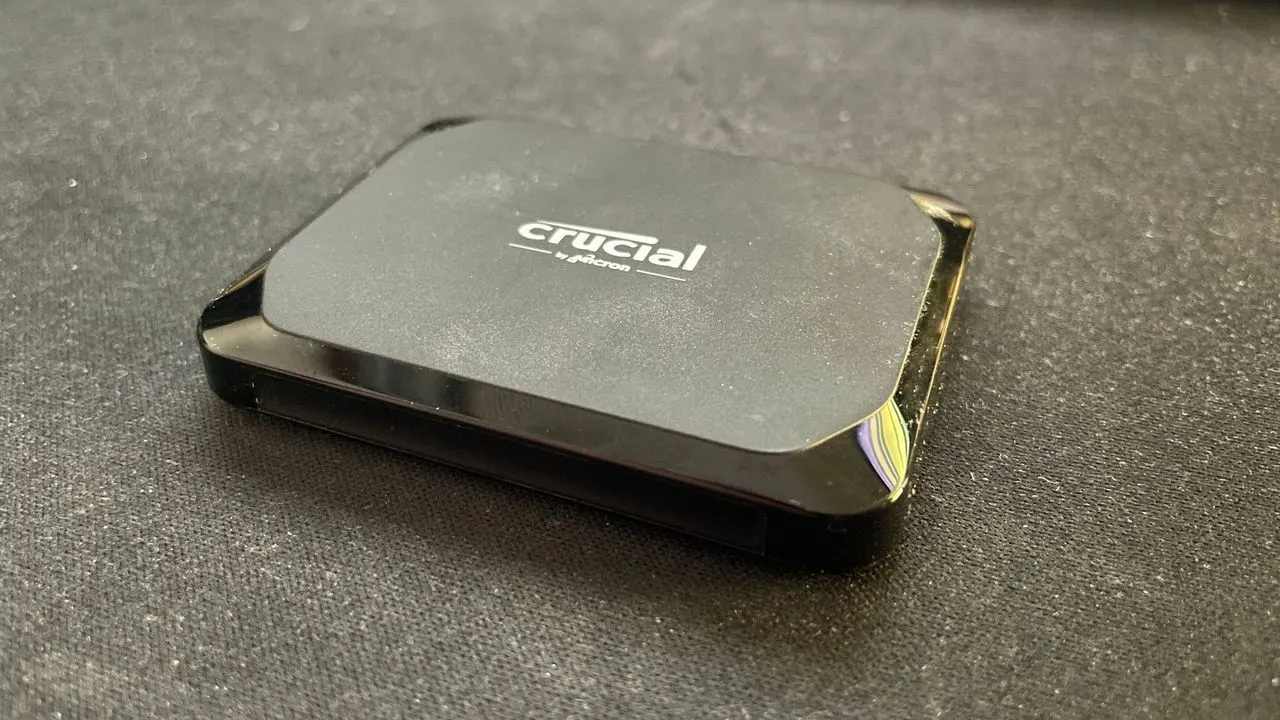
Micron initially declined to replace a failed 4TB Crucial SSD under warranty, instead offering its owner a refund based on the original purchase price. After the complaint gained attention on Reddit, the company reportedly changed course and offered a replacement, highlighting how shortages and rising storage prices can weaken the practical value of a warranty.
The customer said they had paid about $200 for the drive, while comparable 4TB SSDs now cost more than $800. Micron’s warranty terms allow it to choose repair, replacement, credit or a refund based on the lower of the original price and fair market value; critics argued that this left the owner unable to buy an equivalent replacement during the current price surge.
- Reddit attention reportedly secured a replacement SSD.
- Original-price refunds can fall far below replacement costs.
- The dispute exposes warranty risks during storage shortages.
New here? Start with this
Micron is a major maker of computer memory and storage, and Crucial is its consumer brand for products such as solid-state drives (SSDs). An SSD stores files and software without moving parts; a warranty sets out what a company will do if a product fails within the covered period.
Warranty terms can allow a company to repair a failed product, replace it or offer money or credit instead. If storage prices rise sharply after someone buys a drive, a refund based on the old purchase price may not cover the cost of buying an equivalent one, raising questions about what a warranty is worth in practice.
Both sides, in good faith
The strongest fair case each way — we don't pick a winner.
The case for
A warranty should provide genuine protection when most needed, yet offering £200 when replacement now costs £800 leaves the customer unable to actually restore their system. During commodity price surges, warranty terms that only reimburse original purchase price effectively abandon customers precisely when they need coverage most. That Micron—a trillion-dollar corporation—felt compelled to reverse course only after public pressure suggests the company recognised the practice was fundamentally unjust.
The case against
Warranty terms were explicit and agreed to before purchase, allowing refunds at the lower of original or fair market value. Requiring replacement at current market prices during spikes would be financially unsustainable and set perverse incentives—effectively asking companies to absorb massive losses when commodity prices spike. The customer received years of functional use from the drive; that replacing it now costs more reflects market conditions beyond the warranty's scope, and such terms are standard across industries for sound business reasons.