Microsoft-backed AI data center has been accused of violating federal law
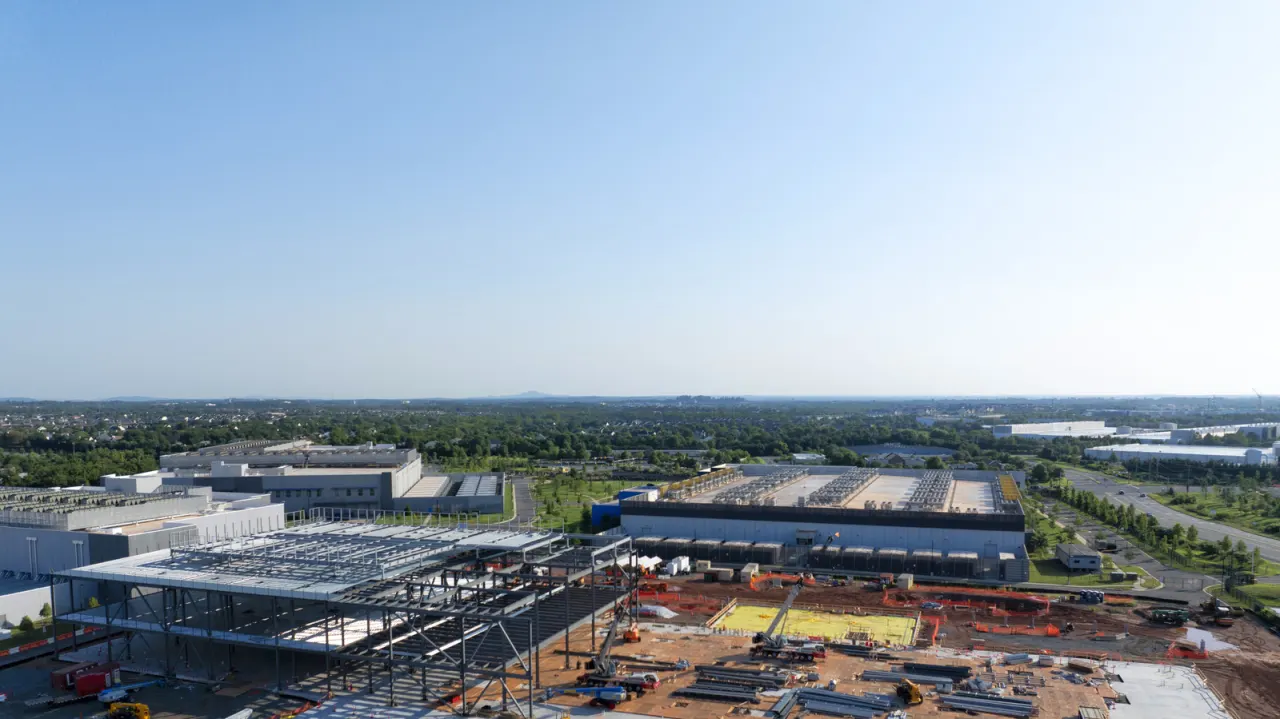
A planned AI data centre in Vineland, New Jersey, which supplies computing capacity to Microsoft through a $17 billion agreement involving Nebius, has been accused of operating large gas-powered generators without required permits. Thermal-drone footage reportedly showed at least 45 of the site’s 62 generators running at once, prompting a former Environmental Protection Agency official to say the activity could breach federal law. The allegations matter because of potential air pollution and noise impacts on nearby residents and two schools roughly a mile away.
The 2.6 million-square-foot DataOne facility is expected to be among the largest planned data centres on the US East Coast, far larger than a typical 100,000-square-foot cloud data centre. New Jersey’s Department of Environmental Protection said it had issued no generator permits and had no applications under review, while noting that it still needed to complete a compliance assessment. DataOne said it was committed to environmental and permitting requirements; the company has also faced residents’ legal action over noise and several city stop-work orders, while Microsoft and Nebius had not commented.
- DataOne is accused of operating unpermitted generators in New Jersey.
- Officials have confirmed no generator permits were issued.
- The site faces pollution, noise and local opposition concerns.
New here? Start with this
Data centres house the computer equipment and power systems that run online services and artificial intelligence. The planned Vineland facility, called DataOne, is unusually large and is linked to Microsoft through a deal with Nebius, a company that provides computing capacity.
Large data centres need substantial electricity, and some use gas-powered generators when other power is unavailable or insufficient. In the United States, air pollution rules can require permits for such equipment; New Jersey’s environmental agency oversees those requirements.
The site is near homes and two schools, so its operation has raised concerns about air pollution and noise. The dispute involves DataOne, state environmental officials and local residents, with Microsoft and Nebius connected through the computing agreement.
Both sides, in good faith
The strongest fair case each way — we don't pick a winner.
The case for
Critics argue that a project of this scale must demonstrate compliance before operating dozens of gas-powered generators, especially near homes and schools. If the reported footage is accurate and no permits exist, regulators should investigate promptly because air pollution, noise and cumulative local health effects are precisely why environmental rules apply. They contend that rapid AI expansion cannot justify shifting unassessed costs onto neighbouring communities.
The case against
The developer and its supporters could reasonably argue that the allegations remain unproven until the state completes its compliance assessment and establishes what equipment was operating, for how long, and under which rules or exemptions. Large data centres can provide valuable computing infrastructure, construction work and wider economic investment, and temporary testing or commissioning activity may not necessarily amount to unlawful operation. They would stress that companies should be held to rigorous standards, but judged on verified evidence and due process rather than drone footage or preliminary claims alone.