Microsoft hikes UK and EU Xbox prices over chip shortage
Developed over time first seen 2 months ago
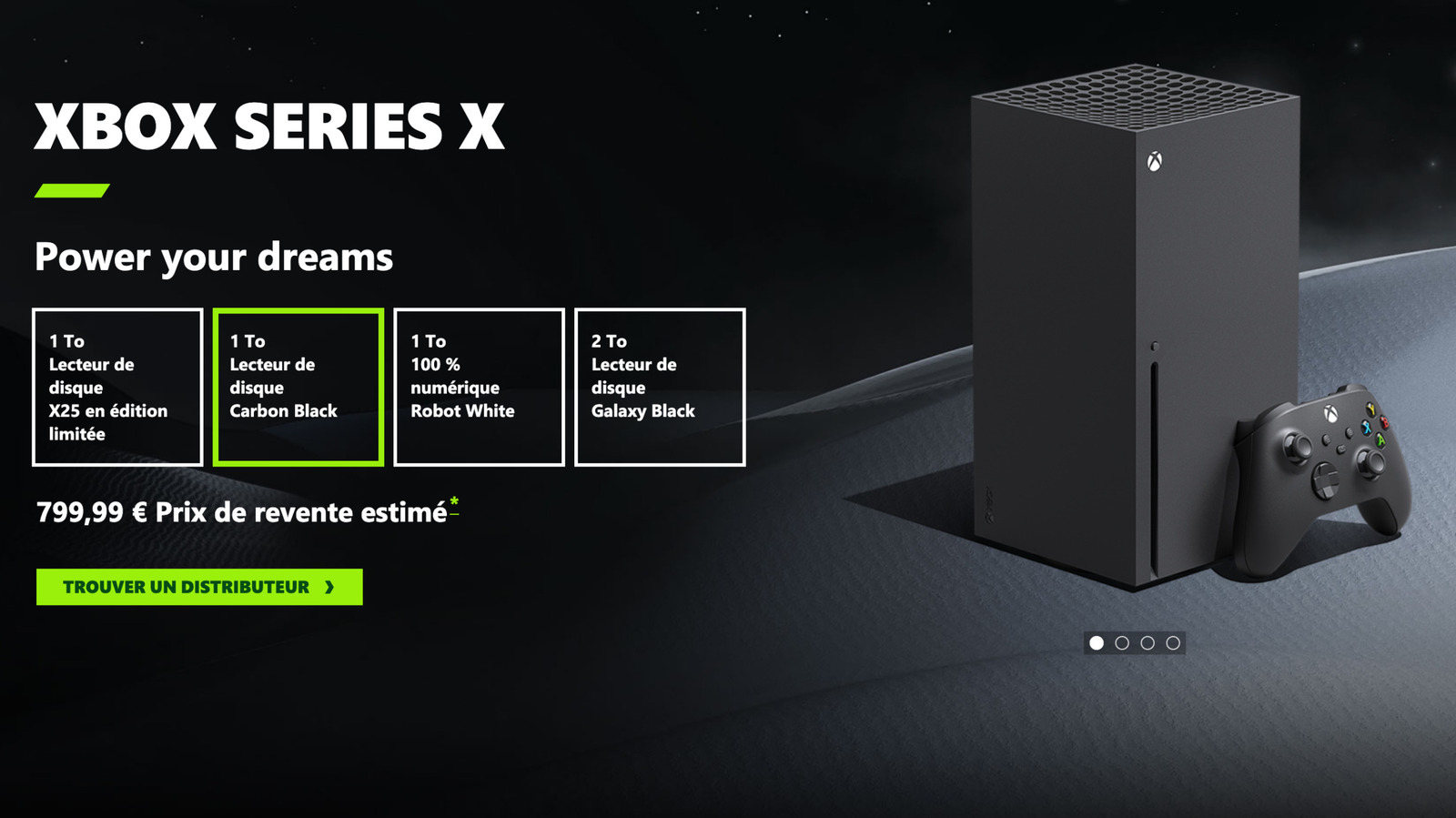
Microsoft has confirmed steep price rises for its Xbox Series S and Series X consoles across the UK and European Union, with the new prices taking effect from 1 August. The increases are notably sharper than those applied in the United States, with some models rising by as much as €200, highlighting how directly consumers are being exposed to global supply-chain pressures currently affecting the technology industry.
In the UK, the Xbox Series S now retails at £429.99, while in EU markets it costs €499.99. Microsoft attributed the rises to a worldwide shortage of memory and storage components, a squeeze it says has been worsened by artificial intelligence firms buying up semiconductor supplies at scale, driving up production costs for hardware makers across the sector.
- Microsoft raises Xbox Series S/X prices in UK and EU from 1 August
- UK Series S now £429.99; EU price €499.99
- Blamed on chip shortage worsened by AI firms' semiconductor demand
New here? Start with this
Microsoft has raised the price of its Xbox Series S and Series X consoles in the UK and European Union from 1 August, with some models rising by up to €200. Xbox is one of the three big games console brands, alongside Sony's PlayStation and Nintendo's Switch, and Microsoft sets its prices separately for different regions rather than applying one global rate.
The increases have been linked to a global shortage of the memory and storage chips used inside consoles, phones, computers and other electronics. Demand for these components has risen sharply because artificial intelligence companies are buying large quantities of semiconductors to build and run their systems, leaving less supply for other manufacturers and pushing up costs across the industry.
This matters because it shows how demand for AI technology can have knock-on effects on everyday consumer prices, even for products that have little direct connection to AI. It also highlights how the same company can charge different prices in different markets, with UK and EU customers facing steeper rises than those in the United States.
Both sides, in good faith
The strongest fair case each way — we don't pick a winner.
The case for
Microsoft's defenders would argue that hardware firms are price-takers, not price-setters, when it comes to component costs, and that a genuine global shortage of memory and storage chips, intensified by AI firms buying up semiconductor capacity, has materially raised the cost of building each console. Absorbing those costs indefinitely would squeeze margins on already thin-margin hardware, and passing some of the increase to consumers is a standard, transparent business response rather than opportunism. Regional differences in pricing can also reflect real variations in currency movements, import duties, VAT and local market conditions rather than deliberate discrimination against UK and EU buyers.
The case against
Critics would argue that a £/€200 jump lands disproportionately on UK and EU households at a time of already stretched living costs, and that the gap between the US and European increases invites reasonable questions about why the burden is being shared so unevenly. They would contend that a company of Microsoft's scale and profitability has the option to cushion loyal customers from short-term supply shocks rather than pass them on in full, and that clearer justification for the size and regional skew of the rise is owed to consumers who have few alternative console makers to turn to. For them, the episode illustrates how ordinary buyers can end up bearing the cost of industry-wide dynamics, such as AI firms' chip demand, that they have no part in and no control over.
Coverage
- Engadget — Xbox consoles are now much more expensive in the EU and UK
- Destructoid — Xbox prices in Europe are shooting up by upwards of 50 percent