Politics news and discussion on TalkFuse.
Midterm Elections: Amid The Blue Tsunami, A Night Of Many Firsts
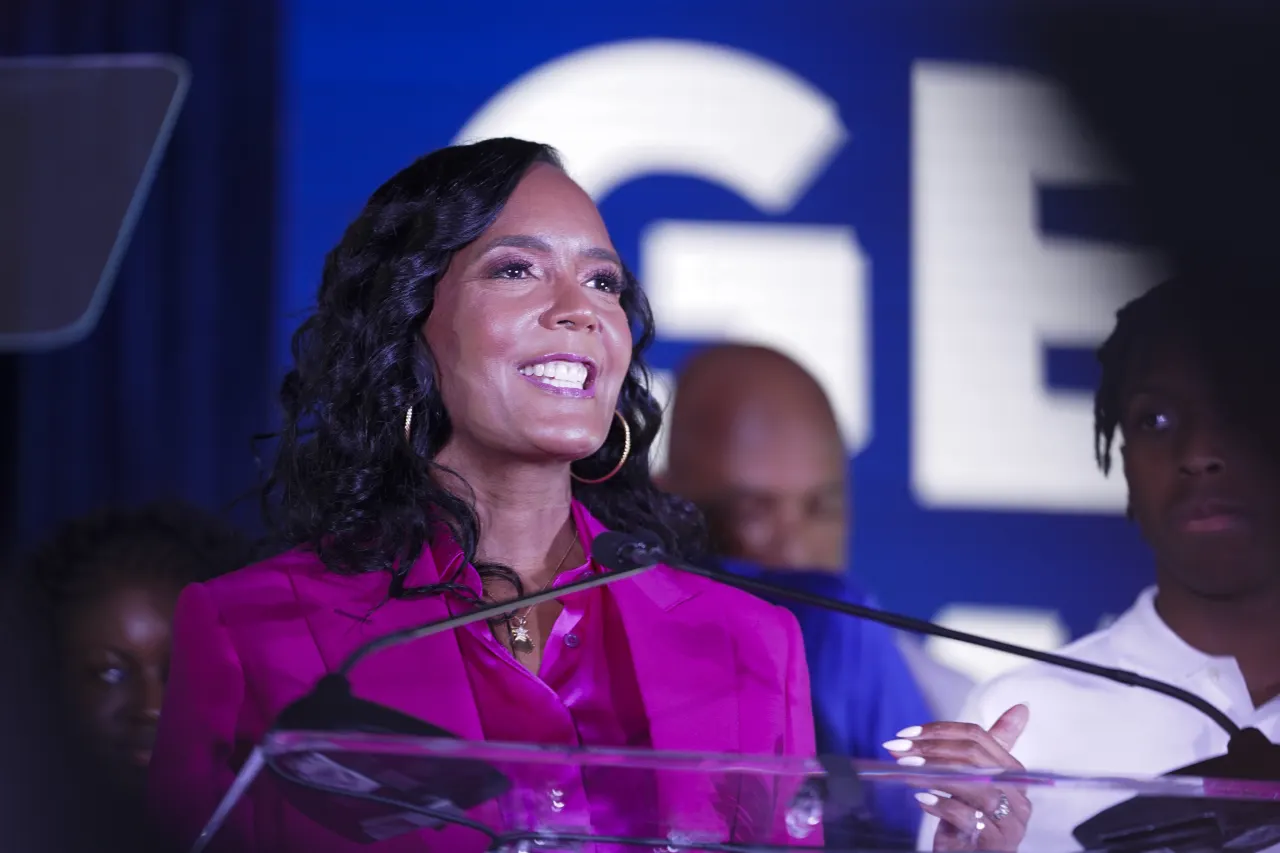
Democrats scored broad gains in the midterm elections, with votes still being counted that could give them a 75-seat House majority and at least 54 Senate seats. The results also brought a series of historic firsts, reflecting the diversity of the coalition behind the party’s victories, including wins in traditionally Republican states.
Among the Democratic winners, Xavier Becerra became California’s first Latino governor, Gina Hinojosa the first Latina governor of Texas, and David Crowley the first Black governor of Wisconsin. Amy Acton became Ohio’s first woman governor, and Annie Andrews won South Carolina’s first woman-held Senate seat; Republicans also made history, with Marsha Blackburn elected Tennessee’s first woman governor and Byron Donalds Florida’s first Black governor. Democrats also ended long gaps in Senate representation in Texas, South Carolina and Kansas.
In short
- Democrats made major gains across the ballot.
- Several states elected governors who made history.
- Democrats ended decades-long Senate gaps in three states.
Explained simply
Midterm elections take place halfway through a US president’s four-year term. Voters choose all seats in the House of Representatives and about a third of the Senate, as well as governors and other state officials; the two chambers of Congress make federal laws and oversee the president.
The House and Senate can be controlled by different parties, shaping how readily a president can pass legislation. Governors lead state governments, which make decisions on areas such as education and public services, so changes in who holds those offices affect politics at both national and state level.