Politics news and discussion on TalkFuse.
Midterms 2026: Data Centers Out, Reproductive Freedom In
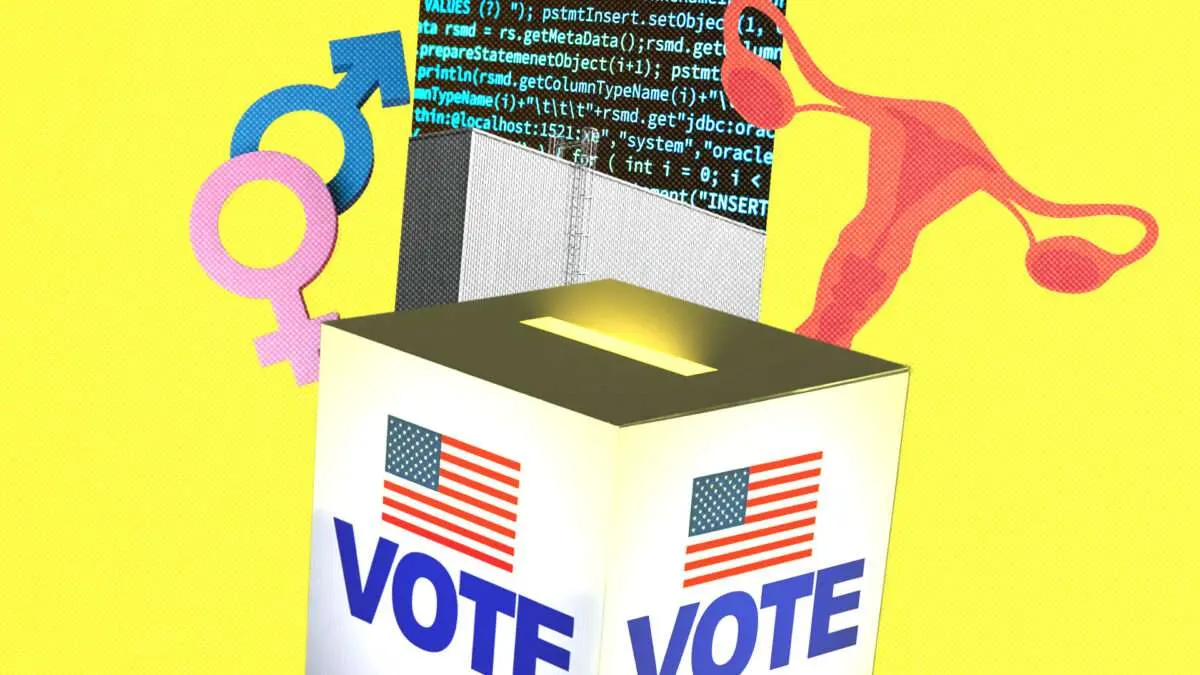
Voters in the 2026 midterms backed reproductive freedom measures in Nevada and Virginia, while Idaho rejected a broader reproductive rights proposal. Local ballots also showed strong opposition to data centre development in many communities, making technology and gender policy prominent election issues.
With 95 per cent of votes counted, Idaho Proposition 1 failed 56–44; Nevada’s abortion rights Question 6 passed with 63 per cent, and Virginia’s Question 1 passed 62–38. Missouri voters rejected an amendment that would have repealed the state’s 2024 reproductive freedom protection and added a ban on gender transition surgeries for minors. Data centre measures appeared in 10 states, including 21 in Ohio and seven in Illinois; preliminary results showed most proposals favouring or permitting data centres failed, though Wilmington, Ohio, approved rezoning for one.
In short
- Nevada and Virginia approved abortion rights measures.
- Idaho rejected a reproductive freedom proposal.
- Most local data centre proposals faced voter opposition.
Steelman: both sides, in good faith
The strongest fair case each way — we don't pick a winner.
The case for
Supporters of reproductive freedom measures argue that people should be able to make intimate medical decisions without broad government restrictions, and that constitutional protections can safeguard access amid changing laws. They may also see local control over data centre development as a way for communities to weigh jobs and investment against effects on energy, water, land use and residents’ quality of life.
The case against
Opponents of broader reproductive rights protections argue that elected lawmakers should be able to set limits reflecting moral concerns and protect unborn life, rather than have policy fixed by constitutional measures. Supporters of data centre proposals may argue that these facilities bring investment, tax revenue and infrastructure, and that careful planning can manage local impacts while enabling technology and economic growth.
Explained simply
Midterm elections take place halfway through a US president’s four-year term. Voters choose members of Congress and, depending on the state, decide ballot measures that can change state law or local planning rules.
Abortion and other reproductive rights are set by a mix of state and federal law, so protections vary across the country. Ballot measures let voters decide directly on proposed changes; they can also address gender-related healthcare, including treatment for transgender young people.
Data centres are large facilities that store and process digital information for online services, businesses and artificial intelligence. They can bring investment and jobs, but require land, electricity and water, making their location a local planning issue.