World news and discussion on TalkFuse.
MIKE DAVIS: Trump’s ballroom win highlights need for serious judicial nominees
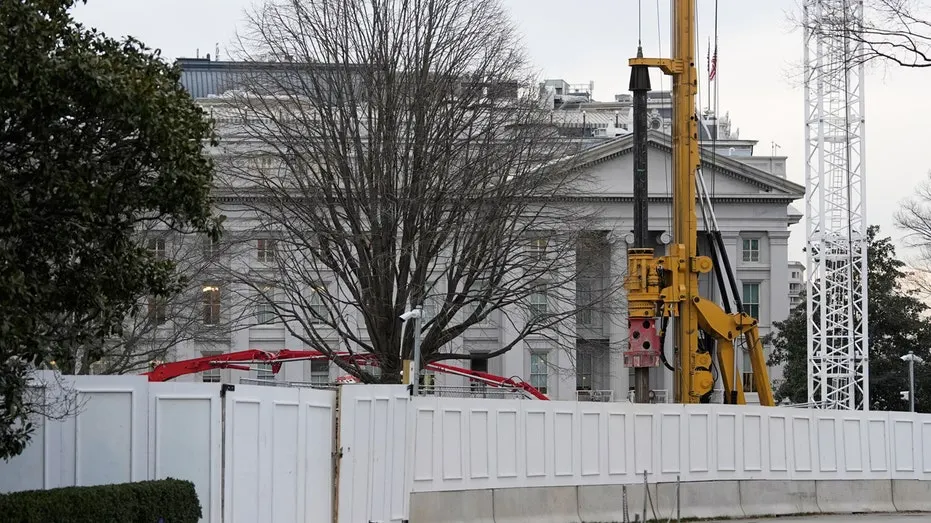
The Supreme Court has ruled 5-4 to allow construction of a new White House ballroom and underground security facility to continue, overturning a lower-court injunction that had halted above-ground work on the project. Fox News opinion writer Mike Davis argues the case underscores the importance of appointing "constitutionalist" judges, criticising the district and appeals court judges who initially sided against the Trump administration as having improperly blocked a lawful executive branch security decision.
The lawsuit was brought by Alison Hoagland, a member of the National Trust for Historic Preservation, who argued the ballroom project, which involved demolishing the White House's East Wing, was aesthetically objectionable. A DC district judge, later upheld by the DC Circuit Court of Appeals, had blocked further above-ground construction unless deemed strictly necessary for the underground facility. The Supreme Court's narrow ruling on 31 August overturned that block, with Chief Justice John Roberts dissenting alongside three other justices. The author cites recent assassination attempts against Trump, including incidents in Butler, Pennsylvania, and Florida, as justification for the enhanced security measures.
In short
- Supreme Court allows White House ballroom construction to resume, 5-4 ruling.
- Lawsuit by preservationist Alison Hoagland had sought to block the project.
- Author argues ruling shows need for more conservative judicial appointments.
Steelman: both sides, in good faith
The strongest fair case each way — we don't pick a winner.
The case for
Supporters argue that a president must be able to act quickly to protect the White House and its occupants, particularly after recent attempts on Trump’s life, and that courts should give the executive branch latitude on security decisions. They may see the Supreme Court’s ruling as a necessary correction to lower-court orders that risked delaying a project combining security infrastructure with a public-facing facility.
The case against
Critics argue that security concerns do not remove a major construction project from legal and historic-preservation review, especially when it involves demolishing part of the White House. They may contend that the lower courts were right to limit above-ground work while the project’s legal basis was examined, and that judicial independence requires scrutiny of executive claims even when national security is invoked.
Explained simply
The White House is both the US president’s home and a working government building. Its East Wing houses offices and reception rooms, and the National Trust for Historic Preservation is a non-profit group that works to protect historic places.
The Trump administration’s project involves demolishing the East Wing to build a ballroom and an underground security facility. Alison Hoagland, a National Trust member, challenged the plans in court, arguing that the above-ground construction should be stopped.
The dispute concerns how far courts can review decisions the administration presents as security measures, and how historic buildings should be protected. Mike Davis, a conservative legal commentator, says the case shows why judicial appointments matter; the judges who opposed the project and those who supported allowing it to proceed took different views of the administration’s authority.