Millions in UK brace to remortgage on worse deals as rate rise looms
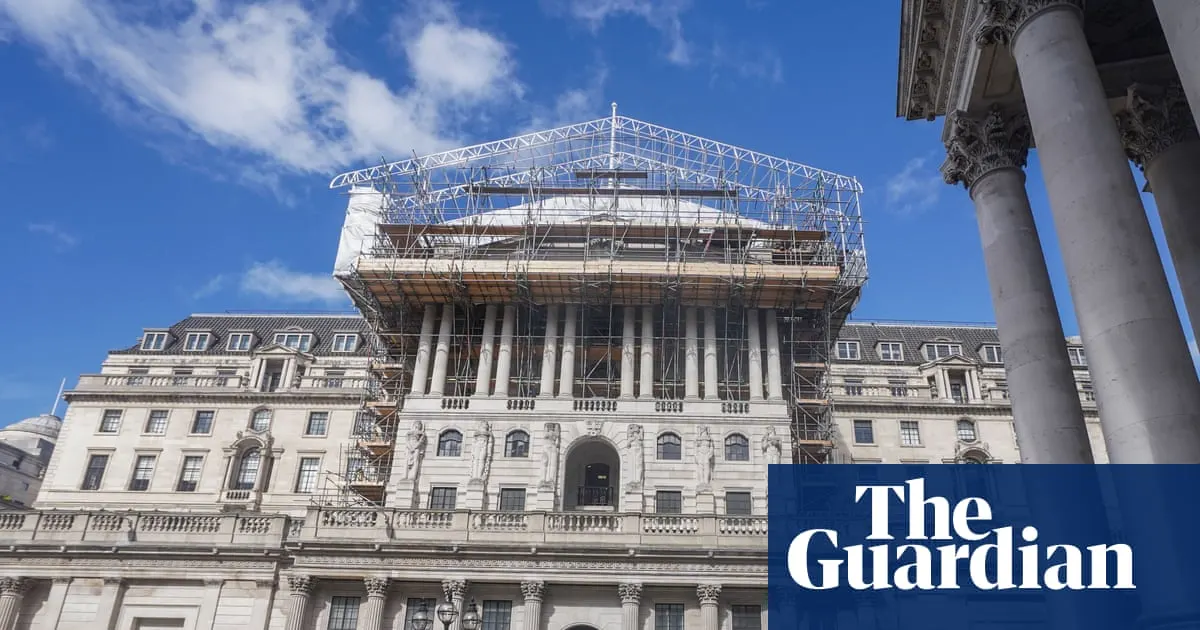
More than 2.3 million UK households are due to leave fixed-rate mortgage deals in 2027 and could face higher repayments as borrowing costs rise. The Bank of England is expected to raise its base rate this week, with further increases possible, adding pressure as household bills climb and disposable incomes weaken.
The Bank’s Monetary Policy Committee is widely expected to lift the rate from 3.75% to 4% on 5 November, after inflation reached 3.5% in September; markets anticipate as many as four quarter-point rises over the next year. UK Finance says 2.3 million households’ fixed deals end next year, while 700,000 were forecast to switch between July and December this year. The OBR expects real disposable incomes to fall by 0.6% next year, and EDF forecasts the energy price cap could rise by more than £400 in January.
In short
- 2.3 million households’ fixed-rate deals end in 2027.
- The Bank is expected to raise rates this week.
- Higher mortgage costs coincide with rising household bills.
Steelman: both sides, in good faith
The strongest fair case each way — we don't pick a winner.
The case for
Raising rates could help bring inflation under control and protect the pound’s purchasing power, which matters especially to households already facing higher bills. If price rises persist, delaying action may require sharper increases later and prolong uncertainty for borrowers, savers and businesses.
The case against
Higher rates would add to mortgage costs for households whose fixed deals are ending, at a time when energy bills are forecast to rise and real disposable incomes to fall. Critics may argue that tightening policy risks deepening financial strain and weakening spending, while the inflation outlook remains uncertain and rate rises take time to affect prices.
Explained simply
A fixed-rate mortgage keeps the interest rate, and usually the monthly payment, unchanged for an agreed period. When that deal ends, a borrower can choose a new fixed rate or move to a variable rate, which may change over time; the rate offered depends on lenders’ terms and the borrower’s circumstances.
The Bank of England sets the base rate through its Monetary Policy Committee, with the aim of keeping inflation under control. Changes to the base rate can influence mortgage costs, though lenders do not all pass them on in the same way or at the same time. Mortgage payments matter to household budgets alongside other costs, including energy bills.