Millions of barrels of Iranian oil sit beyond Trump blockade as he vows ‘zero leakage’
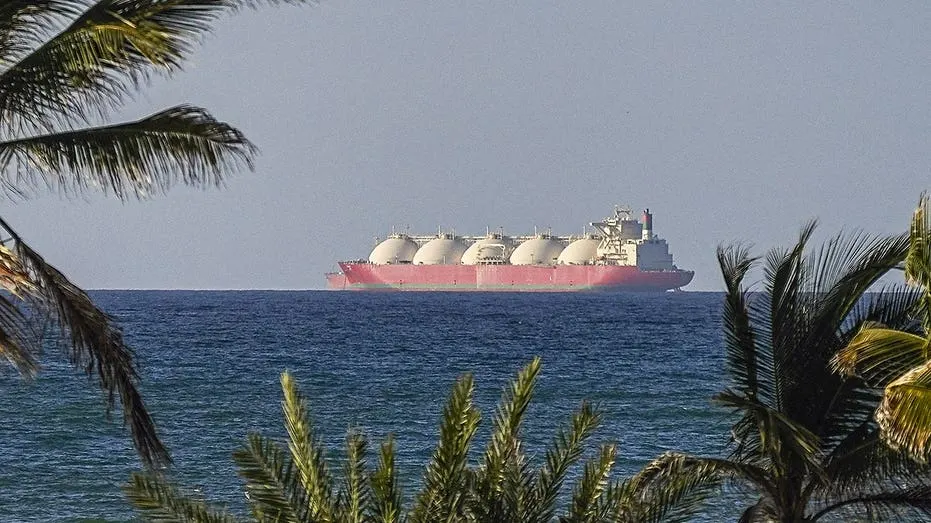
Nearly 40 million barrels of Iranian crude are reportedly stored on tankers near Malaysia, beyond a US naval blockade at the Persian Gulf. The stockpile matters because it may allow Iran to earn revenue from oil exported before the blockade tightened, testing the Trump administration’s pledge to achieve “zero leakage” and financially isolate Tehran.
The reported volume represents about 20 very large crude carriers, while Iran is estimated to hold roughly 80 million barrels in floating storage overall. Provisional data cited by Reuters indicate China’s Iranian oil imports fell from about 823,000 barrels a day in July to 534,000 this month, but ship-to-ship transfers and Chinese financial channels may still help conceal the oil’s origin and process payments.
- Iranian oil stored near Malaysia may bypass the blockade’s intended financial impact.
- China’s reported Iranian crude imports have fallen sharply.
- US policy faces a test over stopping sales of already-exported oil.
New here? Start with this
Iran relies on oil exports for revenue, but US sanctions are intended to restrict its access to buyers and money. The Trump administration has also imposed a naval blockade in the Persian Gulf as part of efforts to stop Iranian oil leaving the region.
China has been a major buyer of Iranian crude, often through ship-to-ship transfers and payment routes that can make the oil’s origin harder to trace. Tankers can also hold oil at sea, leaving it available for sale even when exports face tighter restrictions.
The issue matters because oil sales can provide Iran with funds despite sanctions and the blockade. The reported tankers near Malaysia raise questions about how much oil can still reach buyers and how effectively the United States can limit those revenues.
Both sides, in good faith
The strongest fair case each way — we don't pick a winner.
The case for
Proponents of the blockade contend that economically isolating Iran through stringent oil sanctions is a necessary and justified policy to compel Tehran to moderate its regional behaviour and nuclear activities. They argue that cutting off oil revenues removes funding streams that support proxy groups and destabilising actions, and point to declining Chinese imports as evidence the policy is creating meaningful pressure. From this perspective, sustained blockade enforcement is essential to avoid signalling weakness and to achieve concrete diplomatic concessions.
The case against
Critics argue that such a stringent blockade is ultimately impractical and counterproductive, as the reported stockpile and alternative financial channels demonstrate that determined traders readily circumvent restrictions through ship-to-ship transfers and opaque payment mechanisms. They contend that economic strangulation tends to destabilise regions, entrench hardliners, and may breach international law regarding proportionate sanctions and freedom of navigation. Rather than isolating Iran, they argue that unachievable policies undermine Western credibility and drive Iran into deeper strategic alignment with states outside the Western system.