Mini-gardens for bees on bus stop roofs approved
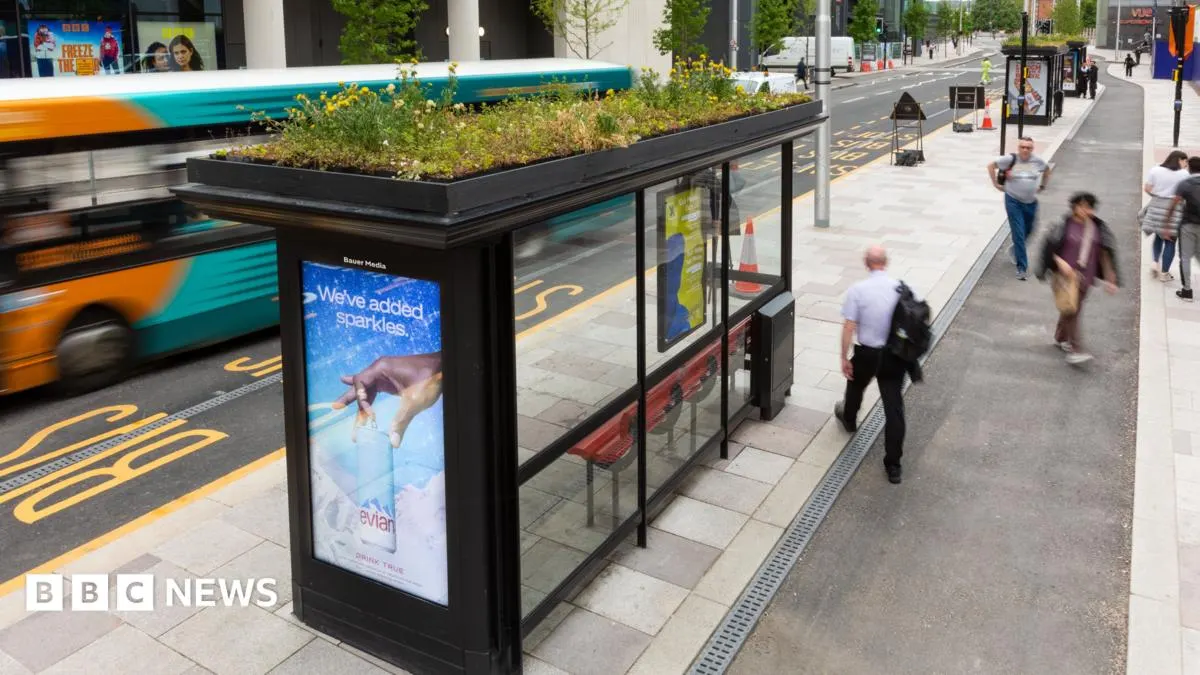
Peterborough City Council has approved plans for 34 bus stops to have planted roofs, in a bid to support bees and other pollinators and improve urban biodiversity. The changes form part of a wider plan to update the city’s bus stops, including replacing perch seats with more comfortable seating.
The council will award Bauer Media Outdoor UK a contract to manage the stops, expected to last at least 10 years with options to extend. The company will provide £140,000 in annual income from advertising sales, plus 2.5% of quarterly gross revenue; the agreement could bring the council £2.8m over 20 years. The roofs will use wildflowers and other vegetation, and more than 350 similar Living Roofs are already installed across the UK.
In short
- 34 Peterborough bus stops could get planted roofs.
- The roofs are intended to support bees and other pollinators.
- A 20-year contract could bring the council £2.8m.
Steelman: both sides, in good faith
The strongest fair case each way — we don't pick a winner.
The case for
Planted roofs could provide food and habitat for bees and other pollinators, while making bus stops a small but visible part of a broader effort to improve urban biodiversity. The council can also pair the environmental change with better seating and advertising income, using an established approach already used at other UK stops.
The case against
The benefits of 34 small roofs may be limited compared with wider habitat measures, so the council should weigh their ecological impact against the costs and practical demands of upkeep over a long contract. Advertising revenue and improved seating may make the scheme attractive, but residents could reasonably ask whether the agreement offers good long-term value and whether other improvements would deliver more for the city.
Americas Environment Science World