McFadden backs Burnham’s proposed pension triple lock reform from 2030
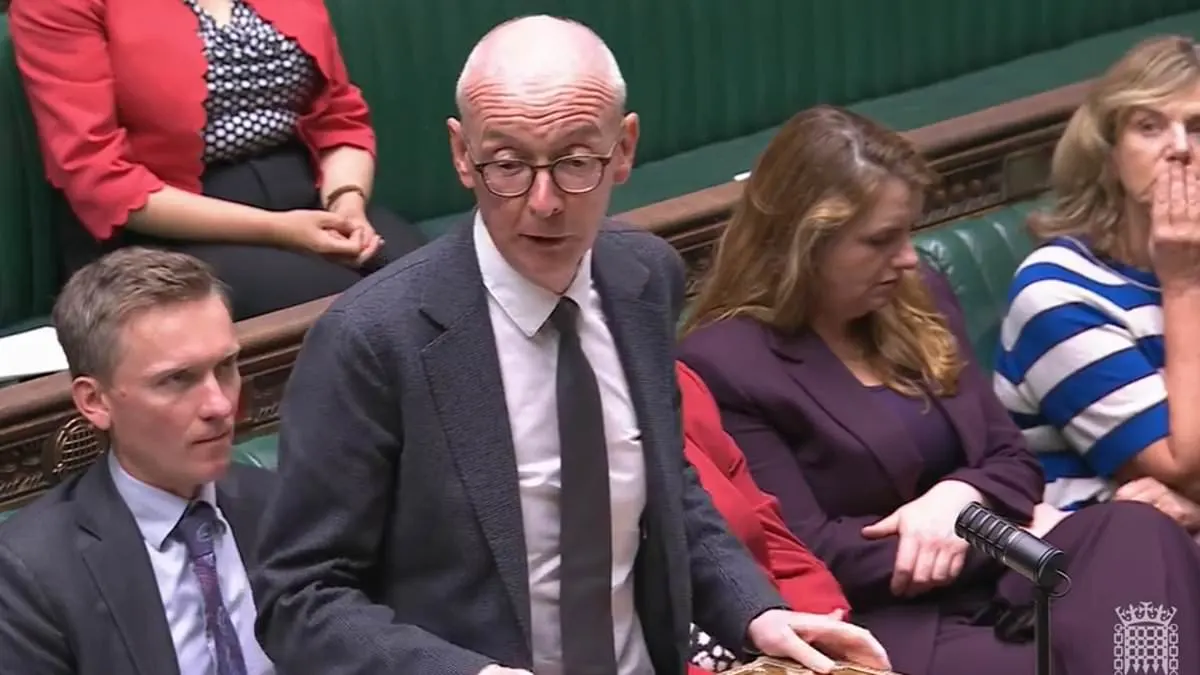
Pat McFadden has defended Andy Burnham’s proposal to weaken the state pension triple lock from 2030, saying reform is inevitable and the plan would curb pension spending. Burnham says the savings could help fund a national social care service, while the Conservatives warn the policy could provoke a backlash and be reversed, as they say happened with changes to winter fuel payments.
Under the current triple lock, pensions rise each year by whichever is highest: inflation, average earnings growth or 2.5 per cent. The proposed change would link pensions to a proportion of average incomes, with ministers estimating it could save £15 billion a year; Burnham has ruled out implementing it before the next election. The Conservatives argue those savings would fall short of the care service’s reported potential cost of £18 billion a year, while the Government says pensioner poverty is expected to fall and has asked the Pensions Commission to recommend further support for poorer pensioners.
- Ministers defend weakening the triple lock from 2030.
- The plan is projected to save £15 billion a year.
- Conservatives say it risks a reversal like winter fuel changes.
New here? Start with this
State pensions are the income most British people rely on after retirement. For over a decade, pensions have been guaranteed to rise each year by whichever is highest: inflation, wage growth, or 2.5 per cent. This system, known as the triple lock, ensures pensioners' income keeps pace with the cost of living.
The Government is proposing to change this system from 2030, with support from Pat McFadden and Andy Burnham. Instead of the triple lock, pension increases would be linked to average earnings at a lower level. Ministers say this would save roughly £15 billion annually, which they intend to use to fund a new national social care service.
Pensions matter to millions of British people, so changes to the system are significant. The Conservatives have questioned the proposal, arguing it would not save enough for the care service. The Government says the reform is necessary.
Both sides, in good faith
The strongest fair case each way — we don't pick a winner.
The case for
The triple lock's escalating cost is unsustainable and reform is inevitable; acting now with a 2030 implementation allows planned transition rather than emergency action. The proposed change would free £15 billion annually for social care, a crucial service need, whilst Government estimates suggest pensioner poverty will actually fall. To protect the most vulnerable, the Government is asking the Pensions Commission to recommend additional support for poorer pensioners, ensuring the reform does not harm those who cannot afford it.
The case against
The proposed savings of £15 billion fall short of the social care service's estimated £18 billion annual cost, making it an inadequate funding solution to the problem the Government claims justifies weakening pensions. The triple lock represents a commitment to pensioners who have built their retirement planning around it; breaking this commitment breaches trust and removes a valued certainty. Recent history with winter fuel allowance changes shows such reforms can be reversed when they become unpopular, suggesting this policy lacks genuine staying power and could become a source of political instability rather than long-term reform.
Business Cricket Government Markets Politics Sport World
Read the full article at the source →
Originally published by Daily Mail as “Minister defends Burnham plan to slash state pension triple lock as Tories warn it will be another winter fuel payments disaster”.