Minister for Oblivious… bungling Stephen Flynn didn’t know about ferry’s methane gas leak
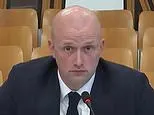
Scotland's Transport Secretary, Stephen Flynn, has faced sharp criticism after admitting he was unaware of a serious methane gas leak aboard the CalMac ferry MV Glen Sannox, which he only learned about more than nine hours after it broke as a BBC Scotland news story. Flynn told a Holyrood transport committee he had missed the coverage because he was "Facetiming my kids", prompting accusations from opposition politicians that he was "unprepared and unserious" for failing to grasp a significant safety incident involving a vessel carrying 82 passengers.
The leak, which occurred in June 2025 as the ferry sailed from Arran, saw roughly 700kg of methane escape from the ship's side, enough to fill a four-bedroom house, triggering gas alarms and an automatic shutdown of the port main engine after some gas was drawn back into the engine room. Details only emerged a year later via a freedom of information request, prompting committee convenor Willie Rennie and Scottish Conservative leader Russell Findlay to condemn the delay and Flynn's apparent ignorance of it. The Glen Sannox, part of a much-delayed and over-budget CalMac ferry programme originally costed at £97 million but now running to around £500 million, has used only diesel rather than LNG since the incident, though CalMac maintains the vessel is safe to operate on gas.
In short
- Transport Secretary Stephen Flynn unaware of ferry's 700kg methane leak for hours
- He blamed missing the news on "Facetiming my kids"
- Incident on MV Glen Sannox only revealed a year later via FOI request
Steelman: both sides, in good faith
The strongest fair case each way — we don't pick a winner.
The case for
Opposition politicians can reasonably argue that a transport secretary should be promptly briefed on a serious safety incident involving a ferry carrying passengers, and should be able to answer parliamentary questions about it. The fact that the leak became public through a news report before the minister knew of it, alongside the year-long delay in disclosure, raises legitimate questions about oversight and accountability.
The case against
Flynn’s lack of awareness when the story broke does not by itself show that he neglected the incident or that the ferry was unsafe; the account does not establish when officials informed him or what reporting procedures applied. A minister can also reasonably maintain that a serious leak should be judged through the safety response and evidence, while recognising that spending time with his children at that moment is not in itself evidence of poor conduct.
Explained simply
CalMac operates ferries linking Scotland’s west coast and islands. The MV Glen Sannox is one of two vessels built for a long-delayed programme to replace ageing ferries; the project’s costs have risen well above its original £97 million estimate.
The ship can run on diesel or liquefied natural gas (LNG), which is stored as a very cold liquid and used as fuel. A methane leak can create a fire or explosion risk, so alarms and engine shutdowns are safety measures; the incident raised questions about how it was handled and reported.
The transport secretary is responsible for transport policy in the Scottish Government, while CalMac operates the ferry service. The case matters because passengers depend on reliable island links, and public bodies are accountable for safety information and oversight.