Culture news and discussion on TalkFuse.
Government abandons foie gras import ban in EU trade deal
Developed over time first seen 21 hours ago
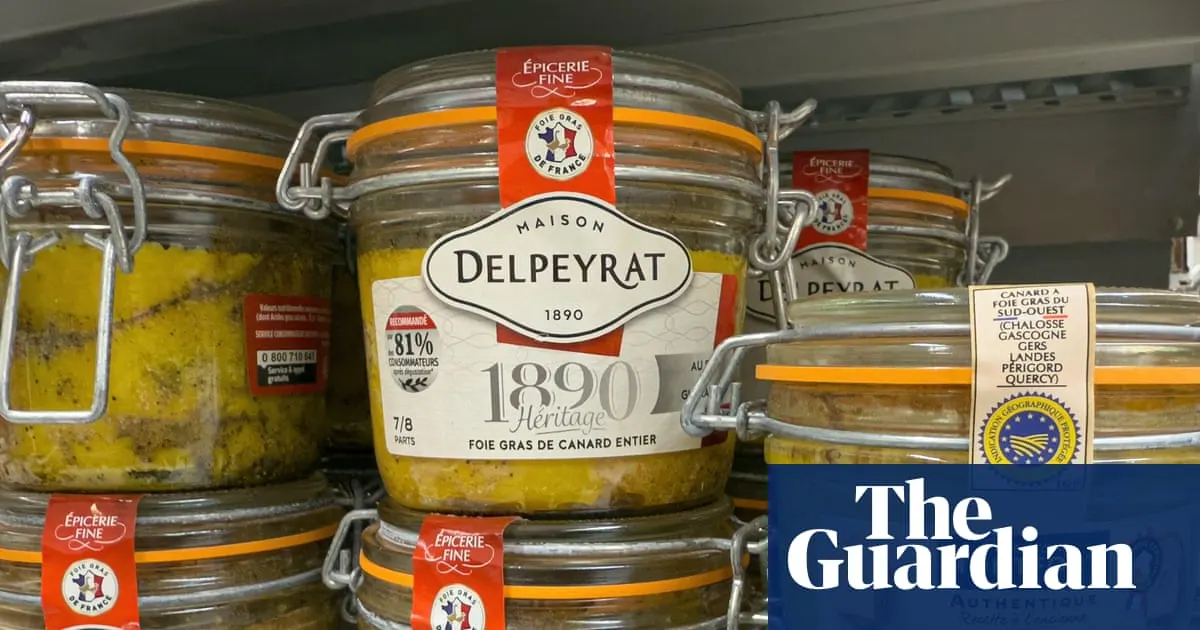
The government has dropped its planned ban on foie gras imports as part of a food and drink trade deal with the EU, which is intended to reduce checks and paperwork. The reversal abandons a Labour pre-election pledge and has drawn criticism from animal welfare charities and chefs, who say welfare concerns should not be sidelined to secure closer trade ties.
Foie gras is made from the livers of ducks or geese force-fed grain through a tube, a production method banned in the UK since 2007. Imports and sales remain permitted, though some shops and restaurants have stopped offering it; the government says the trade deal could make exports easier and cheaper and boost the British economy by up to £5bn a year.
- Sources
- 2
- Outlets
- 2
- Left · Centre · Right
- 2 · 0 · 0
In short
- The government has dropped its planned foie gras import ban.
- The decision is part of a food and drink trade deal with the EU.
- Animal welfare groups and chefs have criticised the reversal.
How this story developed
- 20 hours ago The agreement is now expected this week, and ministers’ planned reversal has prompted renewed criticism from welfare groups, while some UK restaurants and shops have already stopped selling foie gras.
- 20 hours ago The government is expected to abandon its planned ban on foie gras imports in a food and drink trade agreement with the EU, drawing criticism from animal welfare charities and chefs.
Full account
The government is expected to drop its planned ban on imports of foie gras as part of a food and drink agreement with the European Union. The deal, due to be announced on Friday, is intended to reduce checks and paperwork on trade in food and drink. The Financial Times first reported that the import ban would be abandoned; the reports supplied here describe the change as expected rather than quoting a formal announcement.
Labour had pledged before taking office to ban commercial imports of foie gras, which is made from the livers of ducks or geese force-fed grain. The party did not include the pledge in its 2024 election manifesto, though Steve Reed, then shadow environment secretary, publicly supported a ban. Production of foie gras has been prohibited in the UK since 2007, and that restriction is expected to remain. The difficulty is that EU producers, including France, oppose import restrictions of this kind.
The proposed food deal is one part of wider efforts to reduce post-Brexit barriers. The Independent’s report also describes discussions on emissions trading and youth mobility, and says Andy Burnham is due to sign a series of agreements in Brussels on 20 November. The government says the food and drink agreement could cut costs and paperwork for exporters, support businesses and jobs, and boost the British economy by up to £5 billion a year. It has also said the deal would remove the need for most “Not for EU” labels, while rejecting claims that it would require changes to British marmalade or ban smoky flavours and single-serving condiment sachets.
Animal welfare groups and chefs criticised the reported decision. RSPCA public affairs head David Bowles said he was extremely disappointed, while chefs Alexis Gauthier and Will Murray described dropping the ban as a setback for animal welfare. Some British restaurants still serve foie gras, although a number of shops have stopped selling it. Gauthier now serves a mushroom-based alternative at his London restaurant. The reports differ in emphasis: the Guardian account focuses on the welfare criticism and reactions from chefs and campaigners; the Independent places the issue within the wider package of EU negotiations and the government’s stated limits on closer integration.
Where outlets differ
From the full account, which is AI-written from the sources:
The Guardian report says the deal will be announced on Friday and foregrounds criticism from animal welfare organisations and chefs. The Independent gives 20 November as the date for a Brussels signing of a series of agreements and covers other areas of UK-EU cooperation, including emissions trading and youth mobility.
The Guardian report says Boris Johnson’s government had promised to use Brexit powers to ban foie gras imports. The Independent stresses that the import ban was not included in Labour’s 2024 manifesto, while noting Steve Reed’s pre-election pledge. Both reports say UK production has been banned since 2007 and is expected to remain prohibited.
Steelman: both sides, in good faith
The strongest fair case each way — we don't pick a winner.
The case for
Supporters could argue that easing trade with the EU would cut checks and paperwork, reduce costs for businesses and consumers, and support economic growth. They may also say that imports and sales of foie gras are already legal, so dropping the proposed ban changes less than a new expansion of domestic production would, while allowing the government to pursue wider trade benefits.
The case against
Opponents could argue that permitting imports sustains demand for a product made through force-feeding, a practice the UK has banned in domestic production on animal-welfare grounds. They may see the planned ban as a consistent way to uphold those standards and contend that closer trade ties or projected economic gains do not justify weakening them.
Explained simply
Foie gras is a food made from the enlarged livers of ducks or geese. It is traditionally produced by force-feeding the birds grain, a method that has been banned in the UK since 2007; foie gras can still be imported and sold here.
The government had planned to ban imports, but the UK and EU are negotiating a deal to make food and drink trade easier by reducing checks and paperwork. Ministers say closer trade could benefit the economy, while animal welfare charities and some chefs argue that the way foie gras is produced should remain a concern.
Coverage · 2 sources
Bias meters
From 2 rated sources.
Business Culture Europe Food Government Politics UK World
Read the full article at the source →
Originally published by The Guardian as “Ministers to drop foie gras imports ban to help seal EU food trade deal”.