Politics news and discussion on TalkFuse.
Missouri urges Eighth Circuit to revive lawsuit over Starbucks’s DEI policies
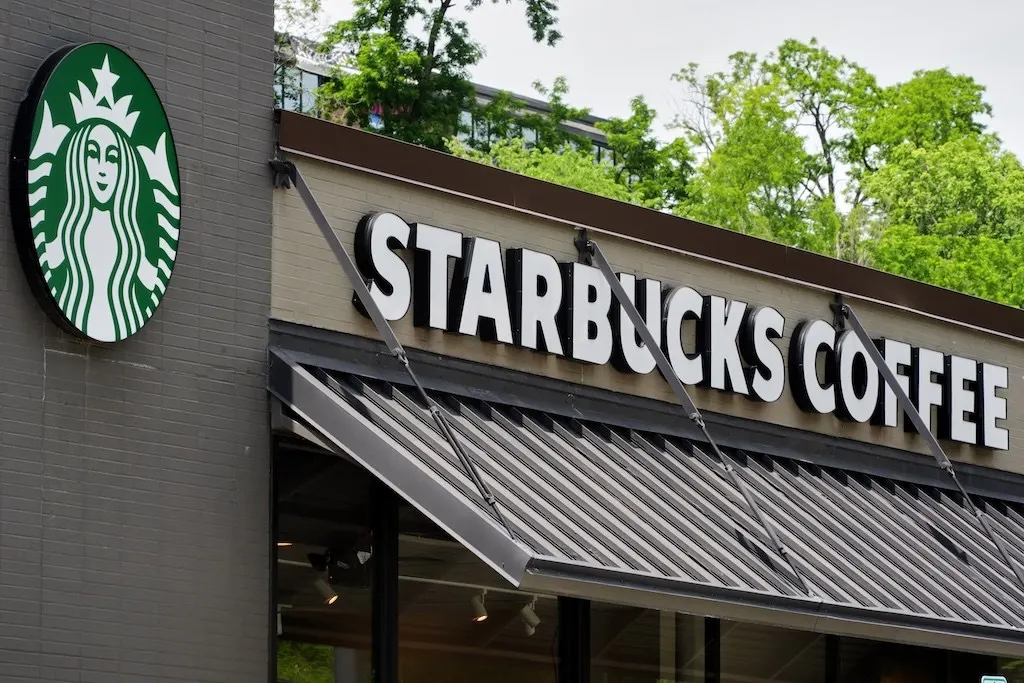
Missouri has asked a federal appeals court to reinstate its lawsuit accusing Starbucks of racial discrimination through its diversity, equity and inclusion policies. The case matters because the state argues that the lower court’s decision could limit its ability to bring future discrimination claims.
A three-judge panel of the Eighth Circuit Court of Appeals heard arguments on Tuesday about whether to overturn a district court ruling that dismissed the lawsuit in February as too broad. Missouri Solicitor General Louis Capozzi argued the state had described a pattern of people being denied promotions, benefits or jobs because of their race; the lower court found Missouri had not adequately stated a claim.
In short
- Missouri wants its lawsuit against Starbucks revived.
- The case concerns alleged racial discrimination in DEI policies.
- The Eighth Circuit heard arguments over the February dismissal.
Steelman: both sides, in good faith
The strongest fair case each way — we don't pick a winner.
The case for
Missouri’s strongest case is that a state should be able to challenge an alleged pattern of race-based decisions when it can point to people denied jobs, promotions or benefits, even if the claims involve several policies. Reviving the lawsuit would let the courts examine whether those practices unlawfully discriminated and clarify the state’s ability to pursue similar claims.
The case against
Starbucks’s strongest case is that a broad challenge to its DEI policies should not proceed without specific, adequately pleaded facts showing unlawful discrimination. Requiring a sufficiently focused claim protects organisations from costly litigation based on general allegations and ensures that anti-discrimination law is applied to particular decisions and evidence.
Explained simply
Missouri’s lawsuit concerns Starbucks’ diversity, equity and inclusion policies, which are intended to address representation and fairness in the workplace. The state alleges that the policies led to people being treated differently because of their race, including in decisions about jobs, promotions or benefits; Starbucks’ policies are the subject of the claims.
The case is being considered by the Eighth Circuit Court of Appeals, a federal court that reviews decisions made by lower courts. Its outcome could affect how Missouri brings discrimination claims against employers in future cases.