Business news and discussion on TalkFuse.
Mortgage rates skyrocket again thanks to hotter-than-expected inflation rates
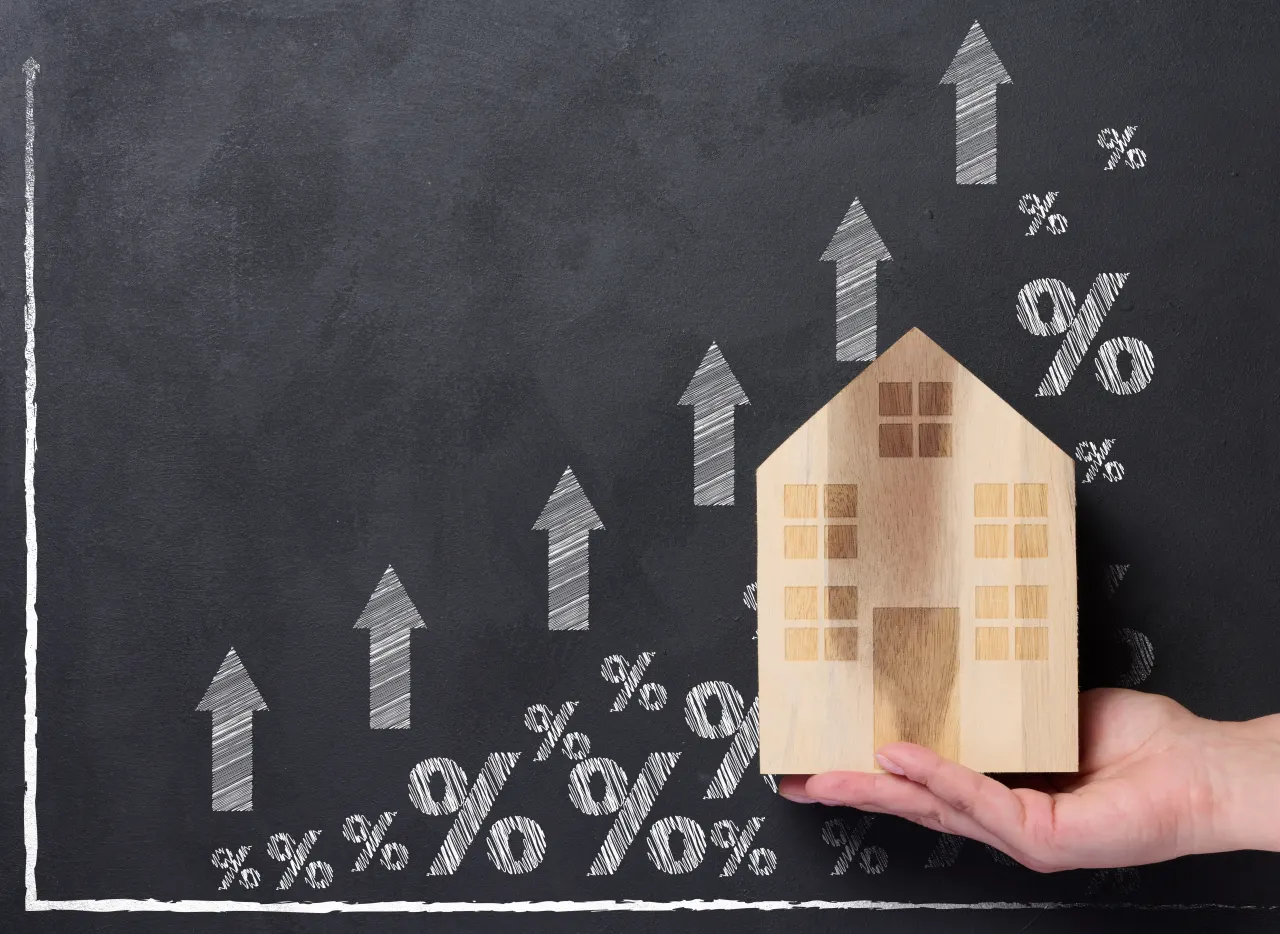
The average US rate on a 30-year fixed mortgage rose to 7.28% for the week ending 19 November, ending four weeks of declines. Higher-than-expected inflation has increased expectations of a Federal Reserve rate rise, lifting Treasury yields and adding pressure to mortgage costs, which are already weighing on housing activity and affordability.
Freddie Mac put the rate 17 basis points above the previous week’s 7.11% and above the 6.26% average a year earlier. Markets priced in a 93% chance of a quarter-point Fed increase in December, while October pending home sales reached a record low and existing home sales their lowest level since 2010. Buyers still face less competition and more choice, with listed inventory up 8.6% year on year and the median asking price down 2.4% to $405,000.
In short
- US 30-year mortgage rates climbed to 7.28%.
- Inflation has raised expectations of a December Fed rate rise.
- Buyers have more listings and less competition, but affordability remains strained.
Steelman: both sides, in good faith
The strongest fair case each way — we don't pick a winner.
The case for
Higher rates may be needed to contain persistent inflation and protect the dollar’s purchasing power; leaving borrowing costs low while prices remain elevated could prolong the problem. From this perspective, the resulting pressure on mortgages is painful but may be a necessary consequence of restoring price stability, and more housing choice and lower asking prices could offer some buyers opportunities.
The case against
A further rate rise could make an already difficult housing market less accessible, especially for first-time buyers and households whose incomes have not kept pace with housing costs. With sales already weak and mortgage rates well above a year ago, critics could argue that tightening risks deepening the slowdown and worsening affordability, while the additional benefit to inflation remains uncertain.
Business Economy Middle East World