Moscow, Kyiv assassins hunt weapons bosses as Ukraine war spills beyond the battlefield
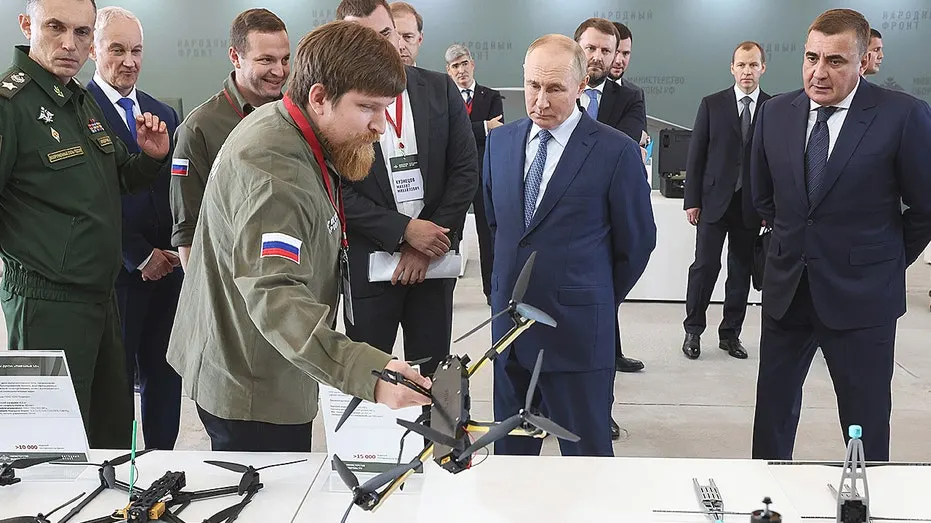
A new and dangerous front has opened in the Russia-Ukraine war, with attackers and suspected intelligence operatives increasingly targeting executives and engineers behind the drone technology now central to the fighting, industry experts warned. Rather than remaining confined to the battlefield, the conflict is spreading into assassination attempts, bombings and alleged espionage plots aimed at key figures in both countries' drone industries, reflecting how vital this technology has become to each side's war effort.
Among the incidents cited is a car bombing near Yekaterinburg on 4 August that critically injured Vladimir Tkachuk, head of Russian drone manufacturer Uraldronzavod, and reportedly killed another person. Experts say the pattern shows drone company founders and engineers on both the Russian and Ukrainian sides are now viewed as high-value targets, marking a shift in tactics as the war increasingly relies on unmanned systems.
- Drone industry executives now targeted in Russia-Ukraine war
- Car bombing near Yekaterinburg critically injured a Russian drone firm boss
- Experts say engineers and founders are becoming assassination targets
New here? Start with this
Russia and Ukraine have been at war since Russia launched its full-scale invasion in 2022. Both countries use drones—uncrewed aircraft controlled remotely or programmed to fly—to watch enemy positions and attack targets, making the technology an important part of the fighting.
The companies that design and build these drones, and the engineers who develop them, support each country’s military effort. The reported attacks and suspected plots matter because they suggest the conflict may reach people involved in the arms industry away from the front lines, as well as soldiers on the battlefield.
Both sides, in good faith
The strongest fair case each way — we don't pick a winner.
The case for
Drone manufacturers and their key engineers represent critical military-industrial assets directly enabling each side's war effort. When a nation's entire military strategy depends on unmanned systems, those who design and produce them become legitimate targets—a principle historically applied to weapons factories and military infrastructure. The distinction between civilian and military production blurs in total war, especially when civilian companies are wholly devoted to military output. Disrupting these capabilities, including through targeting irreplaceable technical leadership, is a recognised wartime practice.
The case against
This escalation crosses ethical and legal boundaries that distinguish combatants from civilians, even in wartime. Assassination campaigns targeting industrial workers and executives risk spiralling into cycles of revenge that destabilise entire societies beyond the battlefield. Such tactics also likely prove counterproductive, hardening resistance and generating sympathy for victims rather than achieving durable military advantage. There exist alternative approaches to disrupting enemy capabilities—sanctions, supply chain interdiction, infrastructure targeting—that do not require killing individuals and risk normalising assassination in conflict.