Muslim tradesman who prayed at Bondi Beach massacre memorial site dressed in ‘Free Palestine’ City2Surf get-up explains why he did it – as photos spark online storm
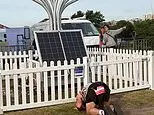
A Muslim tradesman has spoken out after photographs of him praying at a Bondi Beach memorial site, while wearing "Free Palestine" clothing linked to Sydney's City2Surf event, circulated online and provoked a backlash. The images, taken at a site associated with the aftermath of a mass killing at Bondi Beach, drew criticism from some who felt the combination of prayer, memorial and pro-Palestinian messaging was inappropriate, prompting the man to explain his intentions publicly.
Specific details of the man's explanation, the exact nature of the massacre being commemorated, and the timeline of events were not available in the supplied article text, which consisted largely of unrelated Daily Mail headlines rather than the story's full content. The controversy nonetheless centres on the optics of religious observance and political messaging occurring near a site of public mourning, with the photos becoming a flashpoint for online debate.
- Muslim tradesman prayed at Bondi Beach memorial wearing "Free Palestine" gear
- Photos of the act sparked significant online criticism and debate
- He has since publicly explained his reasons for doing so
Both sides, in good faith
The strongest fair case each way — we don't pick a winner.
The case for
Those defending his action argue that prayer and religious observance are fundamental rights that shouldn't be constrained by location or the political views someone holds. Wearing clothing expressing support for a cause is protected speech, and his personal beliefs about Palestine have no inherent connection to the Bondi Beach victims; his capacity to mourn or pay respects isn't diminished by his political convictions. Memorial spaces exist for all members of the community, and singling out someone's expression because of their faith or political views risks creating a hierarchy of whose grief is acceptable.
The case against
Those criticizing the decision contend that memorial sites serve a specific and sacred purpose—honouring the deceased and supporting the bereaved—and that political messaging in such spaces risks instrumentalizing tragedy or appearing insensitive to grieving families. Whilst his right to hold pro-Palestinian views is unquestioned, there is a meaningful distinction between private belief and public demonstration; choosing to wear political attire at a massacre memorial introduces a conflict of context that can reasonably distract from or undermine the solemnity of mourning and respect for victims.