My cool and calm surgeon husband came home from work one day and said we should think about prepping. Now I – a mother-of-four and ex-No10 speechwriter – have turned my garden shed into a fully stocked survival bunker
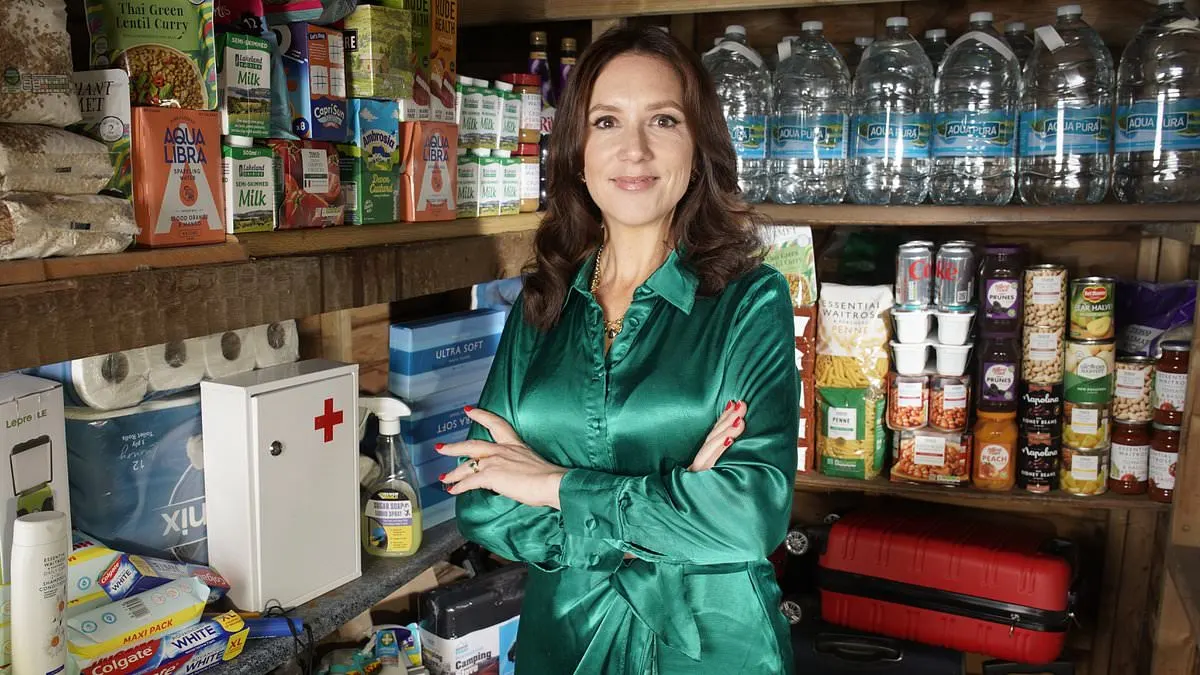
Clare Foges, a former No 10 speechwriter and mother of four, has turned her garden shed into a family emergency store after her surgeon husband suggested they prepare for possible disruption. She says a run of warnings about climate risks, cyberattacks, drones and conflict made the government’s emergency-kit advice feel significant, although she had previously regarded preppers with scepticism.
The shed contains about 50 tins and supplies intended to keep the family of six going for at least a couple of weeks. The article cites official advice to keep food, bottled water and some cash at home, alongside a torch, power bank, wind-up radio, batteries and first-aid kit. It also points to potential severe weather linked to El Niño and risks to food supply chains.
- A former No 10 speechwriter has stocked a family emergency shed.
- Supplies are meant to support six people for at least two weeks.
- Government advice and warnings about weather and security prompted preparations.
New here? Start with this
Emergency preparedness means keeping basic supplies at home in case disruption makes it harder to get food, water or help. In the UK, government guidance encourages households to have essentials such as bottled water, food, a torch, a radio and a first-aid kit.
Severe weather, power cuts, cyberattacks and problems with transport or supply chains can disrupt daily life. Preparing a modest store is one way households try to cope for a short time while services recover.
Both sides, in good faith
The strongest fair case each way — we don't pick a winner.
The case for
Keeping a modest emergency store can help a family cope with storms, power cuts or temporary supply disruption, and may reduce pressure on public services during a crisis. Supporters can see the government’s practical advice as sensible household resilience, especially when the supplies are useful in ordinary emergencies as well as rarer events.
The case against
Preparing for unlikely disruptions can create anxiety or encourage people to overestimate how soon severe crises will occur. Critics may argue that extensive personal stockpiling is an inefficient use of money and space, and that resilience depends more on reliable public infrastructure and coordinated emergency planning than on households acting alone.