Neanderthal wooden tools from Spain found preserved in stone
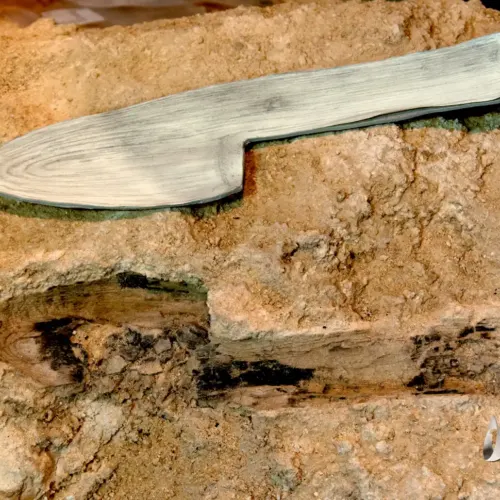
Archaeologists in Spain have discovered 597 wooden remains preserved in limestone casts at a rock shelter near Barcelona, spanning 62,000 to 40,000 years ago. Though most are natural wood, the 13 Neanderthal-made tools reveal sophisticated woodworking used for hunting, food preparation, and shelter-building, fundamentally challenging the view that Neanderthals were merely simple hunters with limited material culture.
The finds come from Abric Romaní, where mineral-rich spring water created limestone crusts that preserved detailed molds of wooden objects as they decayed. Unlike previous discoveries limited to hunting weapons, this site shows evidence of everyday activities: four juniper bark trays (possibly for carrying food), a five-metre-long pole, deliberately spaced sleeping hearths, and repeated woodworking across 20,000 years of continuous habitation, indicating that tool-making was a routine, central part of Neanderthal life.
- Neanderthals had sophisticated woodworking skills, not just hunting ability
- 597 wooden remains preserved in limestone at Spanish rock shelter
- Evidence of planned living spaces, food preparation, and shelters
New here? Start with this
Neanderthals were a human group who lived in Europe long before modern humans became widespread there. They made tools from stone, but wood rarely survives for archaeologists to study because it rots away.
Abric Romaní is a rock shelter near Barcelona where mineral-rich spring water left limestone casts around wooden objects. These casts preserved the shape of the wood, giving researchers clues about how Neanderthals used the shelter over many generations.
The site helps researchers understand daily life as well as hunting: wooden objects may have been used to carry food, prepare meals and build shelters. Studying them can show how Neanderthals made and used materials, and how their lives changed over time.
Both sides, in good faith
The strongest fair case each way — we don't pick a winner.
The case for
These discoveries provide compelling evidence that Neanderthals possessed sophisticated material culture and cognitive abilities previously underestimated. The deliberate construction of multiple sleeping hearths, alongside specialised wooden vessels and weapons spanning 20,000 years of occupation, indicates genuine planning, adaptation to specific tasks, and knowledge passed between individuals across generations. Such consistent, purposeful tool-making across such extended periods suggests cognitive capabilities fundamentally similar to those of early modern humans.
The case against
Whilst the tools demonstrate impressive craftsmanship, we should resist over-interpretation of their significance. The exceptional preservation at this single site may skew our perspective; routine tool production across many years does not necessarily indicate symbolic thinking or abstract planning comparable to human culture. Tool-making ability could reflect learned responses to environmental conditions rather than true cultural transmission, and the cognitive distinction between Neanderthals and humans likely involved dimensions beyond tool sophistication, such as language and symbolic representation.