Weird & Viral news and discussion on TalkFuse.
Near-death experiences and JCPenney: The strange story behind Queens of the Stone Age’s ‘Where the Goth Girls At?’
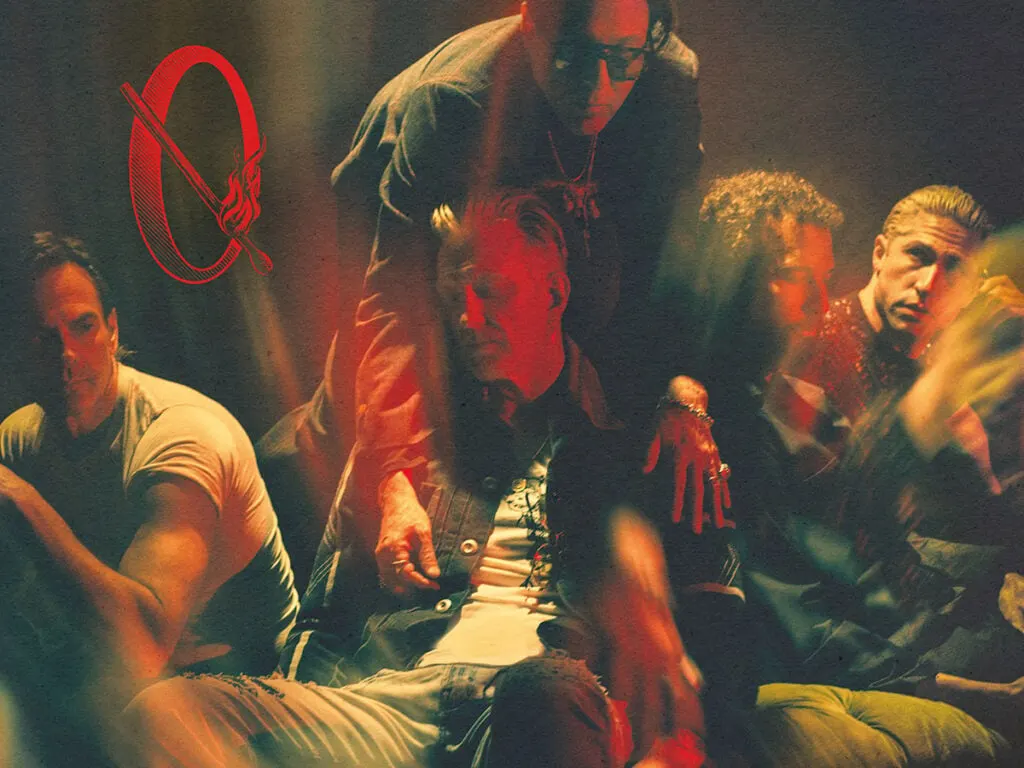
Queens of the Stone Age have released their new single "Where the Goth Girls At?" ahead of their forthcoming album Perfecth, accompanied by a theatrical music video set in a factory where frontman Josh Homme oversees workers being transformed into goths through a dark ritual. The song weaves together Homme's nostalgic recollections of teenage years with deeper themes about near-death experiences and the euphoria that accompanies survival.
The track features QOTSA's signature desert-rock sound, with Homme's vocals floating through a smoky, faltering groove. In the music video, workers in navy jumpsuits are converted into black-clad goths through kisses from lead dancer Scarlett Kapella, creating a darkly comedic narrative. Homme explained that the song draws from his memories of goth girls working at JCPenney in his native Palm Desert, California, making over elderly customers. The lyric "Never felt so alive as the day I almost died" references Homme's own brush with mortality—he nearly drowned at age twelve—and his belief that near-death experiences create a unique euphoria and heightened appreciation for life's simple pleasures.
In short
- QOTSA release theatrical single rooted in Homme's goth-girl memories from teenage years
- Song explores connection between near-death experiences and feeling truly alive
- Desert-rock track combines nostalgia with darker existential themes
Explained simply
Queens of the Stone Age is an American rock band fronted by Josh Homme. The group has released a new single called "Where the Goth Girls At?" that draws on Homme's personal history and experiences from his formative years.
The song references goth girls Homme observed during his teenage years working at a JCPenney department store in Palm Desert, California. The track is also rooted in a formative childhood moment: Homme nearly drowned at age twelve, and the song explores themes related to survival and how near-death experiences shape one's perspective on life.
These biographical elements form the basis for the song's exploration of survival and mortality. For readers new to the story, these personal connections provide essential context for what the song explores.