World news and discussion on TalkFuse.
Cooper unveils neighbourhood teams to link NHS and social care for vulnerable people
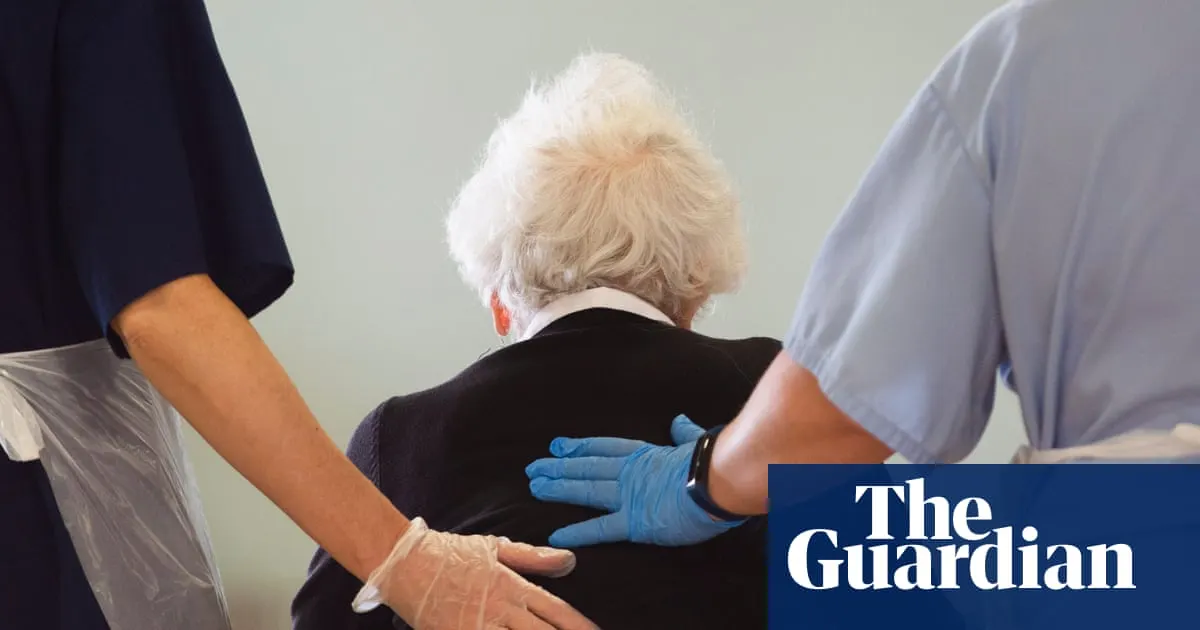
Health secretary Yvette Cooper has announced joint NHS and social care teams for vulnerable people in England, describing them as an initial step towards a national care service. The programme aims to provide more personalised support in communities and at home, while reducing pressure on hospitals and limiting long stays and corridor care.
By next April, about 566,000 people, or 1% of England’s population, are expected to benefit, including older people, care home residents, people with dementia and those near the end of life. Teams will bring together GPs, nurses, therapists, pharmacists, mental health workers and social workers, with individual care plans, regular health checks and a planned 24/7 helpline. The longer-term service is intended to reach about 2 million people and could cut 4.3 million hospital bed days.
In short
- Joint NHS and social care teams will support 566,000 people by next April.
- The programme is an initial step towards a national care service.
- Longer term, it aims to reduce hospital stays and corridor care.
Steelman: both sides, in good faith
The strongest fair case each way — we don't pick a winner.
The case for
Joining NHS and social care around each person could make support more coherent, catch health problems earlier and help vulnerable people remain safely at home or in their community. Advocates see personalised plans and round-the-clock advice as a practical way to improve dignity and continuity while easing avoidable pressure on hospitals.
The case against
A broader care service may promise more than it can deliver if staffing, funding and clear responsibility do not keep pace with its ambitions. Critics could argue that moving care into communities will not by itself resolve shortages or hospital pressures, and that a phased programme reaching a small share of the population may leave many people without timely support.
Explained simply
In England, the NHS provides healthcare, while councils arrange social care such as help with daily tasks and support at home. People who need both can find that services are organised separately, even when their health and practical needs are closely connected.
The NHS includes GPs, nurses and hospital staff; social care is often provided or arranged by local councils. Older people, people with dementia and others with complex needs may rely on several of these services, as well as support from carers and care homes.
When support is not well coordinated, people may struggle to get help at home or spend longer in hospital than they need to. Linking health and social care is intended to make support easier to plan around each person and help hospitals focus on people who need acute treatment.
Read the full article at the source →
Originally published by The Guardian as “‘Neighbourhood support teams’ to pave way for national care service, Cooper announces”.