NetBSD 11 lands with RISC-V support and lightning-fast VM boots
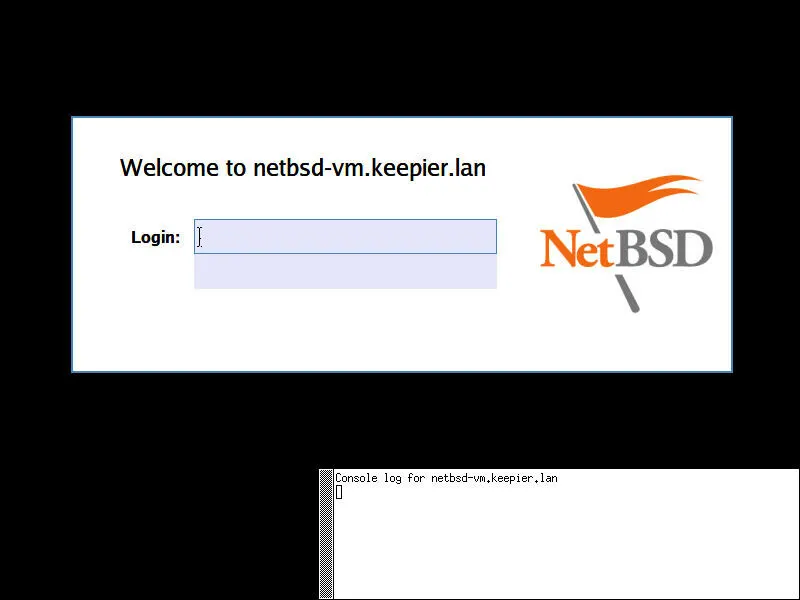
NetBSD has released its 11th major version, introducing several significant enhancements to the established Unix-like operating system. The release brings 64-bit RISC-V processor support, a specialized microkernel for virtual machines capable of booting in approximately 10 milliseconds, and improved compliance with current programming standards. Support extends across 52 different hardware platforms, with nine designated for primary support.
Unlike other BSD variants that serve specific purposes—FreeBSD for servers, OpenBSD for security, DragonflyBSD for research—NetBSD functions as a flexible general-purpose operating system. It can run Linux applications through compatibility layers, support multiple desktop environments, and operate as a virtualization host or guest. The project develops at a measured pace, making it an intentionally stable option for users seeking an alternative to Linux's accelerating feature cycle, though its minimal defaults and austere interface present barriers to newcomers.
- NetBSD 11 adds 64-bit RISC-V support and a new microkernel that boots virtual machines in ~10 milliseconds
- The OS extends to 52 hardware platforms and provides general-purpose functionality spanning servers, virtualization, and desktop use
- The release prioritises stability and minimalism, offering a deliberate alternative to Linux's rapid development cycle
New here? Start with this
NetBSD is a free, open-source operating system in the Unix family, developed by a worldwide volunteer project. It is designed to run on many kinds of computers, from servers and desktops to less common hardware, and can also be used inside virtual machines.
The project is known for supporting a wide range of hardware and for favouring stability. NetBSD can run some Linux software through compatibility features and offers different desktop environments, though its basic setup may take more effort for newcomers.
Its broad hardware support makes NetBSD useful to people who want one system across different devices or need to work with less common computer architectures. Its development pace and design choices also offer an alternative for users who prefer a more measured approach to operating system changes.