Netflix CEO Blames David Fincher for ‘Mindhunter’s Slow Death
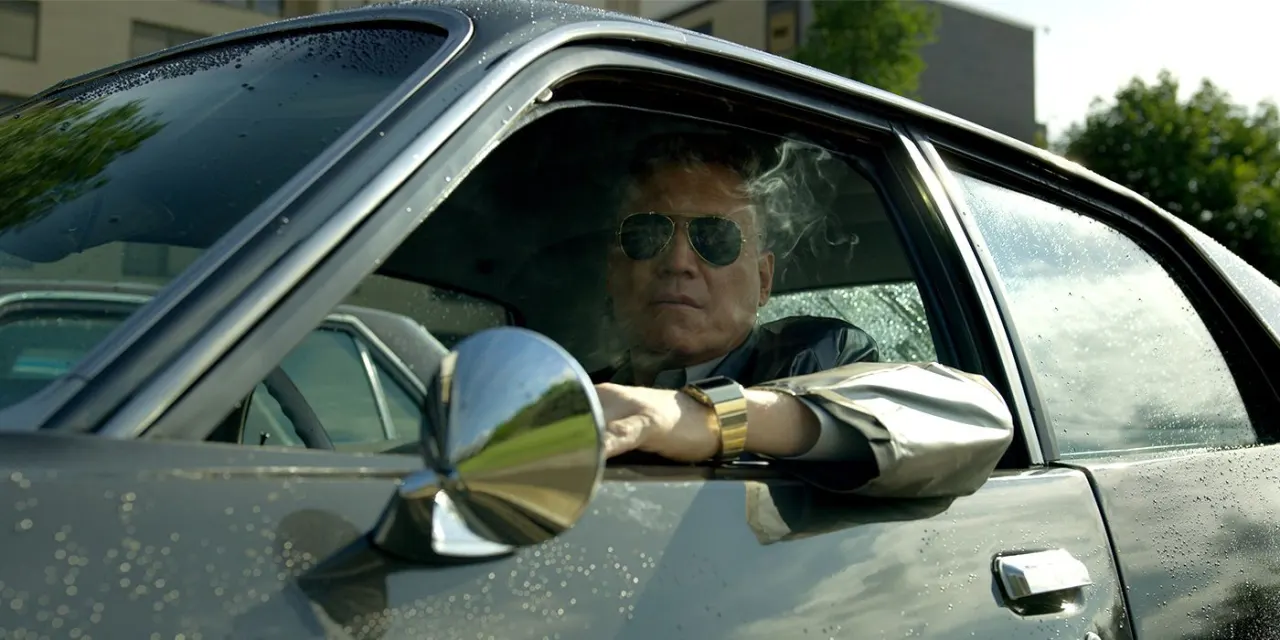
Netflix co-CEO Ted Sarandos has said that *Mindhunter* did not return chiefly because creator David Fincher chose not to continue it, challenging the widely held view that Netflix cancelled the acclaimed crime drama solely over cost. The series has effectively been dormant since its second season in 2019, despite strong reviews and an ending that suggested further stories.
Fincher previously said the show was too expensive for its audience size, and that Netflix could not justify another season at a similar budget. Sarandos said he would have welcomed a third season, while Fincher has since confirmed the project is officially finished; Netflix nevertheless continued working with him on *Mank* and *The Killer*.
- Sarandos says Fincher, not Netflix alone, ended *Mindhunter*.
- High costs and limited viewership remained major concerns.
- The acclaimed series is officially finished after two seasons.
New here? Start with this
Mindhunter was a Netflix crime drama created by filmmaker David Fincher. Set in the late 1970s and early 1980s, it followed FBI agents interviewing imprisoned murderers to help understand how such crimes are committed. The series drew strong reviews and ended its second season in 2019 with its story still open.
Netflix co-chief executive Ted Sarandos and Fincher have offered different explanations for why it did not continue. Fincher has said the show cost too much for the size of its audience, while Sarandos has said Fincher chose not to make another season. Netflix continued working with Fincher on other films, and he has since said Mindhunter is finished.
Both sides, in good faith
The strongest fair case each way — we don't pick a winner.
The case for
Creator David Fincher explicitly stated that *Mindhunter* had become economically unviable at its required budget level relative to its viewership, and both he and Netflix appear to have reached a mutual understanding that the show could not continue under those parameters. Netflix's willingness to collaborate with Fincher on subsequent projects like *Mank* and *The Killer* suggests they valued him sufficiently to have renewed the series had he chosen to pursue it. Fincher's decision to move on reflects a creator's legitimate prerogative to allocate his talents and artistic vision toward projects that align better with practical constraints.
The case against
Regardless of framing, Netflix made the business decision not to renew *Mindhunter* after season two—a cancellation in every meaningful sense from the audience's perspective. Netflix's analysis determined that the show's viewership did not justify its budget, a financial calculation that was determinative. Had Netflix been sufficiently committed, they could have explored cost-reduction arrangements or alternative production models with Fincher; attributing the dormancy to his choice somewhat obscures the underlying reality that Netflix's business priorities rendered continuation untenable.