Netflix’s Willy Wonka Reality Show Replaces Kids with Adults and Gene Wilder with AI
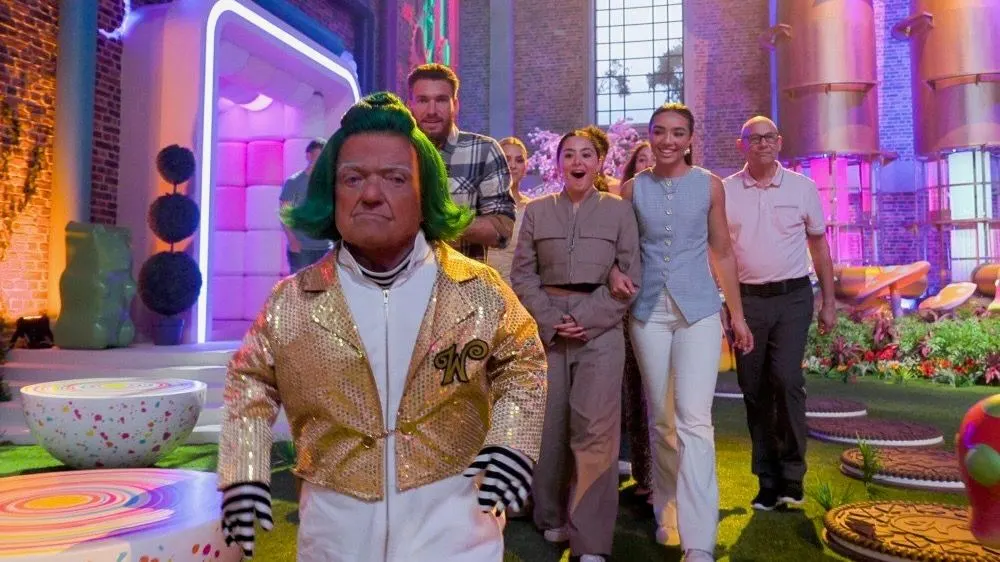
Netflix has released a trailer for Wonka’s The Golden Ticket, a nine-episode reality competition inspired by Roald Dahl’s Charlie and the Chocolate Factory. The programme replaces the story’s child characters with 12 adult contestants and their partners, who will face challenges and temptations in a recreated Wonka factory for a “life-changing prize”; it also uses AI to recreate Gene Wilder’s voice with permission from his estate.
The series is notable for bringing a deceased actor’s recognisable performance into a new production through synthetic voice technology, a decision likely to prompt debate over AI and artistic legacy. Rusty Goffe, an Oompa Loompa in the 1971 film, returns in the role, while the show recreates locations including the chocolate river. It premieres on 23 September, with a two-part finale due on 30 September.
- Netflix turns Willy Wonka into an adult reality competition.
- AI recreates Gene Wilder’s voice with estate permission.
- The nine-episode series begins on 23 September.
New here? Start with this
Charlie and the Chocolate Factory is a children’s story by Roald Dahl about a boy who visits the mysterious chocolate maker Willy Wonka’s factory. The 1971 film adaptation starred Gene Wilder as Wonka and became well known for its songs, unusual factory and cast of children.
Wonka’s factory has since been adapted in different ways, including films and stage productions. This reality competition uses the factory setting for challenges involving adult contestants and their partners, with Rusty Goffe, who appeared in the 1971 film as an Oompa Loompa, returning.
The programme also uses synthetic technology to recreate Wilder’s voice, with permission from his estate. The choice raises questions about how a performer’s voice and past work can be used after their death, and how new productions can draw on familiar performances.
Both sides, in good faith
The strongest fair case each way — we don't pick a winner.
The case for
Supporters may argue that the series is a respectful, authorised reinterpretation that introduces a classic story to a new audience while giving it a fresh competitive format. With Gene Wilder’s estate consenting, synthetic voice technology can be seen as a carefully managed way to honour a much-loved performance, alongside the return of an original cast member and detailed recreation of familiar settings. They may also say adult contestants make the reality-show stakes and production practicalities clearer without preventing the programme from retaining Dahl’s themes of temptation and character.
The case against
Critics may argue that replacing the children with adults changes a central moral and emotional element of Charlie and the Chocolate Factory, where childhood, vulnerability and wonder shape the story’s meaning. Even with estate permission, recreating Gene Wilder’s voice could feel less like preservation than commercial reuse of a deceased performer’s identity, raising concerns about consent, authenticity and the precedent it sets for other artists. They may contend that a new performer or an original voice would better respect Wilder’s legacy while allowing the programme to stand on its own.