New Hampshire candidate John Sununu blasts Dems for moving ‘First in the Nation Primary’ on Ruthless
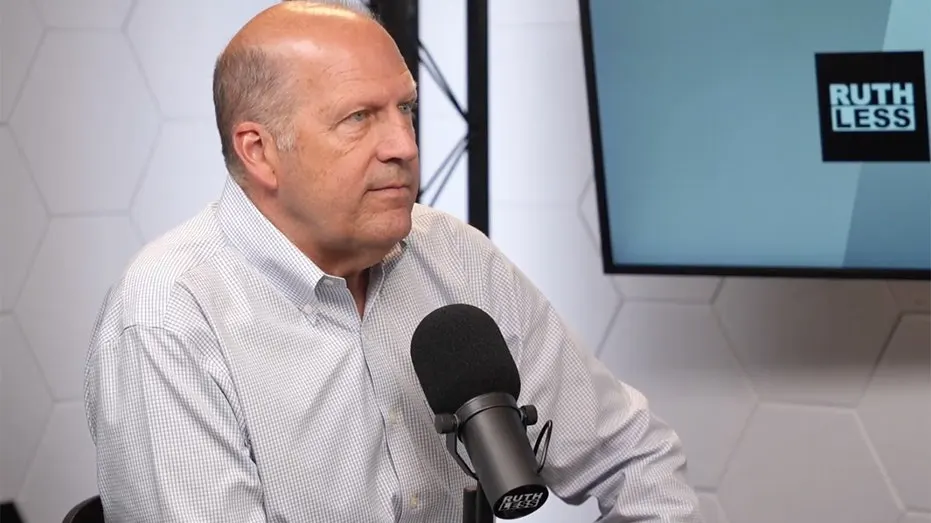
Former New Hampshire senator and current candidate John Sununu criticised the Democratic National Committee on the "Ruthless" podcast for undermining New Hampshire's traditional "first in the nation" presidential primary status. His remarks reflect ongoing tension between the DNC and New Hampshire Democrats over the party's decision to reshuffle its early primary calendar, a move that has been seen as sidelining the state's long-held role in the nominating process.
Sununu's appearance was part of a wider discussion on the podcast about Democratic Party dynamics ahead of the midterms, with the article noting his criticism alongside other Fox News coverage of intra-party disputes among Democrats. The piece does not provide further specifics on the DNC's calendar changes or Sununu's precise remarks beyond his general condemnation of the party's treatment of New Hampshire.
- Sununu criticises DNC for downgrading New Hampshire's primary status
- Comments made during appearance on the "Ruthless" podcast
- Reflects broader Democratic Party tension over primary calendar changes
New here? Start with this
New Hampshire has traditionally held the first primary in the US presidential nomination process. A primary is a state-level vote in which voters help choose a party’s candidate for president, before the parties formally nominate candidates.
The Democratic National Committee sets the order of its party’s early contests, and its calendar changes have created a dispute with New Hampshire Democrats over the state’s place. John Sununu is a former Republican US senator from New Hampshire and a candidate for office; the argument matters because the order of contests can affect when voters and candidates get attention during a presidential campaign.
Both sides, in good faith
The strongest fair case each way — we don't pick a winner.
The case for
New Hampshire's "first in the nation" status reflects decades of demonstrated electoral engagement and has produced a proven model where intensive retail politics forces genuine substantive engagement between candidates and voters. The state has earned its role through consistent performance and civic participation, and dismantling this established arrangement undermines respect for tradition and disrupts a process that has successfully narrowed fields based on authentic voter interaction rather than mere organisational or financial capacity.
The case against
The Democratic Party's actual electorate is far more diverse than New Hampshire's population, making the state's disproportionate early influence fundamentally unrepresentative of who party members are and what they care about. Restructuring the calendar to include more diverse constituencies earlier ensures that candidates face pressure to appeal to voters of colour and other communities central to Democratic victories, rather than allowing a demographically narrow state to shape the field in ways potentially disadvantageous to candidates strongest with the party's true base.