Politics news and discussion on TalkFuse.
New Jersey removes 6,600 people from voter rolls who were eligible to cast a ballot for 2024 election
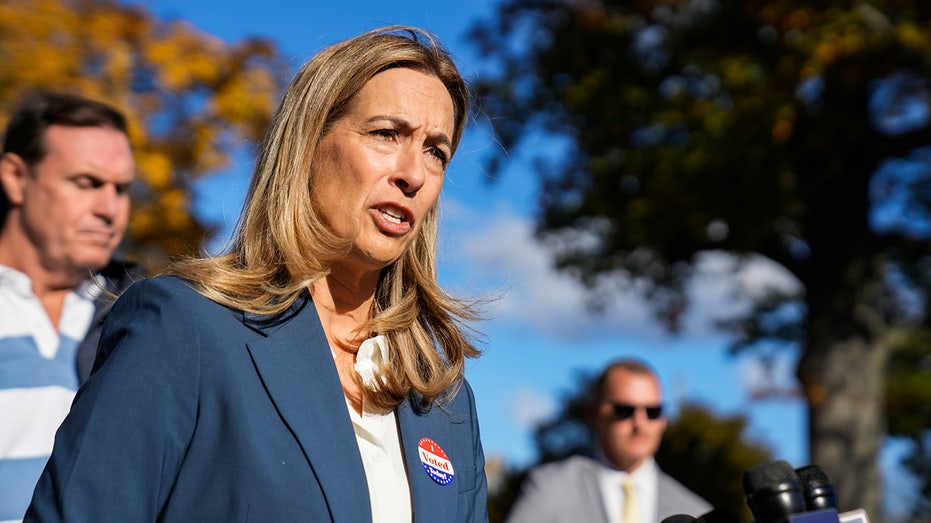
New Jersey's Governor, Mikie Sherrill, has announced that around 6,600 non-citizens were removed from the state's voter rolls after being mistakenly registered to vote in the 2024 presidential election. The Democratic governor attributed the error to a "serious software error" in the state's Motor Vehicle System, which incorrectly registered people without legal status to vote. The disclosure is likely to fuel ongoing debate over voter roll accuracy and election integrity across the United States.
According to Sherrill, the software fault affected registrations made between June 2023 and June 2024, during which thousands of ineligible individuals were added to the rolls. She said fewer than 400 of those wrongly registered people actually cast a ballot in elections. Sherrill indicated that some of those affected had provided information suggesting they were not eligible, pointing to a breakdown in the state's verification process rather than deliberate wrongdoing.
In short
- NJ removed 6,600 non-citizens wrongly registered to vote
- Governor blamed a Motor Vehicle System "software error"
- Fewer than 400 of those affected actually voted
Steelman: both sides, in good faith
The strongest fair case each way — we don't pick a winner.
The case for
Election integrity requires flawless voter roll accuracy, and 6,600 ineligible registrations represent a significant systemic failure. That nearly 400 people actually voted despite being non-citizens demonstrates inadequate verification safeguards in a critical process. The year-long duration of the software error (June 2023 to June 2024) suggests vulnerabilities may persist elsewhere, warranting stricter controls, more frequent audits, and stronger initial verification protocols at the point of registration.
The case against
The system functioned as intended by identifying and correcting the error transparently. Of 6,600 wrongly registered individuals, fewer than 400 cast ballots, and the state proactively disclosed the software fault with no evidence of deliberate fraud. That problems are caught and remedied through administrative audits demonstrates robust checks and balances at work. Expecting perfect accuracy in large-scale voter registration systems across multiple agencies is unrealistic; what matters is whether errors are detected and corrected, which occurred here.
Explained simply
New Jersey discovered that approximately 6,600 non-citizens were mistakenly added to its electoral register through a software fault in the state's Motor Vehicle System. The error occurred during driving licence applications made between June 2023 and June 2024, when the faulty system incorrectly registered ineligible individuals. The affected people have since been removed from the register.
Although the error affected thousands of registrations, its actual impact on elections was limited, with fewer than 400 of the wrongly registered individuals having cast votes. Some of those affected had already disclosed information indicating they were not eligible to vote, suggesting the problem lay in the state's verification processes rather than deliberate wrongdoing.
The incident reflects wider concerns across the United States about the accuracy of electoral registers. How states maintain and verify their registers has become an important issue in broader debates about election integrity.