New North Sea oil drilling faces delay after gear accidentally dropped in sea
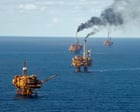
Production at Rosebank, the UK’s largest undeveloped oilfield, may be delayed until 2027 after drilling equipment was accidentally dropped on to the North Sea seabed. The setback comes as the government considers whether to permit work at Rosebank and Jackdaw, balancing industry arguments on energy security and jobs against climate concerns.
The incident occurred on 18 April, when two key pieces of equipment, including a safety valve, fell 1,100 metres; no workers were injured. The rig was sent to Bergen for repairs and could be unavailable for up to four months, delaying some wells, while Rosebank is estimated to contain 300 million barrels of oil over 25 years.
- Rosebank production may slip to 2027 after a rig accident.
- Key drilling equipment fell 1,100 metres to the seabed.
- Ministers will decide the fields’ future after August consultations.
Both sides, in good faith
The strongest fair case each way — we don't pick a winner.
The case for
Supporters of allowing Rosebank and Jackdaw to proceed argue that domestic production can strengthen UK energy security, reduce reliance on imported fuels and sustain skilled employment and supply chains in coastal communities. They contend that oil and gas demand will persist during the transition, so producing under UK safety and environmental rules may be preferable to importing supplies from countries with weaker standards. They may also argue that the equipment incident, while serious and requiring investigation, caused no injuries and should be addressed through robust oversight rather than treated as a reason to abandon the projects.
The case against
Opponents argue that authorising major new oilfields is inconsistent with the UK’s climate commitments and risks locking capital, infrastructure and workers into prolonged fossil-fuel production. They question whether Rosebank’s output would materially improve household energy security, since oil is traded internationally, while warning that environmental and financial costs could remain with the public as demand falls. The accident reinforces, in their view, the inherent operational risks of deep-water extraction and the case for directing investment towards renewables, efficiency and a managed transition for affected workers.