New surveillance tech links your phone to your license plate
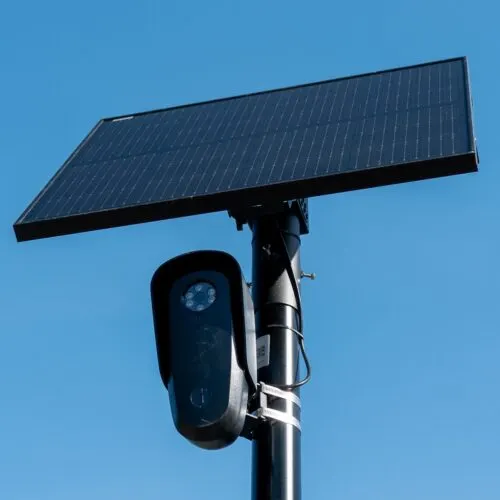
A new surveillance system called SignalTrace, marketed by security firm Leonardo, links automatic licence plate readers with sensors that detect nearby electronic devices such as phones and smartwatches. By logging which devices repeatedly travel together with a particular vehicle, the system builds "electronic signatures" that can later be searched even without knowing a car's number plate, allowing investigators to trace a person's movements and associations before establishing their identity. Leonardo maintains the technology "does not identify people" since it only captures device signals rather than names, but researchers argue this is a narrow definition, as repeated links to a registered vehicle, a home address, or another known device can effectively reveal who was carrying it.
The system reportedly works by pairing licence plate camera data with detected Bluetooth or radio frequency signals, storing these fingerprints for later police queries. Leonardo's own product materials describe the technology as helping "identify suspects" through the mix of devices they carry, and an associated patent refers to tracking "targets" — people or vehicles — by correlating searchable signatures with visual identifiers across locations. According to the article, devices using the system, or its predecessor, have reportedly been installed in Oxon Hill, Maryland, and featured on an official New York state contract price list, though it is described as a tested and marketed capability rather than yet being widespread police practice.
In short
- Leonardo's SignalTrace links phone/device signals to car licence plates
- It can trace movement patterns before a suspect is identified
- Firm says it doesn't "identify people," but researchers dispute that claim
Steelman: both sides, in good faith
The strongest fair case each way — we don't pick a winner.
The case for
Law enforcement advocates argue that device-to-licence-plate correlation is a technically legitimate investigative tool that harnesses passively broadcast signals to help solve serious crimes without requiring prior knowledge of suspect identities. They contend that, unlike direct identification systems, this represents an incremental capability expansion over existing infrastructure, and that the technical distinction between signal correlation and personal identification matters for due process and lawful investigation limits.
The case against
Privacy advocates argue that the system enables mass movement tracking regardless of Leonardo's claims that it captures only signals rather than identifying people, since repeated device correlations with registered vehicles and known addresses effectively reveal individuals' identities and associations. They maintain the public has not consented to this surveillance, the chilling effects on freedom of association are profound, and the patent language alongside actual capabilities indicate clear targeting potential that invites scope creep and misuse once widely deployed.
Explained simply
Automatic number plate readers use cameras to record passing vehicles and their registration numbers. SignalTrace, made by security firm Leonardo, is described as adding sensors that detect signals from nearby phones, smartwatches and other electronic devices, then linking those signals to vehicles.
The system stores these links as searchable patterns, so investigators may be able to look for a device’s past journeys even if they do not know the vehicle’s number plate. Leonardo says it does not identify people because it records device signals rather than names; researchers argue that links to a known vehicle, address or device could still reveal someone’s identity and movements.
The technology has reportedly been installed in Maryland and listed on a New York state contract price list, but the reports describe it as a tested and marketed capability, not widespread police practice. The debate centres on how connecting vehicle records with device signals could affect privacy and how the system is used.