Technology news and discussion on TalkFuse.
Next Space Force chief throws cold water on the idea of space privateers
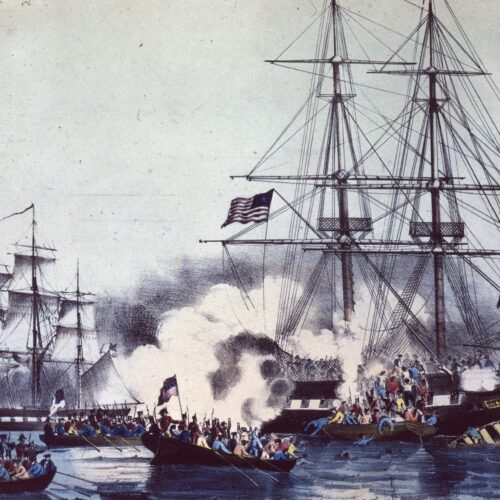
The article traces the history of privateering in the United States, from letters of marque issued by presidents including John Adams and James Madison against France and Britain, through to its decline as the US Navy grew and its prohibition under international law. It notes that despite privateering being enshrined in the US Constitution, the government has not used the practice since the War of 1812, aside from Confederate use during the Civil War, and that even Founding Fathers such as Benjamin Franklin later argued against it on moral and economic grounds.
The piece then turns to renewed interest in the concept among some current US lawmakers. Senator Mike Lee and Representative Tim Burchett have proposed legislation to authorise modern-day privateering, including a bill last year aimed at combating drug cartels and a further bill this month seeking to apply letters of marque and reprisal to cyber warfare, allowing "digital privateers" to target cybercriminals and foreign adversaries. The provided text is cut off before addressing the article's stated focus on the incoming Space Force chief's scepticism about extending this idea to space.
In short
- US privateering dates to the 1700s but ended after the War of 1812.
- Senators Lee and Burchett want modern privateering laws revived.
- New bills target drug cartels and cyber warfare, not yet space.
Steelman: both sides, in good faith
The strongest fair case each way — we don't pick a winner.
The case for
The Constitution explicitly permits letters of marque and reprisal for good reason: they allow the United States to respond flexibly to threats whilst conserving government resources and avoiding direct military entanglement. Private sector innovation and efficiency, proven in other domains, could address emerging challenges in cyber and space domains where traditional government structures struggle to keep pace. Lawmakers proposing this legislation see it as a pragmatic means to combat distributed threats like drug cartels and cybercriminals who already operate outside conventional frameworks, and the Space Force chief's concerns, whilst understandable from an institutional perspective, may not adequately account for how private actors could complement rather than replace official capabilities.
The case against
Whilst the Constitution permits privateering, the international community and even early American statesmen recognised that abandoning it represents civilisational and moral progress. Authorising private actors to conduct military-style operations in cyberspace or space risks creating accountability gaps, escalating international tensions, and undermining the rules-based order that actually serves American long-term interests better than uncontrolled private operations. The Space Force chief's caution reflects legitimate concerns that privatised space activities could trigger miscalculation or arms races, and history shows that once unleashed, private military actors are difficult to constrain within intended boundaries.
Explained simply
Privateering is a historical practice where governments granted private individuals permission to attack enemies on their behalf. The United States used this approach from its founding through the War of 1812, with presidents issuing "letters of marque" to authorise private forces, though it has been prohibited under international law for over a century.
In recent years, some American lawmakers have proposed reviving privateering for the modern era. Senator Mike Lee and Representative Tim Burchett have introduced bills that would authorise private actors to conduct operations against cybercriminals and hostile foreign powers, reflecting new interest in applying this historical approach to contemporary threats.
This renewed focus on privateering has now extended to space operations, raising questions about whether private companies should play a military role in America's space defence capabilities. The incoming Space Force chief's perspective on this matter carries weight given the military's responsibility for managing American space operations.