Nicaragua’s Ortega says country will ‘never again’ hold elections, shutting out opposition
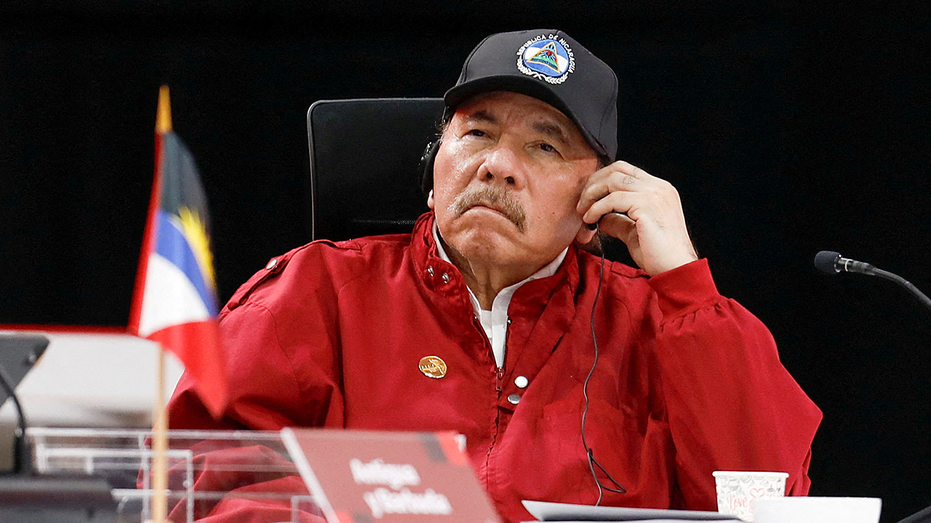
Nicaraguan President Daniel Ortega has declared that the country will "never again" hold elections, formally shutting the door on any electoral route for the opposition to challenge his government. The announcement further entrenches one-party rule under Ortega, who has governed alongside his wife and co-president Rosario Murillo since returning to power in 2007, and marks an explicit end to even the pretence of democratic competition in Nicaragua.
Ortega has increasingly consolidated authority over recent years, cracking down on opposition figures, independent media and civil society groups, with many critics jailed, exiled or stripped of citizenship. His latest remarks confirm what analysts had long argued was already the reality on the ground, removing any ambiguity about the government's intentions and drawing renewed concern over the erosion of democratic norms in the Central American nation.
- Ortega says Nicaragua will never hold elections again
- Move cements one-party rule with wife Rosario Murillo
- Ortega has led Nicaragua continuously since 2007
Both sides, in good faith
The strongest fair case each way — we don't pick a winner.
The case for
Supporters of the Ortega government argue that Nicaragua's electoral processes had long been exploited by foreign-backed opposition movements and outside powers, particularly the United States, seeking to engineer regime change under the guise of democratic competition, pointing to the 2018 unrest as evidence of an externally fomented destabilisation campaign. From this perspective, formally dispensing with elections is a candid acknowledgement of political reality rather than a new departure, and allows the government to prioritise national sovereignty, social stability and the continuation of poverty-reduction and welfare programmes without the disruption of contests they regard as vehicles for interference rather than genuine self-determination.
The case against
Critics, including much of the domestic opposition, independent civil society and international observers, contend that permanently abolishing elections strips Nicaraguans of their fundamental right to choose their government and marks the definitive end of any democratic pretence in the country. They see it as the logical culmination of years of jailing, exiling and stripping citizenship from dissidents, closing independent media and NGOs, and packing institutions with loyalists, arguing that genuine sovereignty and social progress cannot be built on the permanent exclusion of the population from political power and the entrenchment of what increasingly resembles hereditary rule under Ortega and Murillo.