Technology news and discussion on TalkFuse.
Nigel Farage’s exit from the Telegraph may be cause for cheer. But there’s a sobering side to this story | Jane Martinson
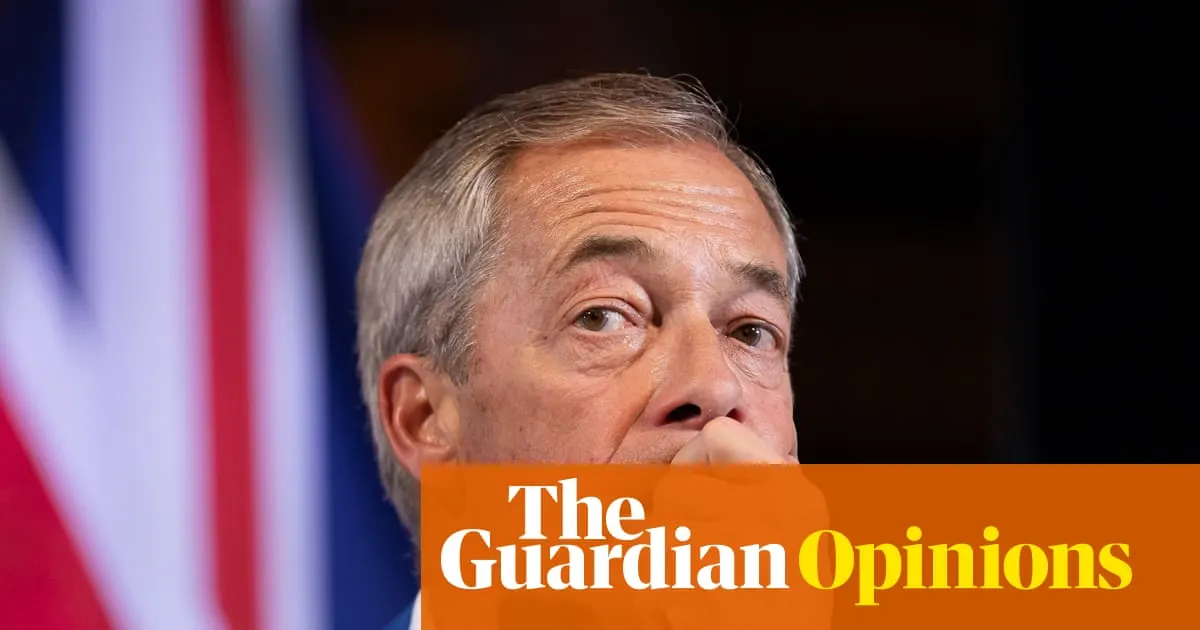
Nigel Farage is no longer writing for the Daily Telegraph, and Allison Pearson is reportedly negotiating her departure, prompting speculation that the paper’s new owners are reversing its rightward shift. But the article argues the main reason for change is financial pressure, not politics, and that the cuts could weaken journalism.
The Telegraph’s German owner, Axel Springer, paid £575m for the paper in June. More than 100 staff, nearly a fifth of editorial and commercial employees, are reportedly facing cuts before Christmas, with sport and culture expected to be hit harder than comment. Print sales are falling, search traffic is under pressure and artificial intelligence is changing the media business; Farage had been paid about £4,000 a month for his columns.
In short
- Farage’s Telegraph columns have ended amid wider cost cuts.
- More than 100 staff are reportedly facing redundancy.
- The article says financial strain, not politics, is driving change.
Steelman: both sides, in good faith
The strongest fair case each way — we don't pick a winner.
The case for
Farage’s departure and Pearson’s reported negotiations could give the Telegraph a chance to broaden its outlook and reduce the prominence of voices associated with its rightward shift. A sharper focus on financial sustainability may also be necessary as print sales and search traffic decline, and ending expensive column arrangements could help control costs.
The case against
The changes may reflect financial pressure more than a deliberate effort to rebalance the paper, so they are no guarantee of broader or more independent coverage. Cutting more than 100 staff risks weakening reporting and cultural coverage, leaving readers with less journalism just as the media faces major technological and commercial change.
AI Politics Technology UK World