Nikki Sixx proclaims Mötley Crüe shows to be politics-free zones
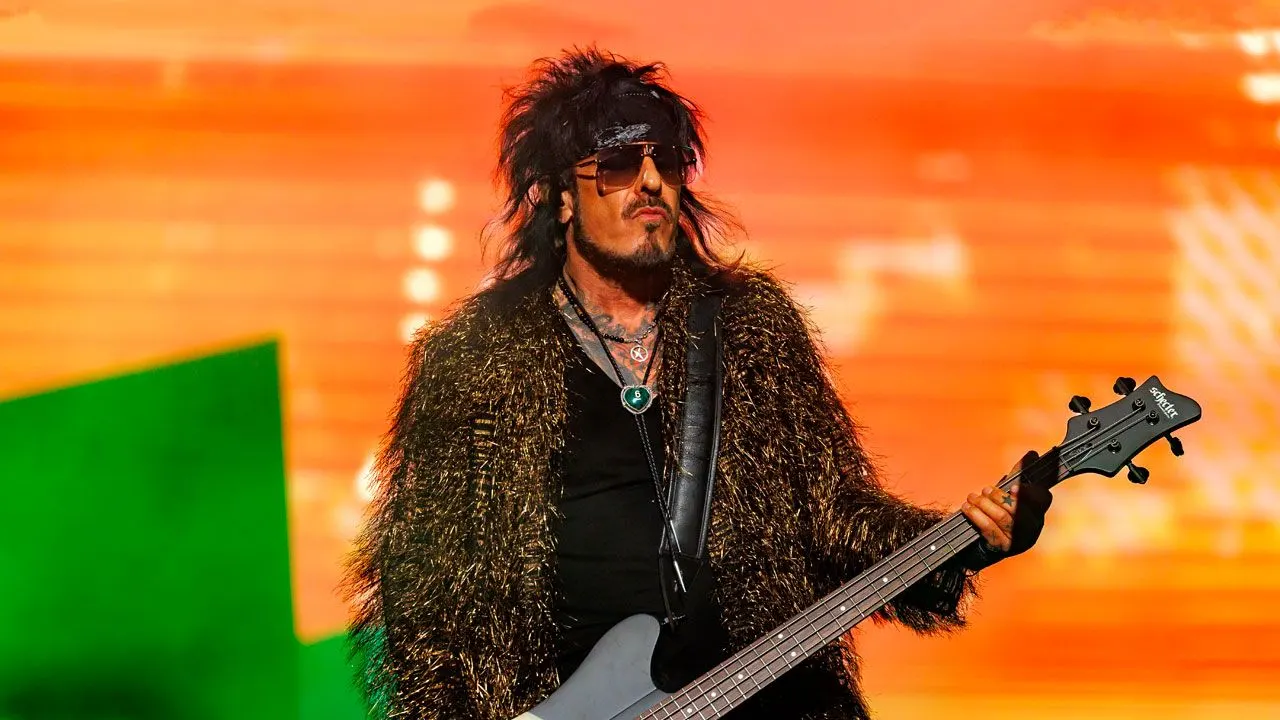
Nikki Sixx has said Mötley Crüe’s shows are for fans of all political views and sexual orientations, as a clip of his remarks circulates online. His comments echo Metallica frontman James Hetfield’s recent statement that the band would not use its stage to influence audiences, amid debate over musicians addressing political issues at concerts.
Sixx said it did not matter whether fans were Republican or Democrat, gay or straight, adding that “we’re all in this together”. The clip’s filming date is unclear, though Mötley Crüe completed its Return of the Carnival of Sins tour last month, and Sixx made a similar speech in Charlotte in August. The discussion follows rapper Macklemore’s removal from Ed Sheeran’s stadium tour after an onstage speech about Palestinians affected by the Gaza conflict.
- Nikki Sixx said Mötley Crüe welcomes fans of all political views.
- His remarks echo James Hetfield’s comments about Metallica’s shows.
- The clip’s date is unclear; Sixx made similar remarks in August.
New here? Start with this
Mötley Crüe are an American rock band, and Nikki Sixx is their bassist and a founding member. The band’s concerts bring together audiences with different political views and backgrounds.
Musicians differ over whether concerts should include messages about political issues. Some use the stage to draw attention to causes, while others say performances should focus on the music and welcome all fans.
Both sides, in good faith
The strongest fair case each way — we don't pick a winner.
The case for
Keeping concerts free of political advocacy can make them welcoming to fans with different views and keep the focus on shared music. Artists may see it as fair to avoid using a platform built for entertainment to pressure an audience that came to hear a performance.
The case against
A concert is also an artist’s platform, and speaking about public issues can express sincerely held values or draw attention to people facing harm. Fans who value that candour may see a politics-free expectation as limiting artistic expression and treating silence as neutral when it can itself have a political effect.