Nintendo is having a great 2026 thanks to The Super Mario Galaxy movie and a U.S. tariff refund
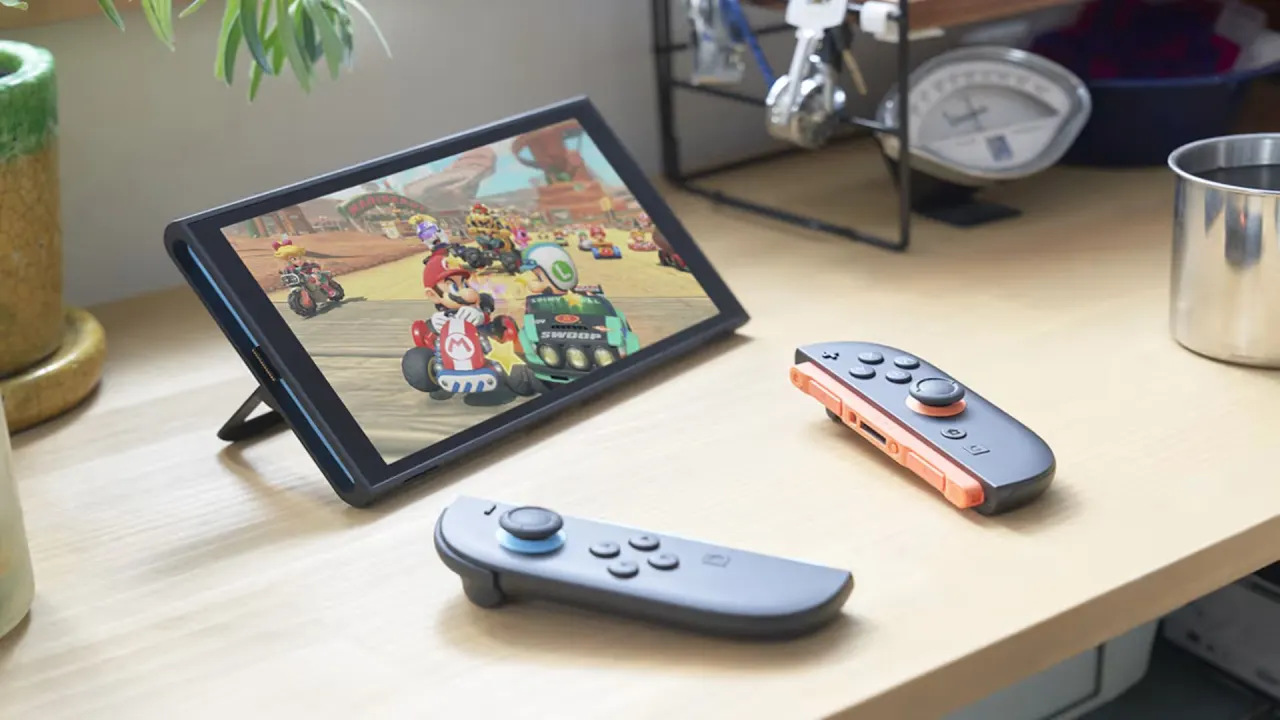
Nintendo's latest quarterly financial report shows the company enjoying a strong start to its 2026 fiscal year, boosted by the box-office success of The Super Mario Galaxy Movie and a substantial US tariff refund. While hardware sales for both the Switch and Switch 2 fell by around 31–34% year-on-year, this is largely because the comparison period included the Switch 2's launch week spike, and underlying demand for both consoles remains robust. The results underline that Nintendo's ageing original Switch and its newer successor continue to sell strongly nine years and one year into their respective lifespans, while software and IP-related income are driving profit growth.
In the quarter, 3.82 million Switch 2 units were sold, taking the console's lifetime total past 23.68 million and overtaking the GameCube, while the original Switch still shifted over 660,000 units. Software sales grew faster than hardware, up 9.2% for Switch 2 titles and 38.6% for original Switch titles, with digital sales rising 90% even as physical cartridges still make up 40% of game sales, suggesting Nintendo is unlikely to follow Sony in ending disc production. Profits were further lifted by a $300 million US tariff refund following a Supreme Court ruling, which drove a 150% profit increase, alongside a 107.4% rise in IP-related income thanks to the Mario Galaxy film's $1 billion-plus box office take, with Nintendo now eyeing similar success from an upcoming Zelda live-action movie.
In short
- Nintendo's Q1 2026 profits surged on tariff refund and Mario film
- Switch 2 sales hit 23.68 million units, passing GameCube's lifetime total
- $300m US tariff refund and hit Mario movie boosted overall profit
Steelman: both sides, in good faith
The strongest fair case each way — we don't pick a winner.
The case for
Nintendo demonstrates fundamental business strength across multiple revenue streams, with software sales growth significantly outpacing hardware and digital adoption rising substantially. The company is successfully expanding its IP into profitable new media with the Mario Galaxy film, representing a replicable business model for future adaptations. Hardware sales decline is entirely explained by comparison effects from last year's Switch 2 launch, whilst both consoles maintain strong underlying demand years into their respective lifespans.
The case against
The impressive profit figures rest on non-recurring revenue sources that may mask weaker underlying fundamentals. The £300 million tariff refund is a one-off government decision unrelated to core operations, and the Mario Galaxy film's extraordinary box office success represents dependence on entertainment ventures achieving exceptional results rather than organic gaming business growth. Year-on-year hardware sales decline and the growing gap between software and hardware growth merit genuine caution about whether Nintendo's core business maintains the momentum its headlines suggest.
Explained simply
Nintendo is a Japanese company best known for making video game consoles and games, including the long-running Mario series. Its original Switch, released in 2017, can be used as a home console or a portable device; the newer Switch 2 launched in 2025.
Nintendo also earns money from films and other uses of its characters, known as intellectual property. The Super Mario Galaxy Movie brought those characters to a much wider audience, while a US tariff refund added a separate boost to the company’s finances. Together, these sources of income help explain why profits can rise even when console sales are lower than in a launch quarter.
Entertainment Film Gaming Software Technology