Nirmeen, 56, hacked her husband to death, butchered his body and dumped the bits around Sydney – but she’s not a murderer
Developed over time first seen 2 months ago
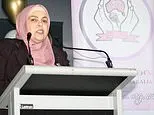
A 56-year-old woman, Nirmeen Noufl, has pleaded guilty to manslaughter over the killing of her husband Mamdouh Noufl, 62, and will not be tried for or convicted of his murder after prosecutors accepted the reduced plea. Noufl was accused of killing him during a physical altercation at their home in Greenacre, western Sydney, in May 2023, then dismembering his body and disposing of the remains across the city, which have never been found. The case highlights a fraught domestic situation, with court documents describing a marriage marked by abuse and a husband who had become engaged to another woman abroad while remaining married.
Noufl allegedly cut up her husband's body using kitchen knives and an electric drop saw, placing the remains in up to 30 rubbish bags dumped in bins around western Sydney suburbs. Prosecutors claim she later used his phone, social media and bank accounts to make it appear he was still alive, telling family he had travelled to Egypt, where court documents say he had a fiancée he was sending money to. Friends reported him missing in July 2023, two months after his death; Noufl, a mother of eight who had moved to Sydney from Egypt over 30 years ago, is due to be sentenced in September.
- Woman pleads guilty to manslaughter, avoids murder conviction over husband's death
- She allegedly dismembered his body; remains never recovered
- Faked his messages and finances for weeks before he was reported missing
New here? Start with this
Manslaughter and murder are different offences under Australian law. A manslaughter plea accepts responsibility for causing a death, but does not amount to a murder conviction; prosecutors and the accused can agree to a reduced plea, which a court must accept.
Nirmeen Noufl and her husband, Mamdouh, lived in Greenacre, in western Sydney. Court documents describe a marriage involving abuse and say Mamdouh had become engaged to another woman in Egypt while still married.
The case also concerns how a missing person investigation became a criminal case: Mamdouh was reported missing, and prosecutors say his accounts and phone were later used to make it seem he was still alive. His remains have not been found, leaving questions about recovery and evidence as the court considers the case.
Both sides, in good faith
The strongest fair case each way — we don't pick a winner.
The case for
The prosecution's acceptance of a manslaughter plea likely reflects the complex circumstances of this case. Court documents describe a marriage marked by abuse and a husband actively engaged to another woman whilst remaining married, suggesting domestic violence may have contributed to the fatal altercation. A guilty plea ensures a conviction and substantial sentence whilst avoiding the uncertainties of a murder trial and potentially re-traumatising witnesses and family members.
The case against
The calculated nature of the crime—systematic dismemberment using multiple tools, disposal of remains in up to 30 bags across the city, and subsequent elaborate deception using the husband's accounts to tell family he had travelled to Egypt—suggests deliberation and intent that constitute murder rather than manslaughter. The sophisticated cover-up was not the spontaneous action of someone overcome by emotion, but a sustained effort to evade accountability, which should warrant the most serious charge regardless of marital circumstances.
Full account
Nirmeen Noufl has pleaded guilty to the manslaughter of her husband, Mamdouh Noufl, ending a planned murder trial in the New South Wales Supreme Court. Prosecutors accepted the alternative plea after indicating they could not disprove her account of the fatal confrontation, meaning she will not be convicted of murder. A sentencing hearing is due to take place in September.
The death occurred at the couple’s Greenacre home in May 2023, following an argument. Court material describes Noufl as saying that her husband assaulted and choked her, leaving her fearing for her life, before she used a nearby implement to stab him once in the chest. The agreed facts also describe a 32-year marriage affected by allegations of domestic abuse, controlling behaviour and infidelity. Her husband had reportedly told her he intended to marry a woman in Egypt while remaining married to her.
In the two days after his death, Noufl dismembered Mr Noufl’s body and disposed of parts in rubbish bags placed in bins in several western Sydney suburbs, according to court material. His remains have not been found. Earlier reporting also alleged that, in the weeks afterwards, his phone, social-media accounts and bank accounts were used in a way that suggested he was still alive, while relatives and friends were told he had travelled to Egypt. He was reported missing in July 2023.
The case has drawn attention both because of the disposal of the body and because the prosecution accepted that the evidence did not allow it to exclude Noufl’s claimed fear for her safety. The court documents referred to her long-term treatment for depression and post-traumatic stress disorder, as well as injuries observed shortly after the death. Those matters will be relevant context at sentencing, but the court has yet to determine the penalty.
Where outlets differ
Source 1 foregrounds the alleged concealment after the death, including claimed use of Mr Noufl’s accounts and communications, and describes the disposal as involving up to 30 bags, kitchen knives and an electric drop saw.
Source 2 focuses more closely on Noufl’s account of the confrontation, the reported history of abuse, her mental-health treatment and the prosecution’s inability to disprove her version of events.
The reports give Noufl’s age differently: Source 1 says 56, while Source 2 says 55.