Science news and discussion on TalkFuse.
No elevated lead levels in drinking water following Iowa explosion, EPA finds
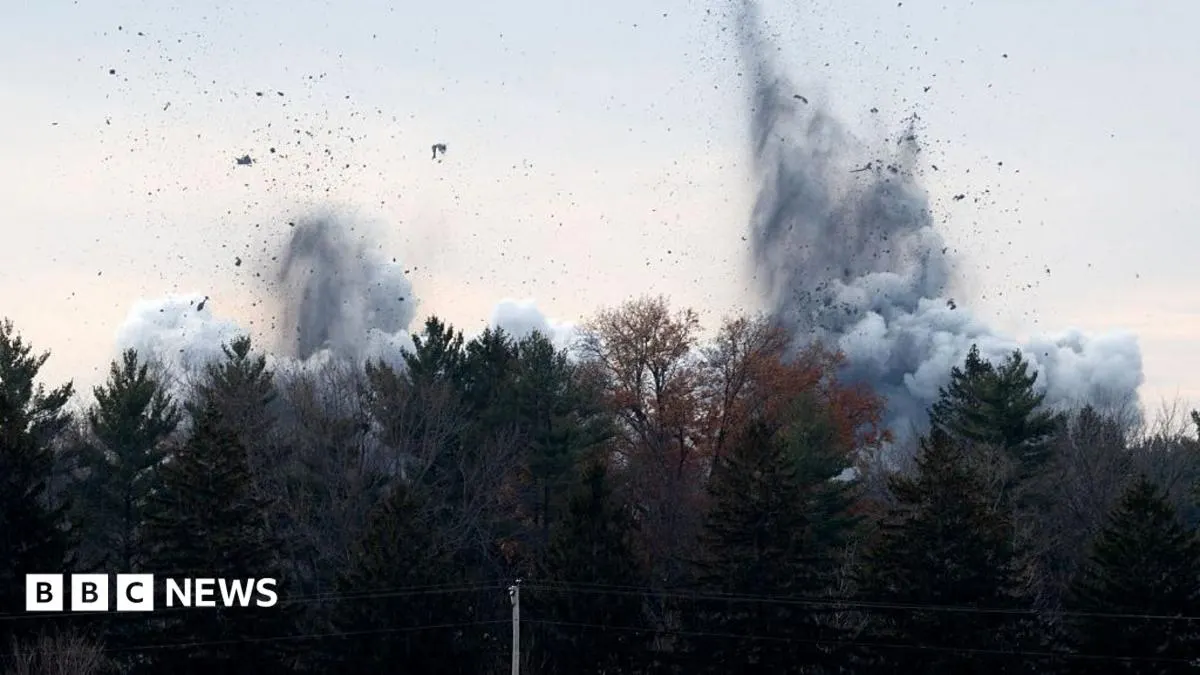
The Environmental Protection Agency (EPA) said there were no indications of elevated lead levels in local drinking water days after the US military detonated nearly five tonnes of toxic explosives in Iowa. The blast, which involved lead azide, a volatile compound reportedly at risk of exploding on its own, had prompted public concern and legal challenges over air and water pollution. The findings offer early reassurance to residents while further laboratory results are still being validated.
The EPA tested 38 samples from public water supplies after the 25 November detonation and found no lead. Before the blast, it sampled 35 drinking water sources across Iowa, Illinois and Missouri to set a baseline, and a team of 300 personnel and contractors collected samples over 30 hours. The explosives had been stored for around 20 years and had degraded, making them more vulnerable to accidental detonation. An appeals court cleared the way for the blast on Monday, and the Army later described the operation as a 'huge success'.
In short
- EPA found no lead in 38 public water samples after the blast
- Nearly five tonnes of lead azide detonated in Iowa on 25 November
- Over 3,200 air, soil, dust and water samples still being analysed