No laughing matter: Midwives win £750,000 after being exposed to nitrous oxide at hospital
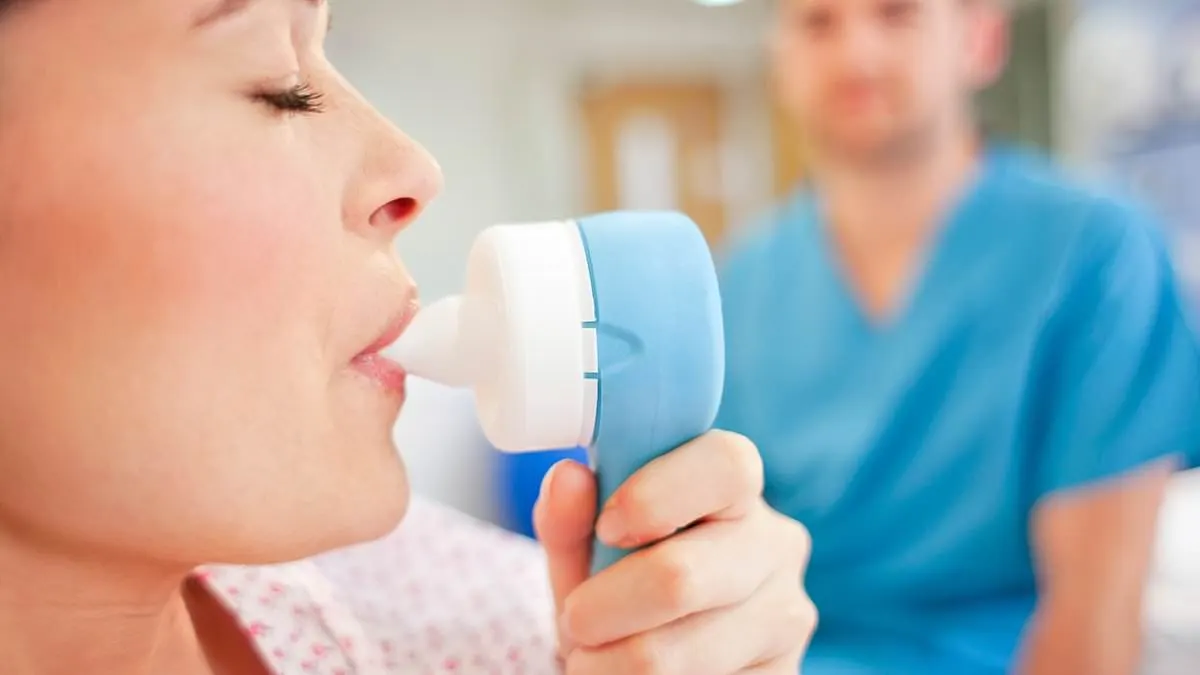
Over 120 midwives and maternity staff at Basildon University Hospital have been awarded almost £750,000 in compensation after being exposed to dangerous levels of nitrous oxide for two years. The exposure, caused by poor ventilation and leaking gas lines between 2021 and 2023, has prompted urgent calls for better safety standards and investment across NHS maternity units.
Staff reported symptoms including fatigue, headaches, brain fog and anxiety. An independent review found the NHS trust knew of the dangers in July 2021 but did not inform staff until 2022 and delayed introducing safety measures until October 2022. The Royal College of Midwives has hailed the settlement as a landmark case and is calling for urgent government investment to address failing ventilation systems and crumbling buildings in maternity services across the UK.
- Over 120 midwives awarded £750,000 in compensation for nitrous oxide exposure.
- NHS trust delayed warning staff about dangers for over a year, review found.
- RCM calls for urgent government investment in NHS maternity unit infrastructure.
New here? Start with this
Nitrous oxide, commonly known as laughing gas, is a pain relief medication widely used in maternity wards to help women manage labour. When properly ventilated, it is generally considered safe, but prolonged exposure at high levels can cause health problems including headaches, fatigue and cognitive difficulties. Healthcare workers in maternity units are at particular risk from extended exposure if their workplaces lack adequate ventilation systems.
Many NHS maternity departments operate in older buildings with aging infrastructure including ventilation and equipment requiring updating. Healthcare staff have raised concerns about the condition of these facilities and whether investment in maternity services keeps pace with current needs. Without adequate ventilation, gases used in childbirth including nitrous oxide can accumulate to harmful levels, exposing staff throughout their working shifts.
Basildon University Hospital in Essex operates a maternity service where infrastructure problems, particularly with ventilation systems, have affected staff safety. The condition of NHS maternity facilities more broadly has been a point of concern for healthcare workers and medical organisations. The situation at Basildon has highlighted concerns about the state of NHS maternity facilities and the resources available to them.
Both sides, in good faith
The strongest fair case each way — we don't pick a winner.
The case for
This case demonstrates documented systemic vulnerabilities across NHS maternity infrastructure, with workers suffering genuine health harm from preventable exposure. The RCM's identification of widespread ventilation and building failures across multiple units indicates this is not an isolated incident. Urgent, substantial government investment in maternity infrastructure is both ethically justified as redress for past harms and practically necessary to protect workers and patients from preventable health risks.
The case against
Whilst the Basildon incident was serious and compensation appropriate, NHS decision-making must balance multiple pressing needs with finite resources. A measured, evidence-based approach—targeting investment to demonstrably worst-affected facilities rather than system-wide overhauls—may achieve better outcomes. Given competing priorities across acute care, mental health, and social care, investment in maternity infrastructure should be carefully assessed against the urgency and scope of safety issues across other NHS services.