Science news and discussion on TalkFuse.
Noah’s Ark archaeologists discover ‘manmade Turkish mound’ dating to time of Biblical flood
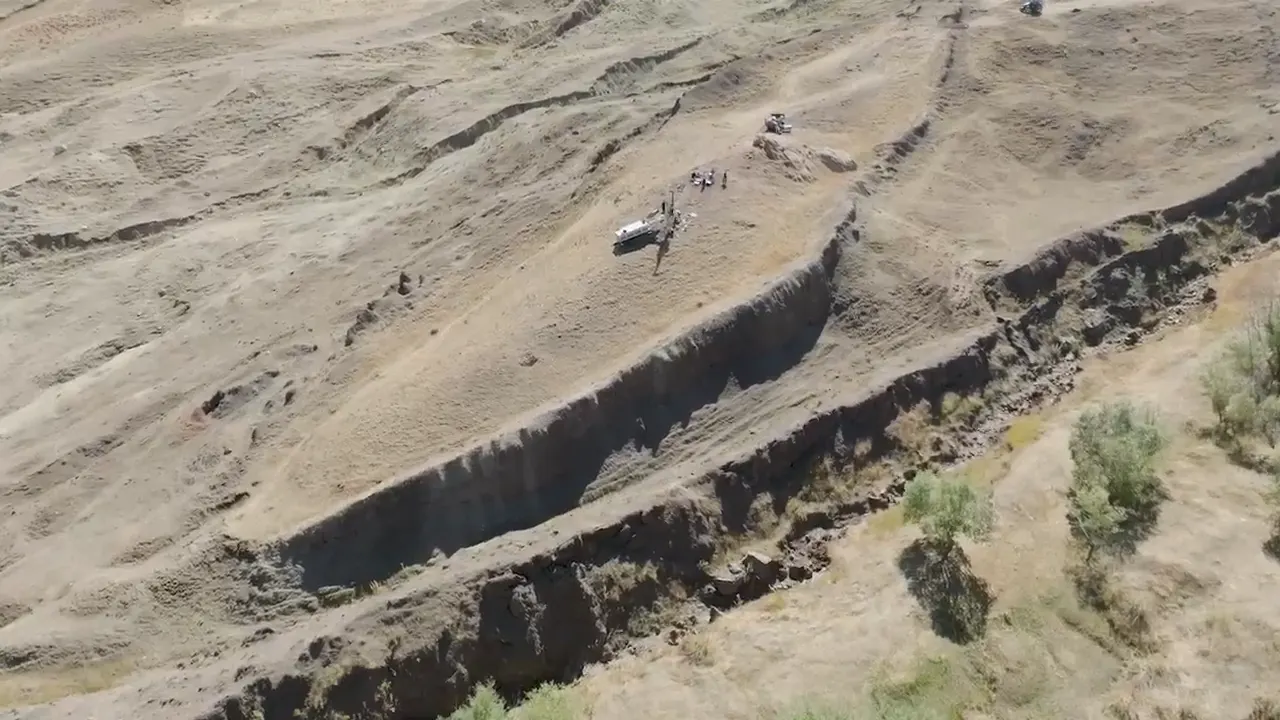
Researchers investigating the boat-shaped Durupınar formation in eastern Turkey say they have found charred wood fragments dating to about 4,300 years ago. The dates overlap with some traditional biblical timelines for Noah’s Flood, but they do not establish that a worldwide flood occurred or that the site is Noah’s Ark.
Two fragments were recovered from depths of more than 30 feet: one most likely dates to 2410–2269 BC, while the other has an 82 per cent likelihood of dating to 2349–2193 BC. Radiocarbon dating estimates when the wood grew, not when it was worked or buried, and the researchers’ claims of human shaping and radar-detected chambers remain interpretations rather than proof of an Ark.
In short
- Turkish researchers dated two wood fragments to about 4,300 years ago.
- The dates overlap with some traditional biblical Flood timelines.
- The findings do not prove the site is Noah’s Ark.
Steelman: both sides, in good faith
The strongest fair case each way — we don't pick a winner.
The case for
Supporters may argue that the charred wood fragments, their depth and the formation’s boat-like shape justify further investigation. Their dates overlap with some traditional biblical chronologies, and if independent studies confirm that the material was worked or placed there by people, the site could offer evidence of ancient human activity worth exploring, even if it does not prove the Ark story.
The case against
Sceptics may argue that radiocarbon dates show when the trees grew, not when the wood was shaped or buried, and the reported dates alone do not connect the fragments to a flood. The claims of human shaping and radar-detected chambers remain interpretations, while a boat-like formation and biblical date overlap cannot establish that the site is an ark or that a worldwide flood occurred.