North Sea oil industry urges Burnham to approve new drilling in UK waters
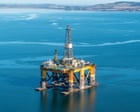
The UK's North Sea oil and gas industry has appealed to Andy Burnham, expected to become Britain's next prime minister within days, urging him to approve further offshore drilling as part of his agenda to tackle deindustrialisation. Industry group Offshore Energies UK (OEUK), joined by more than ten related business bodies and the GMB union, wrote to over 400 Labour MPs arguing that an "all-energy approach" combining fossil fuels with lower-carbon sources would make the energy transition stronger and fairer, while supporting manufacturing jobs and skills.
The letter comes as the fate of two major projects, Rosebank and Jackdaw, remains undecided under energy secretary Ed Miliband, who has previously called Rosebank "climate vandalism" but is reportedly now willing to approve Jackdaw to bolster his own leadership credentials. Both projects were licensed under the previous government, meaning approval would not breach Labour's manifesto pledge against new exploration licences. Jackdaw could supply gas to British homes as early as this winter, while Rosebank would take longer to develop and would mainly produce oil for export to European refineries. OEUK argues the choice is not whether Britain uses oil and gas but whether it produces more domestically rather than relying on imports, a view echoed by the Chemical Industries Association, while campaign group Uplift opposes further drilling.
In short
- Oil industry lobbies incoming PM Andy Burnham to approve North Sea drilling
- Rosebank and Jackdaw project approvals remain undecided under Ed Miliband
- Miliband reportedly now open to approving Jackdaw gas project
Steelman: both sides, in good faith
The strongest fair case each way — we don't pick a winner.
The case for
Domestic production provides superior energy security compared to reliance on imports, since Britain will require oil and gas during the energy transition. Extracting these resources from well-regulated UK fields rather than importing from countries with lower environmental standards represents a pragmatic policy approach. Supporting these projects maintains skilled employment in dependent communities and provides immediate energy security as renewable capacity develops. These projects were previously licensed, so approval does not breach Labour's manifesto pledge against new exploration licences.
The case against
Further drilling contradicts Britain's climate commitments and represents poor strategic prioritisation. Approving additional fossil fuel extraction delays genuine energy transition and diverts resources from renewable infrastructure, which would deliver superior long-term security without climate damage. The reversal on Rosebank—previously termed 'climate vandalism' by the Energy Secretary—suggests economic and employment concerns are outweighing environmental commitments in policy-making.
Explained simply
Andy Burnham is expected to become the UK's next prime minister within days. His government will need to make decisions about energy policy, including whether to approve new North Sea oil and gas drilling.
The North Sea oil and gas industry has been important to British manufacturing and employment for decades. However, the sector now faces pressure as the UK aims to transition towards cleaner energy sources and reduce carbon emissions.
Two major oil and gas projects, Rosebank and Jackdaw, are pending government approval. The industry argues this would support jobs and reduce reliance on imported energy, whilst some contend that further fossil fuel development conflicts with climate objectives.
Business Government Politics UK World