World news and discussion on TalkFuse.
‘Not Even Remotely Conservative’: Trump Admin Unveils Four-Year Plan To Sell Off And Shrink America’s Public Lands
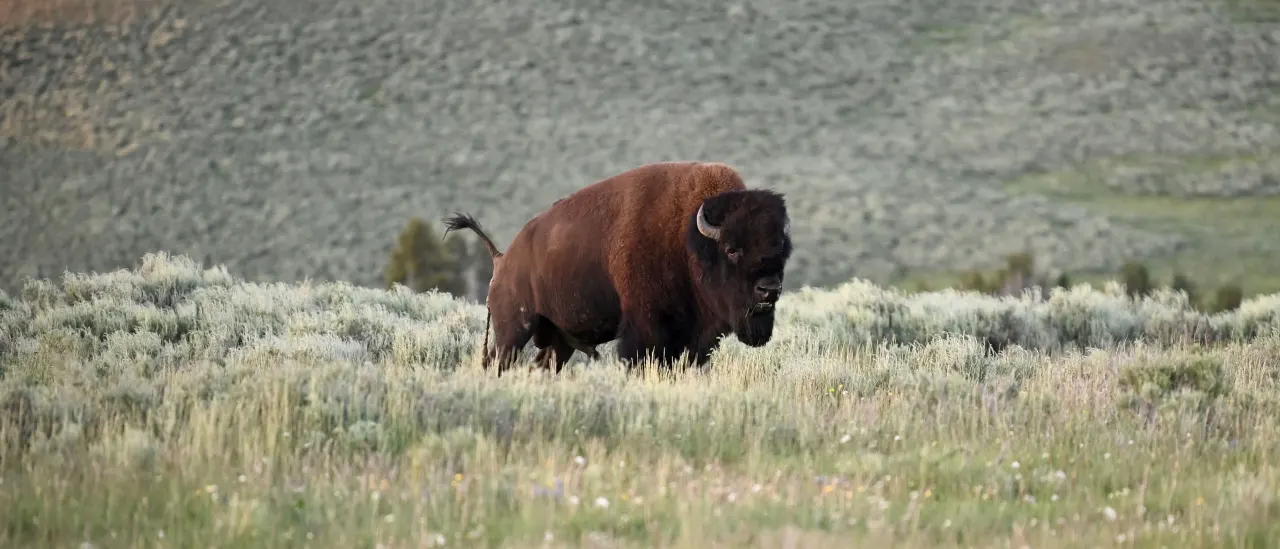
The Department of the Interior’s four-year plan proposes reducing the federal public estate by offering some federal lands for purchase by states, local authorities and Tribes. It says sales would help the department focus on nationally significant lands and reduce the cost to taxpayers, while proceeds would support conservation elsewhere.
The plan also presents public lands as a resource for economic growth, proposing land transfers, exchanges and rights-of-way to support energy, mining, grazing, timber and agriculture. A conservative conservation group criticised the approach, warning that sold lands could be lost along with their recreational and environmental benefits. The plan’s introduction promotes using artificial intelligence in government, while the article reports that Interior Secretary Doug Burgum has investments in AI-related companies. Polling cited in the article found 71% oppose selling public lands to the highest bidder, including 61% of Trump voters.
In short
- Interior proposes offering some federal lands for purchase.
- The plan supports land access for energy and other industries.
- Polling cited shows broad opposition to selling public lands.
Steelman: both sides, in good faith
The strongest fair case each way — we don't pick a winner.
The case for
Supporters could argue that federal ownership is not always the best way to manage every parcel, and that transfers or sales to states, local authorities or Tribes could make responsibility clearer and reduce long-term costs to taxpayers. They may also see carefully chosen land exchanges and rights-of-way as a way to support jobs and energy, mining, agriculture and other uses, while directing sale proceeds towards conservation of more nationally significant lands.
The case against
Opponents could argue that public lands carry shared recreational, cultural and environmental value that may be difficult to restore once land is sold, and that future access or protections could depend on the new owner. They may question whether proceeds would reliably replace those benefits or fund conservation elsewhere, and favour retaining federal ownership so decisions about these lands remain accountable to the public over time.
Explained simply
America’s public lands are areas owned by the federal government, including national parks, forests and other landscapes. The Department of the Interior manages many of them, while states, local authorities and Native American Tribes have different roles in managing land.
The debate is about what these lands should be used for and who should own them. They support activities such as recreation, conservation and grazing, as well as energy and mining; proposals to transfer or sell land can affect access and how it is managed.
The Interior Department is led by the interior secretary, a role held by Doug Burgum. Public land policy matters because decisions about ownership and use can shape conservation, local economies and public access for years.