World news and discussion on TalkFuse.
Notorious family court judge charged with improper conduct after he shamed mother who was trying to get her child back
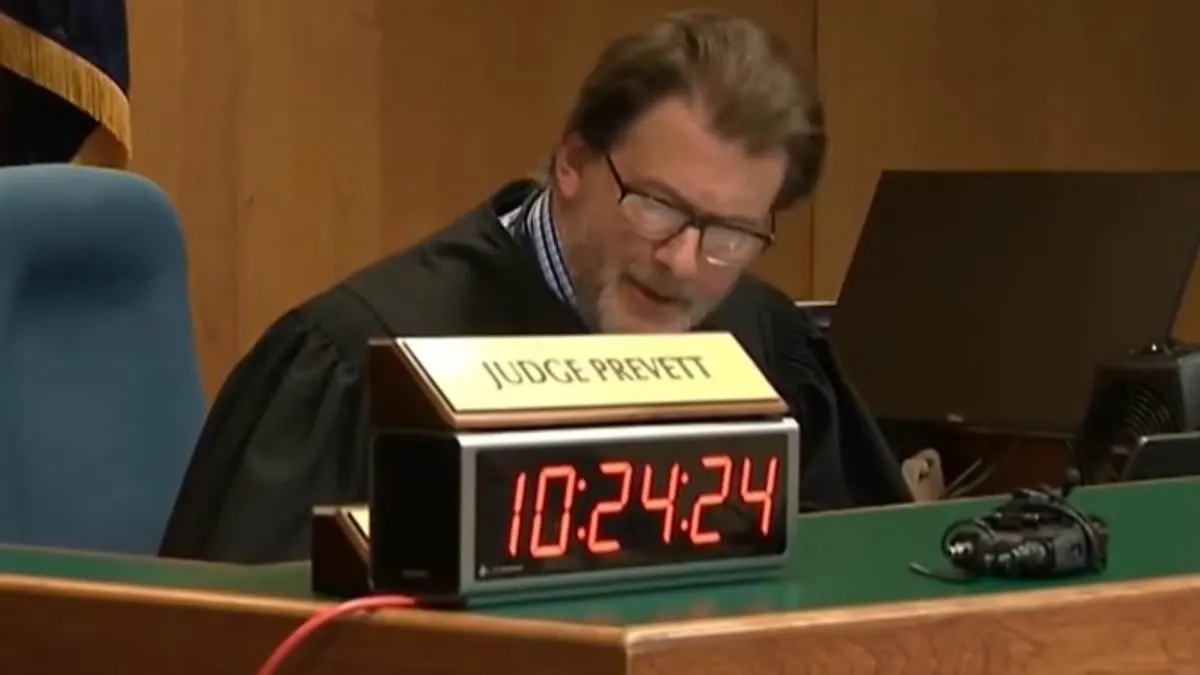
New Hampshire family court judge Todd Prevett has been charged with violating six judicial conduct rules over his handling of a mother’s bid to restore her parental rights. The allegations matter because the state Supreme Court had already overturned his ruling and ordered the case to be heard by another judge, citing concerns about perceived bias.
The Judicial Conduct Committee says Prevett relied on five criminal cases from more than a decade earlier that were not presented as evidence at the hearing, and criticised the mother’s demeanour and her return after a ten-year absence. The committee alleges he showed hostility and failed to act fairly and impartially. Prevett had until 15 November to respond; the article does not say whether he did. He was reprimanded in 2024 after admitting to seeking special access to a courthouse for his own guardianship case.
In short
- Judge Todd Prevett faces six judicial conduct charges.
- His ruling in a parental-rights case was overturned.
- The committee alleges bias and unfair treatment of the mother.
Steelman: both sides, in good faith
The strongest fair case each way — we don't pick a winner.
The case for
The allegations, if substantiated, raise serious concerns about fairness: a judge should decide a parent’s rights using evidence properly before the court and avoid remarks that could suggest hostility or bias. The Supreme Court’s decision to overturn the ruling and send the case to another judge adds weight to the need for scrutiny and public confidence in impartial family courts.
The case against
A charge is an allegation, not a finding, and Prevett should have a fair opportunity to answer the committee’s claims before conclusions are drawn. The account does not include his response or the full hearing record, so the older criminal cases and comments about the mother’s demeanour may have had context relevant to the decision, even if their use or presentation is now being challenged.
Explained simply
Family courts decide questions about children’s care and whether parents can regain legal rights. Judges are expected to consider the evidence presented in each case and to treat the people involved fairly.
In New Hampshire, the state Supreme Court can review family court decisions and send a case to a different judge if it has concerns about how it was handled. The Judicial Conduct Committee examines complaints about judges’ behaviour; its proceedings are separate from the court’s decision on a family’s case.
The issue matters because a judge’s impartiality affects confidence in decisions with lasting consequences for children and parents. A prior reprimand of Judge Todd Prevett concerned his conduct in a separate guardianship matter.