NVIDIA’s RTX Spark is good for Windows, even if you don’t need local AI
Developing story first seen 2 hours ago
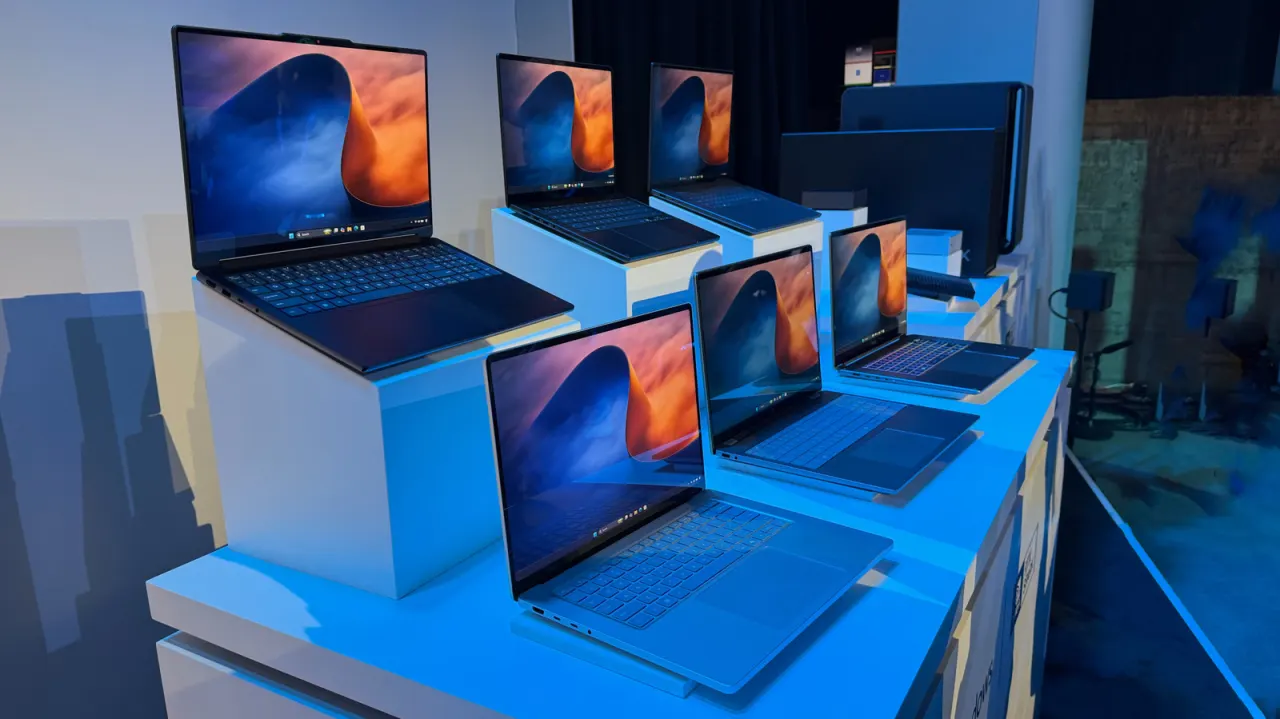
NVIDIA’s RTX Spark chip could give Windows PCs the kind of efficient, high-performance Arm hardware that has helped reshape Apple’s Mac line-up. It combines an Arm processor, a powerful Blackwell graphics unit and shared memory on one chip, with the potential to make thin laptops and small desktops better suited to demanding work.
The top configuration has 20 CPU cores, 6,144 GPU cores and up to 128GB of unified memory; a lower-tier version has 18 CPU cores and 5,120 GPU cores. NVIDIA claims it is twice as efficient as a laptop with an Intel Core Ultra 9 285H and RTX 5070 while gaming at 60 watts, and says performance can hold up on battery. The article also highlights local AI as a possible use, though it argues the chip could matter for portable creative work and gaming even if local AI does not take off.
- RTX Spark brings powerful Arm and Blackwell hardware to Windows PCs.
- The top model offers up to 128GB of unified memory.
- Better efficiency could help performance stay strong on battery.
New here? Start with this
Windows PCs have traditionally used processors from companies such as Intel and AMD, while Apple designs Arm-based chips for its Macs. Arm chips can combine computing power with lower energy use, which can help laptops run longer and stay cool in slim designs.
NVIDIA makes graphics processors used for gaming and other demanding tasks. Its proposed RTX Spark combines an Arm processor, graphics hardware and shared memory on one chip, a design intended to support both portable computers and small desktops.
The chip could matter to people who want to play games or do creative work on a compact computer without relying on a large, power-hungry machine. Its performance and battery efficiency will depend on how the hardware works in finished PCs and how well software supports it.
Both sides, in good faith
The strongest fair case each way — we don't pick a winner.
The case for
RTX Spark could give Windows makers a more efficient Arm platform with strong graphics and shared memory, enabling thinner laptops and smaller desktops to handle creative work and games while drawing less power. Even if local AI remains a niche use, that combination could broaden the choice of capable portable PCs and encourage competition in a market shaped by Apple’s integrated chips.
The case against
The case for its importance rests partly on NVIDIA’s performance and efficiency claims, which will need to be borne out in real products and independent testing. Arm compatibility, software support, pricing, battery life and availability will shape whether it offers a practical alternative to existing Windows PCs; without clear advantages on those fronts, its promise may matter more to a limited set of demanding users than to Windows buyers generally.
Full account
NVIDIA’s RTX Spark platform could give Windows laptops a more efficient, high-performance option, even for people who have little interest in running AI locally. The first systems combine an Arm processor and Blackwell graphics on one chip, with up to 128GB of shared memory. That design is intended to support demanding creative work, gaming and local AI in portable machines, and could bring some of the advantages long associated with Apple’s integrated chips to higher-end Windows PCs.
The platform is a notable shift from the usual mix of an Intel or AMD processor and a separate graphics card. NVIDIA’s top configuration has 20 Grace CPU cores and 6,144 CUDA cores; a lower specification has 18 CPU cores and 5,120 CUDA cores. Both include Blackwell features such as tensor and ray-tracing cores, alongside video encoding and decoding capabilities. NVIDIA says an RTX Spark laptop can be twice as efficient as a system with an Intel Core Ultra 9 285H and RTX 5070 while gaming at 60 watts. That is a company comparison, and dedicated graphics systems can draw more power to deliver higher performance.
For buyers, the practical case may be strongest when portability and battery use matter. Someone who mostly works at a desk and can keep a conventional laptop plugged in may gain less: a separate graphics processor can use more energy but may also offer greater peak performance. The integrated approach could appeal to people editing video, creating other media or playing games away from a socket, whether or not they ever install an AI model.
AI remains central to NVIDIA and Microsoft’s pitch. Microsoft says Windows will offer a guided setup for supported agents, with installation and updates handled through the Store. Hermes, Perplexity and OpenClaw are named as launch options. One reporter found Hermes straightforward to install but needed to remove and reinstall OpenClaw after a gateway setup problem. They also noted that local models can respond more slowly than cloud services, suggesting that some jobs may suit background or overnight processing better than quick exchanges.
The move also depends on Windows on Arm working well with familiar software. RTX Spark systems use Microsoft’s Prism emulator for applications without native Arm versions, while Microsoft says it has been optimising the platform for ordinary laptop tasks. The reports describe considerable preparation behind the launch, but the available accounts do not establish how broadly applications will perform or how the systems will compare in independent testing. Their broader point is that the platform could matter beyond AI: it adds a high-end Arm-based option to Windows, complementing Qualcomm chips aimed at less expensive and mid-range machines.
Where outlets differ
The first report chiefly frames RTX Spark as Windows’ response to Apple Silicon and stresses efficiency, creative work and gaming, including NVIDIA’s power comparison. The second focuses on Windows’ local-agent setup, early installation experience and software compatibility through Prism emulation.
The first report describes Microsoft and NVIDIA events and hardware specifications; the second gives more detail about the supported agents and includes the reporter’s mixed experience setting them up. The source material supplied here ends part-way through the second report’s discussion of emulation, so it does not provide its full account of compatibility.