NYC socialist candidate says criminal record of man shot by ICE ‘doesn’t even matter’
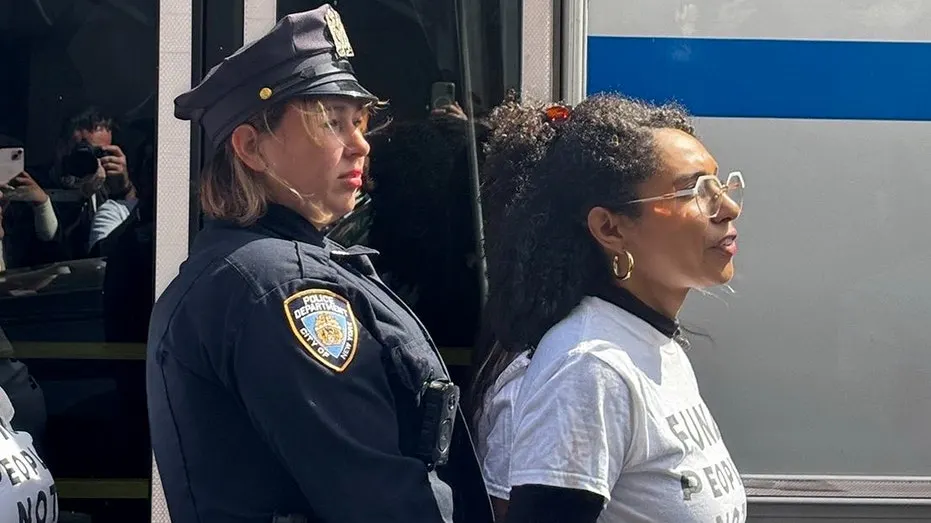
New York congressional candidate Darializa Avila Chevalier said the criminal record of Oscar Belgal, a man wounded by an ICE officer, “doesn’t even matter”. Speaking to streamer Hasan Piker, she criticised officials for discussing his past and said New York Police Commissioner Jessica Tisch had tried to villainise him rather than condemn the shooting. The remarks have drawn criticism from Republicans and renewed political debate over how authorities describe the incident.
Belgal, a 28-year-old Dominican Republic national, was shot during an operation to arrest him. Tisch said he moved his vehicle forward before an officer fired seven rounds, hitting him below the left ear; she cited prior arrests for robbery and drug dealing. The Department of Homeland Security says Belgal is in the US illegally, has a grand larceny conviction and prior arrests including for assault, robbery, drug and weapons possession, and has ties to the Trinitarios gang. DHS said he did not follow lawful orders, while Chevalier and Piker argued that his record did not justify the use of force.
- Chevalier said Belgal’s criminal record did not matter.
- Belgal was shot during an ICE arrest operation.
- The remarks prompted political criticism and debate.
New here? Start with this
Immigration and Customs Enforcement (ICE) is a US agency that enforces immigration law, including by arresting people suspected of being in the country unlawfully. Its officers may work alongside local police, whose officials can give their own accounts of an operation. Darializa Avila Chevalier is a New York congressional candidate; Jessica Tisch is the city’s police commissioner.
Oscar Belgal, a Dominican Republic national, was shot by an ICE officer during an attempt to arrest him. Authorities have cited his past arrests and convictions, while Chevalier and streamer Hasan Piker have argued that his record does not determine whether the officer’s use of force was justified.
The dispute matters because it raises questions about how officials describe people involved in police operations and how that can shape public discussion of the use of force. The circumstances of the shooting and the relevance of Belgal’s criminal history are central to that debate.
Both sides, in good faith
The strongest fair case each way — we don't pick a winner.
The case for
Chevalier’s point is that a person’s past convictions or alleged gang ties do not settle whether an officer’s decision to shoot was necessary and proportionate in that moment. Emphasising his record before the facts of the encounter are fully assessed risks prejudicing public judgment and shifting attention from scrutiny of the use of force.
The case against
Authorities can reasonably argue that Belgal’s record and the circumstances of the arrest are relevant to understanding the operation and the risks officers faced, though they do not by themselves justify the shooting. If he moved his vehicle forward or failed to follow lawful orders, those details matter to assessing the officer’s split-second decision, and officials may see public safety as requiring a full account of them.