Politics news and discussion on TalkFuse.
Obama-era homeless policy fueled crisis it promised to end, expert says as Trump admin makes striking reversal
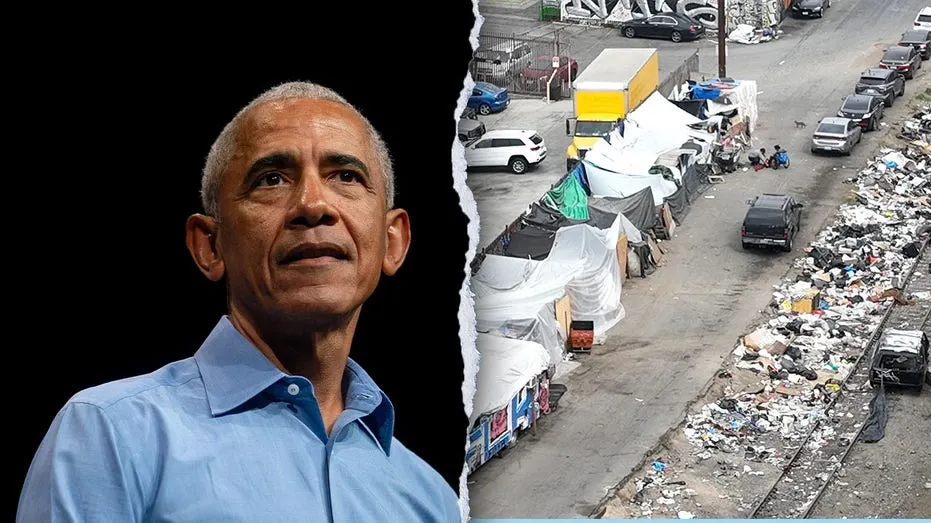
The Trump administration has moved to permanently cut federal funding to the Los Angeles Homeless Services Authority (LAHSA), ending its role in administering those funds. Homeless services veteran Michele Steeb says the decision reverses the Obama-era Housing First approach, which she argues failed to reduce homelessness and lacked accountability; funding is due to transfer to Los Angeles County.
Steeb says Housing First provides housing without requiring sobriety or mental health treatment, and can leave people in subsidised homes indefinitely. She cites a nearly 35% rise in the national homeless population in the decade after the policy was introduced, a 40% increase in California between 2016 and 2025 alongside at least 200% higher federal spending, and a 60% to 70% rise in Los Angeles over five years despite LAHSA receiving more than $1 billion in federal funds. These figures and criticisms are attributed to Steeb; she is cautiously hopeful about the county taking over, while acknowledging it has its own problems.
In short
- HUD is ending federal funding to LAHSA.
- Michele Steeb blames Housing First for rising homelessness.
- Los Angeles County is set to take over the funds.
Steelman: both sides, in good faith
The strongest fair case each way — we don't pick a winner.
The case for
Critics of Housing First argue that providing housing without requiring treatment or sobriety can leave serious underlying needs unmet, while long stays in subsidised homes may limit help available to others. They point to rising homelessness despite increased spending as reason to question LAHSA’s accountability and try a different administrator, while recognising those figures alone do not establish what caused the increases.
The case against
Supporters argue that stable housing is often a necessary foundation for addressing health, addiction and other challenges, and that making treatment a condition of housing can exclude people least able to navigate services. They would caution that homelessness trends reflect many pressures and do not by themselves show Housing First caused the rise; transferring funds to the county may change administration without ensuring better outcomes.
Explained simply
Housing First is an approach to homelessness policy that aims to provide people with housing without first requiring them to stop using drugs or alcohol or take part in mental health treatment. The federal government has supported this approach, and Los Angeles Homeless Services Authority (LAHSA) has administered federal funding for services in the city.
The Trump administration plans to end LAHSA’s role in distributing that federal money and transfer the funding to Los Angeles County. Michele Steeb, a veteran of homeless services, supports the change and argues that Housing First has not reduced homelessness and has lacked accountability.
The debate is over how best to help people experiencing homelessness and how to judge whether public spending is working. Steeb cites increases in homelessness alongside higher funding, though those figures and criticisms are hers; the county’s ability to manage the money is also in question.