Okurimono review – a heartbreaking dispatch from survivors of the Nagasaki bomb
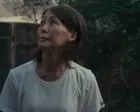
Laurence Lévesque's documentary Okurimono follows Noriko, a woman in her 60s, as she uncovers her late mother's hidden past as a hibakusha, a survivor of the atomic bombing of Nagasaki in 1945. Clearing out her family's home after her parents' deaths, she finds letters revealing not only her mother's private trauma but also a wider network of mutual support among survivors and bereaved families, a history her mother had largely kept from her children. The film matters as a rare, intimate record of the bomb's long psychological legacy, capturing testimony from a generation of survivors who are ageing and, in many cases, still reluctant to speak openly.
The letters expose the severe stigma hibakusha faced after the war, with many excluded from employment or marriage because of their status, which likely explains why Noriko's mother stayed silent. One particularly harrowing note describes a mother who sent her healthy son to war only to have his hair and clipped nails returned to her. Interviewed survivors show varying recall of the bombing, and many still refuse to register their names at Nagasaki's memorial centre for fear of stigmatising their descendants. The letters Noriko discovers, the film suggests, form an "okurimono" (gift) linking past and present. Okurimono is released on the streaming platform True Story from 11 September.
In short
- Documentary Okurimono traces a woman's discovery of her late mother's hibakusha past.
- Letters reveal hidden support networks and trauma among Nagasaki bomb survivors.
- Stigma still deters some survivors from registering at the memorial centre.
Explained simply
The atomic bombing of Nagasaki in August 1945 killed tens of thousands of people, and many survivors lived with lasting physical and emotional effects. In Japan, survivors are known as hibakusha. After the war, some faced discrimination in work and marriage because others feared the effects of radiation.
Okurimono follows Noriko as she learns about her mother’s experience through letters found after her parents’ deaths. The letters also reveal how survivors and bereaved families supported one another, while many kept their experiences private, sometimes to protect their children from stigma.
The film records memories from an ageing generation, including people who remain reluctant to share their names publicly. Their accounts show how the bombing shaped family life and communities long after the war ended.